
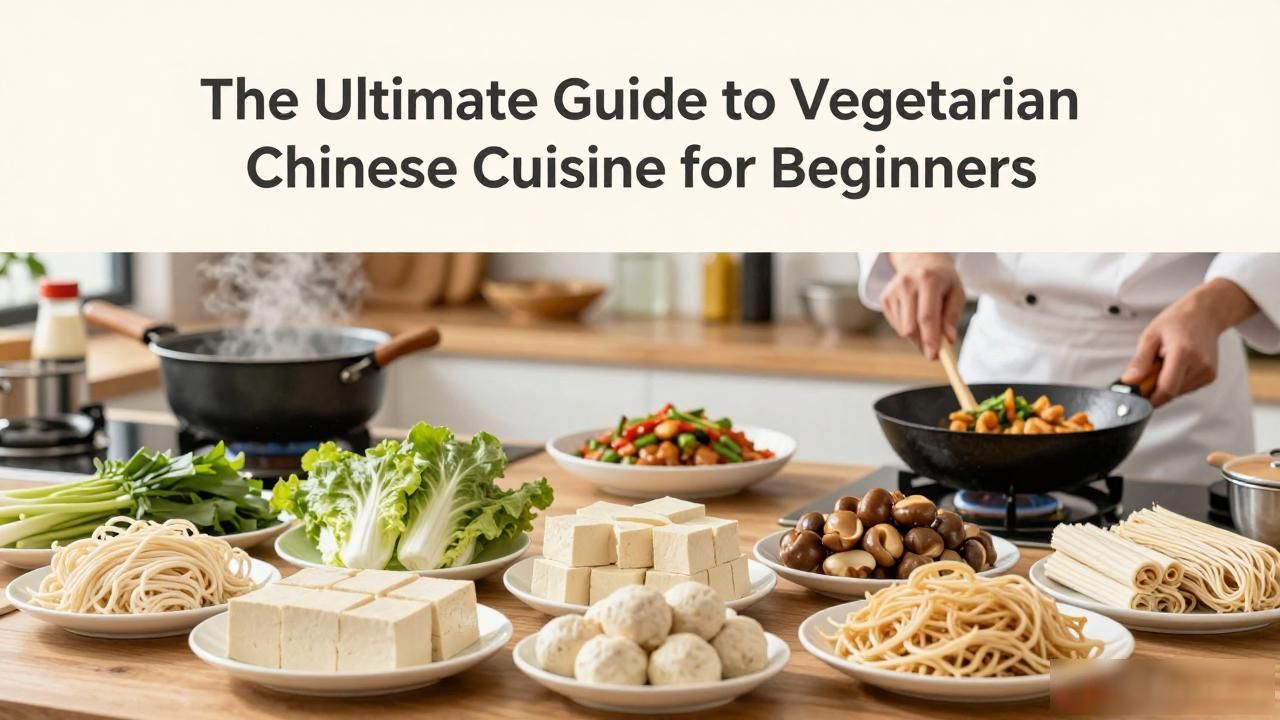
Chinese food is often misunderstood as meat-heavy, but the truth is far more vibrant and complex. Vegetarian Chinese cuisine offers a world of umami-rich flavors, textural contrasts, and ancient culinary wisdom that transcends simple salad bowls. For those seeking plant-based options that are both authentic and satisfying, understanding the nuances of this diet is key. It is not just about omitting pork; it is about embracing the philosophy of balance and harmony in every bite.
What makes vegetarian Chinese food unique?

Unlike Western vegetarianism which might rely heavily on vegetables and grains, Chinese vegetarian cooking utilizes a sophisticated palette of ingredients to create depth. Tofu, tempeh, and seitan serve as the protein anchors, but they are transformed through techniques like braising, stir-frying, and steaming. The use of mushrooms, particularly shiitake and wood ear, provides a savory note that mimics the richness of meat. This approach ensures that meals are hearty and flavorful, challenging the stereotype that plant-based eating lacks substance.
Moreover, the integration of traditional herbs and spices plays a crucial role in defining the character of these dishes. Ginger, garlic, scallions, and Sichuan peppercorns are staples that add layers of aroma and heat. Fermented bean pastes and soy sauces contribute salty, sweet, and tangy elements that bind the dish together. This complexity allows diners to experience a wide spectrum of tastes within a single meal, making vegetarian Chinese cuisine a delightful exploration for the senses rather than a compromise.
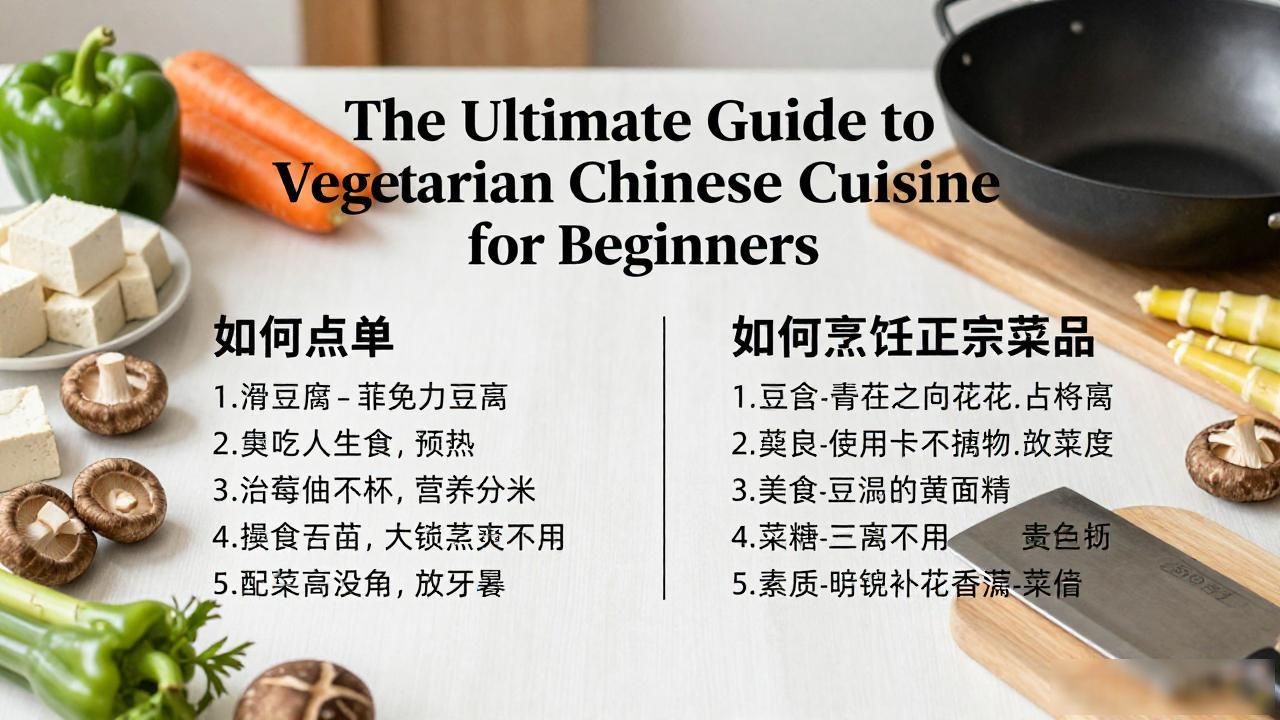
How to order or cook authentic dishes?
Navigating a menu can be tricky because some dishes labeled “vegetarian” may contain oyster sauce or chicken stock. It is essential to specify no meat broths and to ask for mushroom-based seasonings instead. Dishes like Mapo Tofu can be made with a spicy chili bean sauce without the minced pork, while Kung Pao Tofu offers a nutty, spicy kick. Understanding these substitutions ensures that you enjoy the intended flavor profile without unexpected animal products.
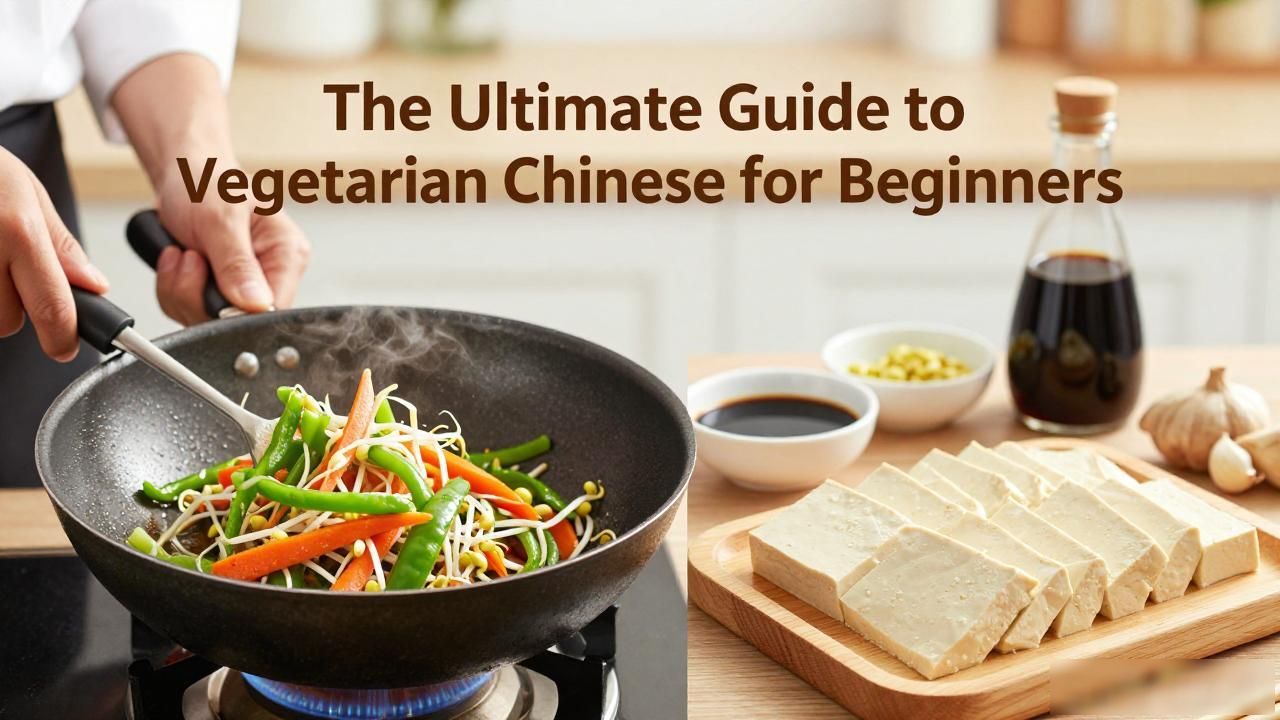
Cooking at home requires a focus on technique and ingredient quality. Stir-frying over high heat locks in nutrients and creates a desirable char, enhancing the natural sweetness of vegetables. Marinating tofu before cooking allows it to absorb sauces deeply, turning a bland ingredient into a star. By mastering these basic methods,anyone can recreate restaurant-quality meals. The result is a healthy, delicious, and culturally rich dining experience that respects tradition while accommodating modern dietary choices.