
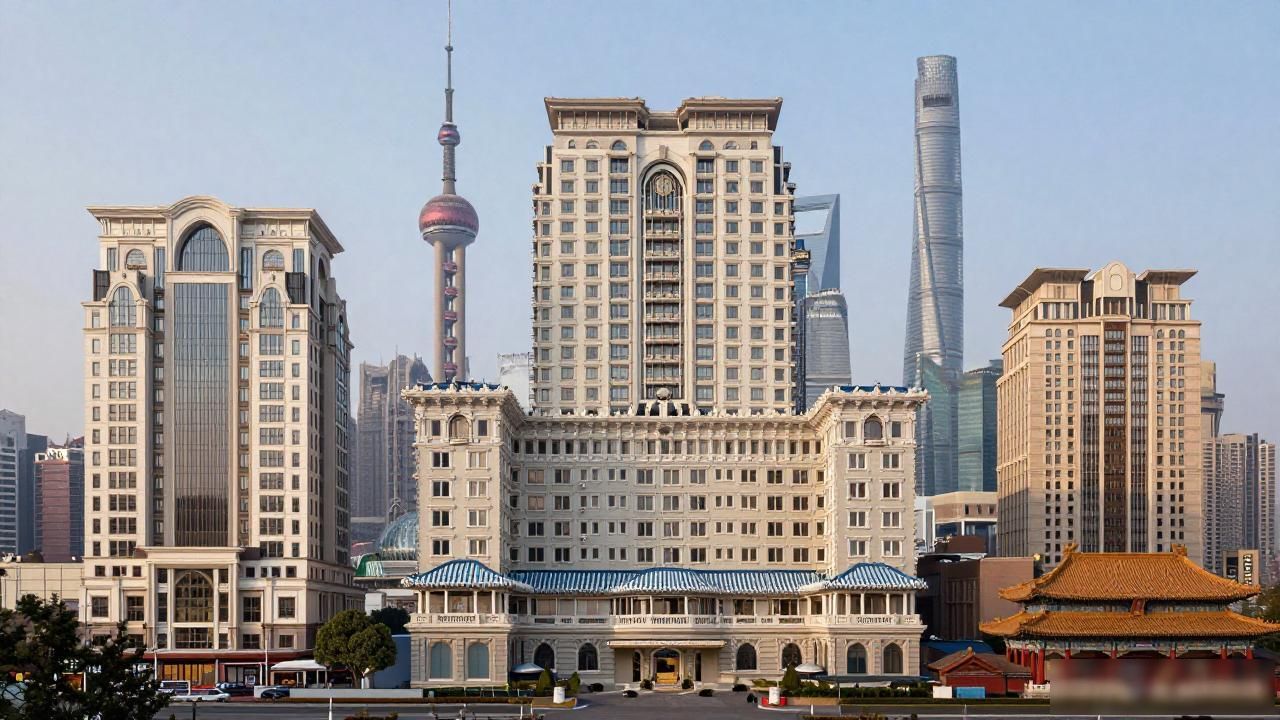
China‘s luxury hotel landscape has evolved dramatically over the past decade. Once known primarily for international chains like Ritz-Carlton and Mandarin Oriental, the country now boasts a thriving mix of homegrown luxury brands and stunning design hotels that cater specifically to international travelers seeking authenticity alongside comfort.
Best Luxury Hotels in China to Visit

Shanghai leads the pack with properties like the Peninsula and the Waldorf Astoria perched above the Bund skyline. Beijing offers equally impressive options near the Forbidden City, including the Four Seasons and the Capella. Travelers often underestimate how much variety exists beyond these two cities. Hangzhou’s Aman at Fangche Hill sits beside West Lake in a converted manor. Chengdu’s Park Hyatt delivers sophisticated Sichuan design. Even smaller destinations like Xiamen and Qingdao now feature world-class accommodations that rival anything found in Europe.
The new wave of Chinese luxury brands deserves attention. Nuoyuan, Banyan Tree, and Aman’s Chinese operations have all made significant pushes into tier-one and tier-two cities. These properties blend local architectural traditions with contemporary design sensibilities. Many feature rooftop bars, spa facilities, and dining options that showcase regional cuisine at an exceptional level.
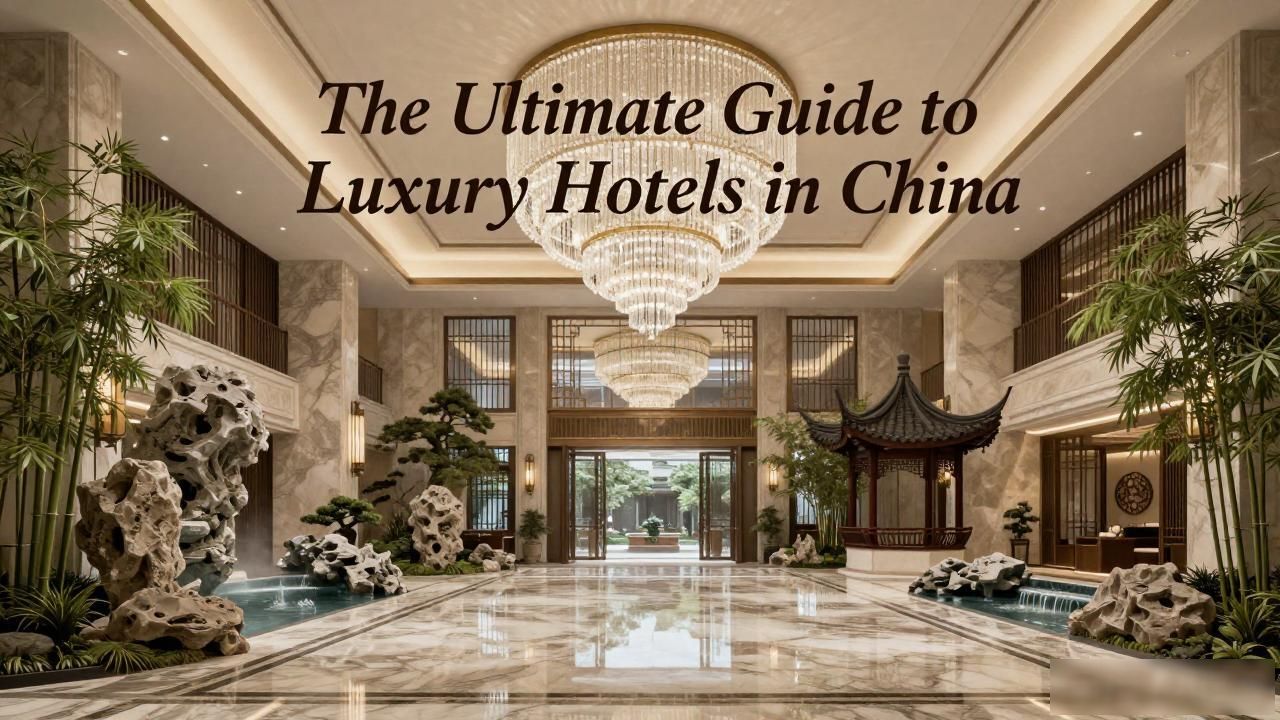
Are Luxury Hotels in China Worth the Price
The answer depends entirely on what you value most. International chain properties maintain consistent standards that many travelers find reassuring. Room service arrives promptly, English is spoken fluently by staff,and breakfast buffets feature familiar options alongside local dishes. These predictable qualities justify higher nightly rates for business travelers and families concerned about comfort during extended stays.
Boutique and design hotels offer a different proposition. They charge premium prices but deliver unique experiences that no two-night chain stay can replicate. Think private tea ceremonies in courtyard gardens, curated art collections, and restaurants where Michelin-starred chefs prepare century-old family recipes. For leisure travelers with time to spare, these properties transform accommodation into the destination itself.
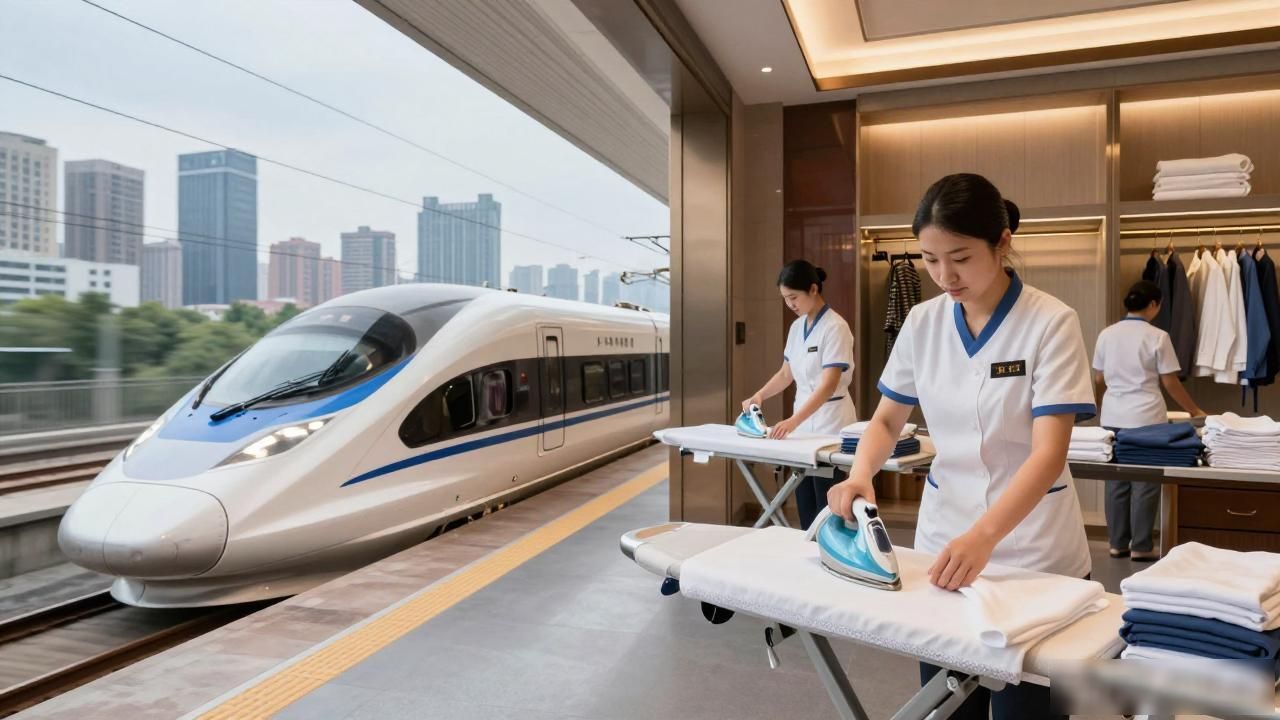
China’s vast geography means travel distances between major hotel hubs can be substantial. Be prepared for four-hour bullet train rides or short domestic flights between cities. Packing light becomes essential, though most luxury properties offer excellent laundry services at reasonable rates.
Visiting during shoulder seasons—April to May or September to October—yields better availability and occasionally lower rates. Winter months bring cold temperatures to northern cities but also fewer crowds at popular attractions. Summer heat in southern regions can be intense, though most hotels feature well-conditioned interiors throughout.