
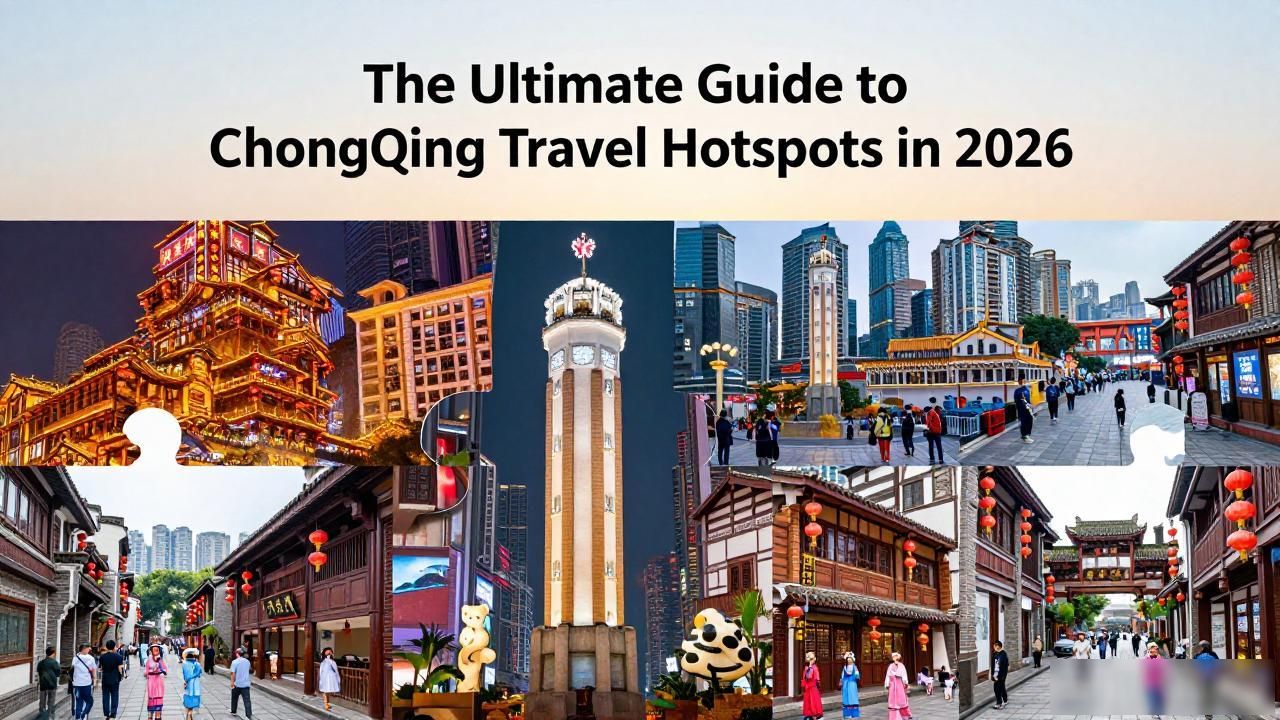
Chongqing is not just a city; it is a three-dimensional labyrinth of steel, light, and spice that defies conventional urban planning. For travelers seeking more than just a checklist of sights, this metropolis offers an immersive experience where mountains meet rivers and modernity collides with tradition. Understanding the core Chongqing travel hotspots requires looking beyond the surface-level tourism traps to find the authentic pulse of the Mountain City.
What are the best Chongqing travel hotspots for first-time visitors?

The most iconic entry point into this surreal landscape is Hongya Cave. Perched on the cliffs along the Jialing River, this stilt-house complex resembles a scene from a fantasy film or perhaps Spirited Away. At night, when the golden lights illuminate the structure, it becomes a breathtaking spectacle. However,the true value lies in exploring the multiple levels, where traditional crafts and local snacks hide behind the tourist-heavy ground floor. It serves as a perfect introduction to the verticality that defines the city’s architecture.
Another essential stop is Liziba Station, famous for the train that disappears directly into a residential apartment building. This visual paradox captures the essence of Chongqing’s dense urban fabric. While the viewing platform can get crowded, witnessing the train navigate through the concrete jungle provides a unique perspective on how locals live amidst the chaos. It is a quick visit but one that stays with you, highlighting the ingenious adaptation of infrastructure to difficult terrain.
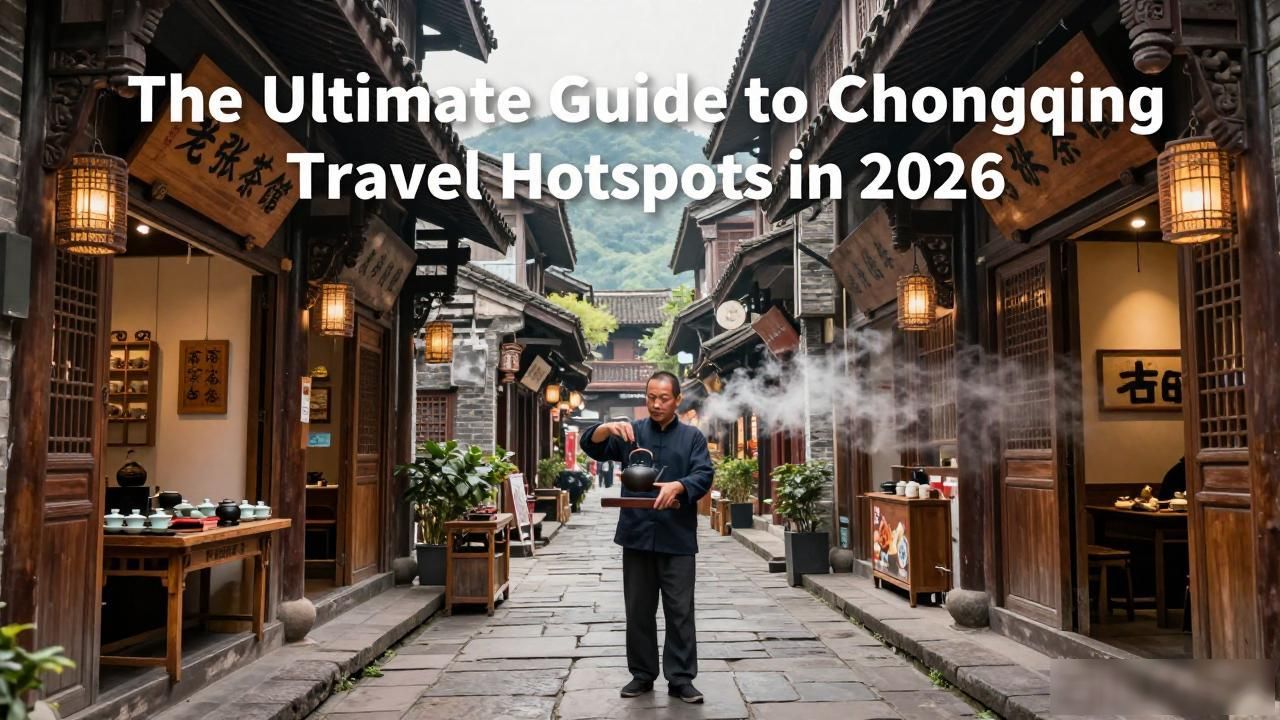
For those willing to venture slightly further, Ciqikou Ancient Town offers a slower pace. While often criticized for being commercialized, its narrow alleys still hold pockets of authenticity. Here, you can watch tea masters performing traditional rituals and taste the spicy hotpot that has become synonymous with the region. The contrast between the ancient stone paths and the towering skyscrapers in the distance creates a layered historical narrative that is hard to find elsewhere.
How can I navigate Chongqing travel hotspots efficiently?
Navigating Chongqing requires a shift in mindset because standard maps often fail here. The city is built on mountains, meaning “flat” can mean going up or down dozens of stories. Using the monorail system, particularly Line 2 and Line 3, is not just a transport option but a sightseeing experience in itself. These lines offer panoramic views of the Yangtze and Jialing Rivers, connecting major districts while avoiding the notorious traffic jams that plague the roads below.
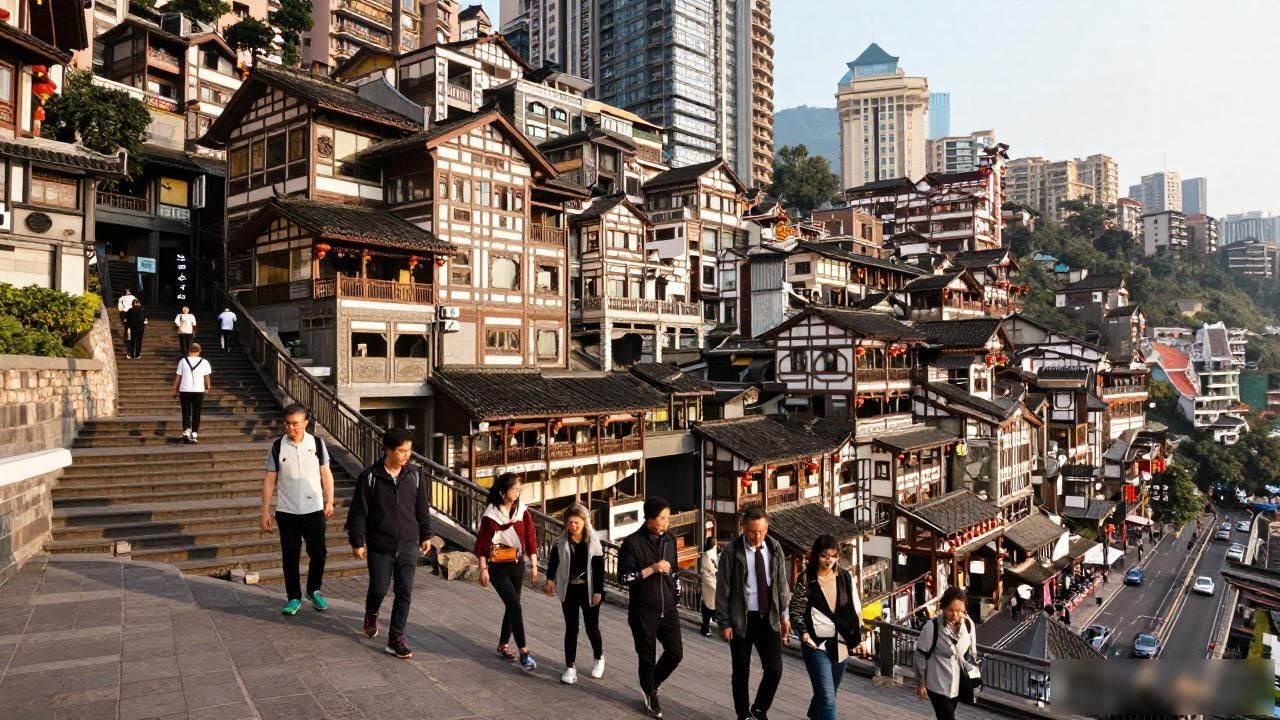
Walking is both a necessity and a challenge in this terrain. Many Chongqing travel hotspots are connected by extensive staircases and underground tunnels rather than straight streets. It is crucial to wear comfortable shoes and expect to climb more than you anticipate. The city’s layout is non-linear; what appears to be next door might require a twenty-minute detour through a basement or over a bridge. Embracing this confusion is part of the adventure.
Finally, timing your visits is key to avoiding exhaustion. The summer heat in July can be intense, so scheduling outdoor activities like walking along the Yangtze River Cableway during the cooler morning hours is advisable. Indoor attractions, such as the Three Gorges Museum, provide a respite from the humidity. By balancing physical exertion with cultural immersion, you can fully appreciate the vibrant energy of this unique Chinese megacity without burning out.