
I’ve spent twelve years teaching history in Lintong District, right where the terracotta pits sit beneath the loess plateau. The Terracotta Army discovery story is not just a textbook entry for my students—it’s woven into the soil, the water table,and every local legend passed down by farmers who remember the old well. But what most visitors still get wrong is just how ordinary the beginning was.
How was Terracotta Army discovery made

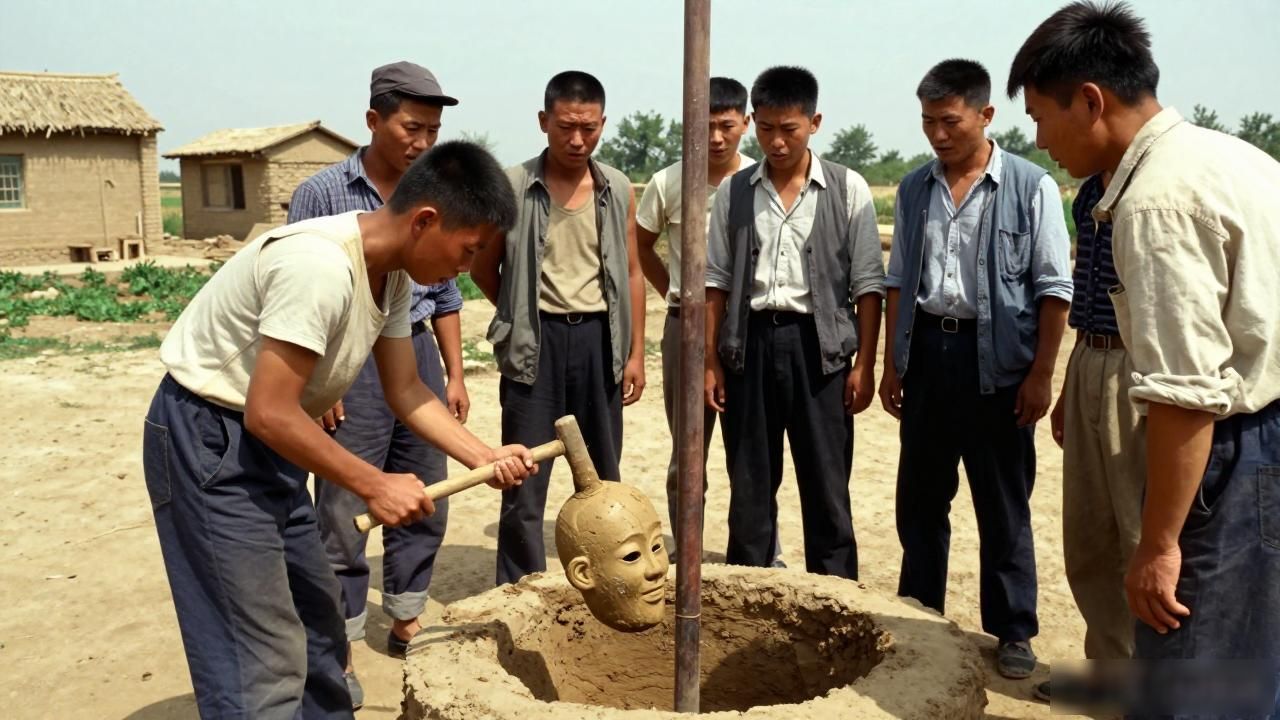
March 1974. A sixteen-year-old named Yang Zhifa and a handful of farmers in Xijia village were digging a water well after a long, punishing drought. They struck something hard, chipped off what looked like a clay head. The locals assumed it was some old figurine left behind by an earlier war. No one called an archaeologist that day. They wrapped the fragments in a cloth sack and set them on a windowsill for several weeks, half-forgotten.
A middle-school teacher named Li Shanzhi happened to see the shard and immediately recognized the glazed paint. He insisted on a proper excavation being authorized. By September, what emerged from the trench was not one figure but an entire underground force—thousands of soldiers, horses, and chariots still locked in battle formation, buried for over two thousand years.
Why does Terracotta Army discovery matter
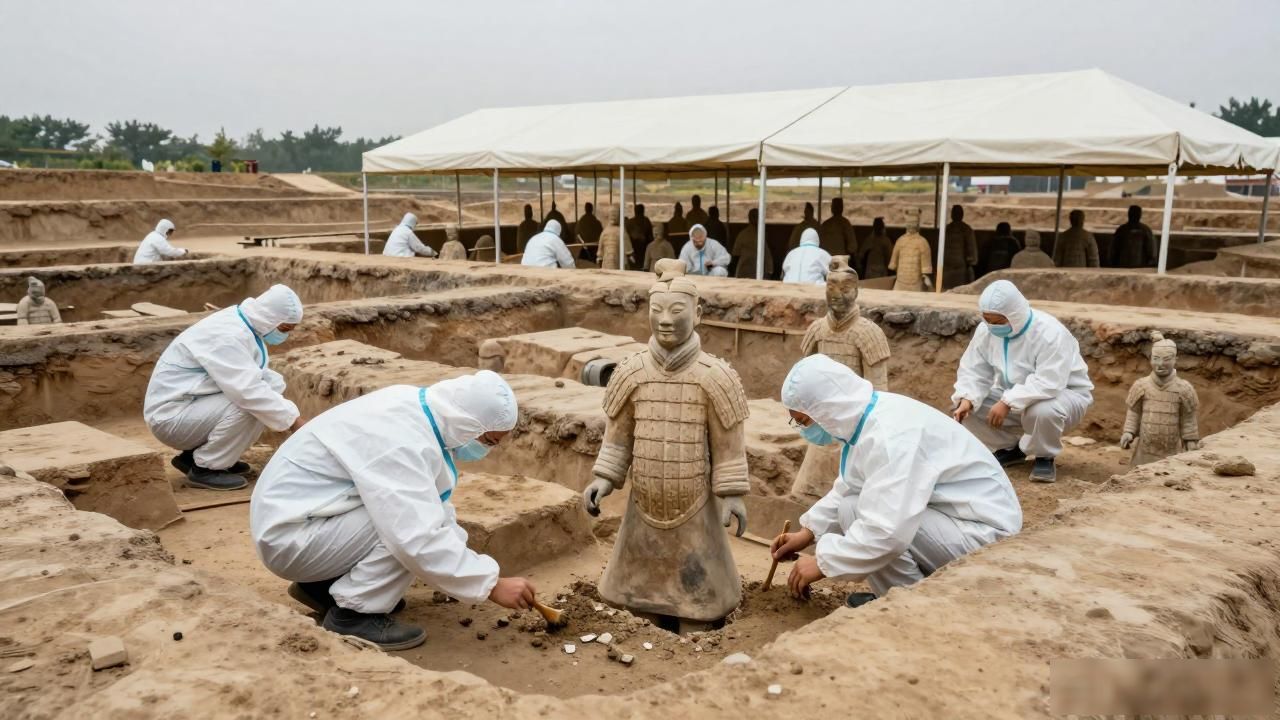
The find rewrote Chinese archaeological timelines almost overnight. Before 1974, the Qin dynasty’s military scale was debated from written records and fragmentary texts alone. Now researchers could count the horses, measure each soldier’s height, and read the pigment residues on their tunics. Each pit peeled back another layer of how Emperor Qin Shi Huang organized his vast imperial workforce and planned for the afterlife.
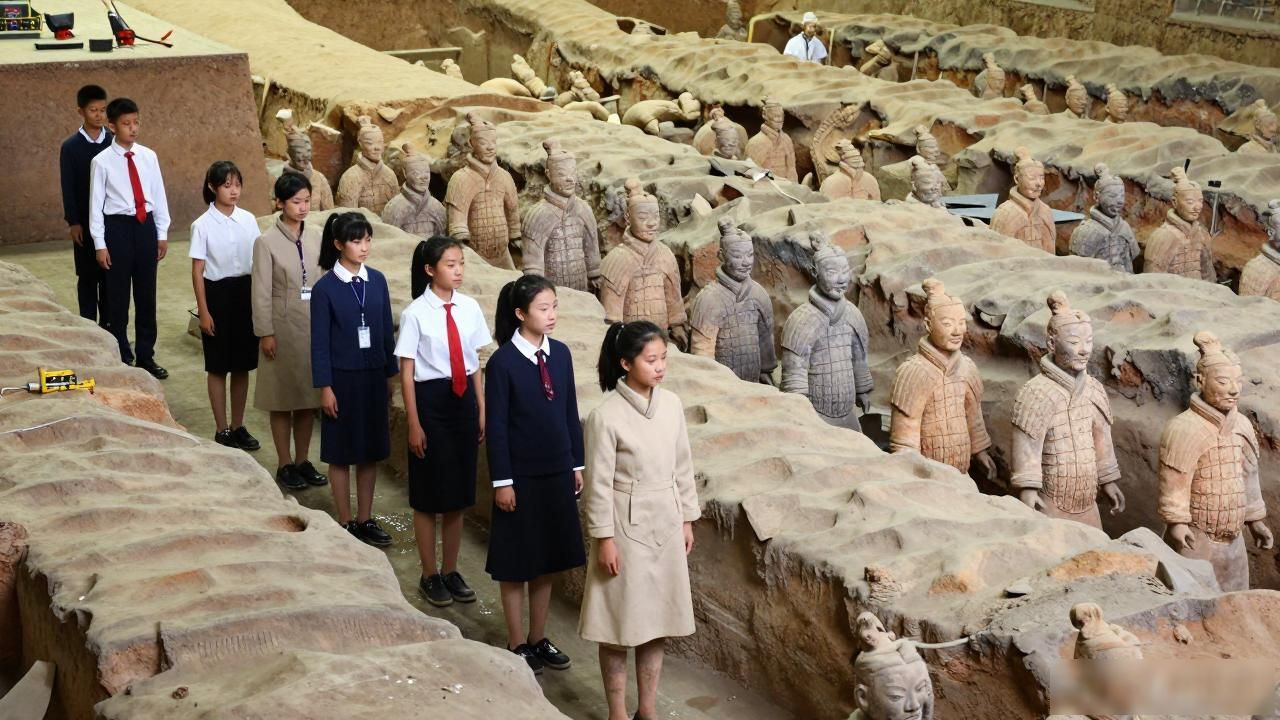
For me, standing in Pit 1 with a class of thirty teenagers, the silence when they finally grasp the scale hits different. These are not museum dioramas behind glass. The bricks are still damp from groundwater seeping through the soil. The army was never fully excavated—roughly eighty percent remains sealed under the earth. That half-finished feeling is the whole point.
Next time someone tells you the Terracotta Army was found “by accident,” just smile. It was a drought, a well, a stubborn teacher, and the ground itself finally deciding to speak. The story is still being dug up, one season at a time.