
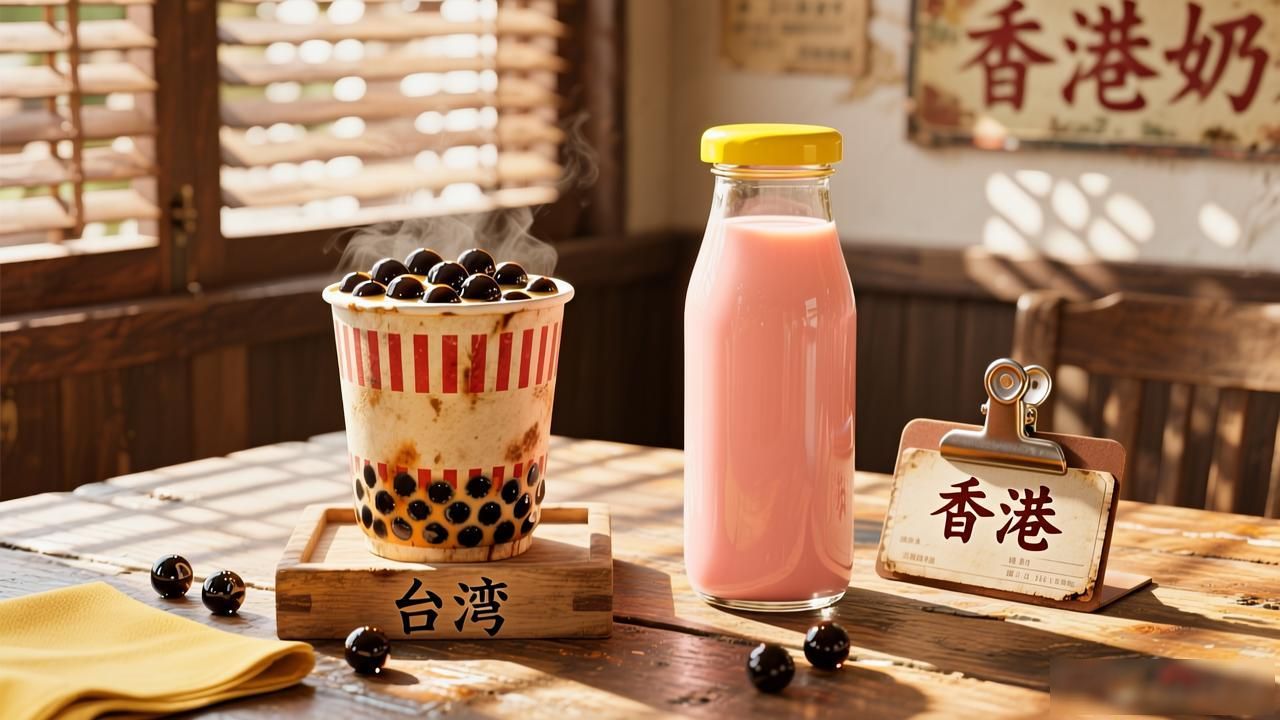
Milk tea is one of those beverages that has conquered the world without anyone really noticing how it happened. One day it was a regional drink from Asia, and the next it was everywhere — from high-end boutiques in New York to street stalls in London. Today I want to share what makes milk tea such a fascinating and beloved drink. Whether you are a curious newcomer or someone who already drinks it daily, there is always something new to discover about this comforting beverage.
Where Does Milk Tea Come From
The origins of milk tea trace back centuries to ancient China, but the story is far more complicated than most people realize. Some historians argue that Tibetan herders were the first to mix tea with milk and butter, creating a primitive version of what we now call milk tea. Others point to the tea houses of Guangdong province, where milk was added to strengthen the flavor of dark tea leaves during trade journeys along the Silk Road.
What we now recognize as modern bubble tea or boba emerged in Taiwan during the 1980s. A tea shop owner in Taichung accidentally discovered that adding tapioca pearls to his drink created an entirely new experience. The chewy texture of the pearls gave the beverage a playful quality that captivated young people and spread rapidly across Asia before reaching Western markets in the late 1990s.

Milk tea is not one single drink but a whole family of beverages with countless regional variations. In Taiwan, you will find brown sugar milk tea with thick layers of caramelized sugar. In Hong Kong, egg milk tea is a cultural institution, brewed with eggs that give the drink an incredibly smooth and rich texture. Each variation tells a story about the place it comes from and the people who created it.
How Milk Tea Taste Is Shaped by Its Ingredients
Understanding milk tea starts with understanding its components, and each element plays a critical role in the final flavor. The tea base can be black, green, oolong, jasmine, or matcha — and switching between these alone can completely transform the drink. A strong Assam black tea gives milk tea a bold and malty character, while a delicate jasmine green tea creates something light and floral that pairs beautifully with milk.
The type of milk you choose matters enormously. Traditional recipes call for dairy milk, which adds creaminess and a subtle sweetness. But the rise of oat milk and almond milk has opened up entirely new possibilities for those who prefer plant-based alternatives. Oat milk, in particular, has become a favorite among milk tea enthusiasts because it creates a naturally sweet and velvety texture that complements the tea without overpowering it.
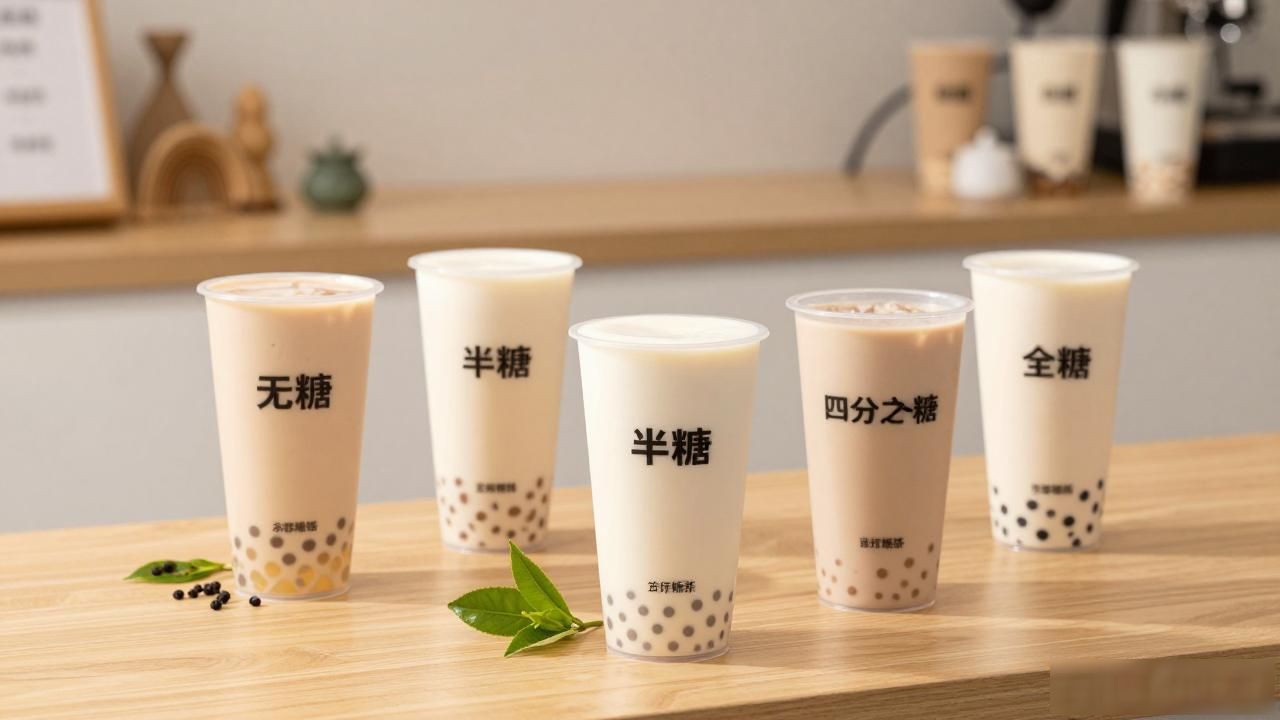
Sweetness level is another factor that deserves attention. Traditional milk tea shops often allow customers to choose from no sugar to full sugar, and many experienced drinkers opt for half or quarter sweetness. This approach lets the quality of the tea shine through instead of masking it behind an overwhelming layer of sweetness. The best milk tea strikes a balance where you can taste the tea, the milk, and the sweetness working together in harmony.
Pearls and other toppings add texture and personality to the drink. Classic tapioca pearls are made from cassava starch and have a chewy and satisfying bite. Alternative toppings like grass jelly,popping boba, and coconut jelly each bring their own unique texture and flavor profile to the glass.
Why Milk Tea Has Become a Global Phenomenon
The explosion of milk tea into a global phenomenon is remarkable when you consider how recently it was confined to East and Southeast Asia. Today, cities around the world have their own milk tea scenes, with locals developing preferences and traditions that reflect their unique cultural context. In the United States, milk tea shops have become social gathering spots similar to coffeehouses, while in Europe, milk tea is often enjoyed as a more refined and artisanal beverage.
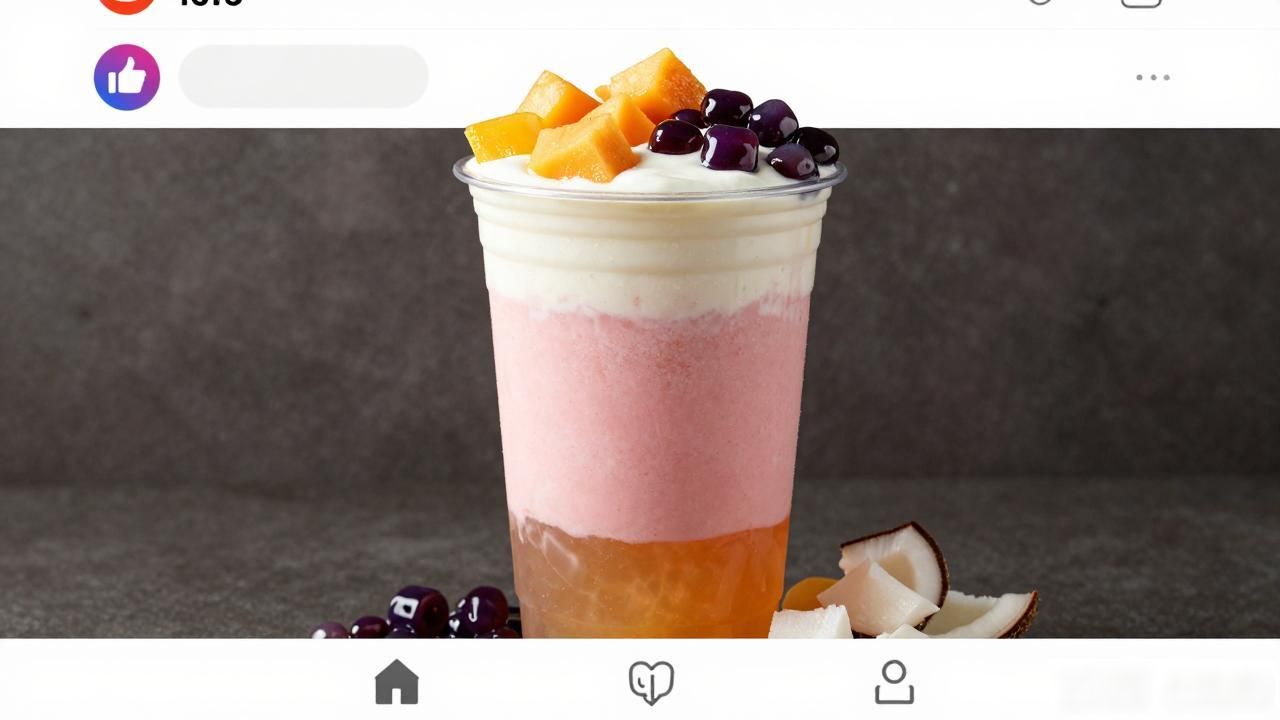
Several factors explain this rapid globalization. The social media age played a huge role — visually appealing milk tea drinks with colorful layers and unique toppings are perfect for sharing online. Milk tea became Instagram-worthy content before Instagram even existed, and this visual appeal drove massive organic growth across the internet. Young people discovered milk tea through friends and online content, then sought it out locally.
The accessibility of milk tea also contributed to its worldwide popularity. Unlike coffee, which requires specific equipment and expertise to prepare properly, milk tea is relatively straightforward to make at home. This meant that as interest grew, people could recreate their favorite drinks without relying on shops. The DIY aspect created a deeper connection between people and the beverage, turning casual consumers into passionate enthusiasts.
The health conversation around milk tea is complex and ongoing. Traditional bubble tea can be quite high in calories and sugar, but many modern shops now offer healthier alternatives with fresh fruit, less sugar, and nutritious add-ins like aloe vera and chia seeds. This evolution shows that milk tea culture is adaptable and responsive to consumer demands for both indulgence and well-being.