
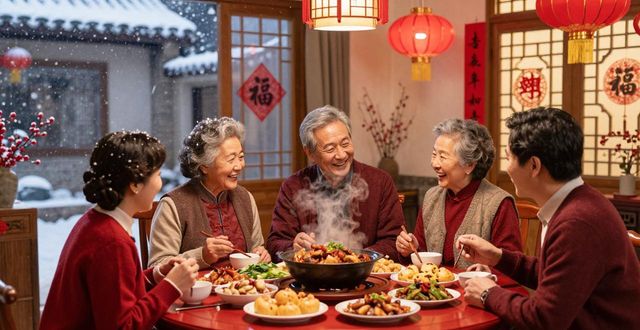
The Spring Festival family reunion is the heart of Chinese New Year, a time when millions travel across the country to gather with loved ones. For foreigners, this tradition may seem overwhelming, but it’s actually a beautiful blend of food, ritual, and connection. Understanding its depth helps you appreciate why family comes first in Chinese culture.
What Makes Spring Festival Family Reunion So Special

The reunion dinner on New Year’s Eve is the centerpiece. Families prepare dishes like dumplings, fish, and rice cakes, each symbolizing luck, prosperity, or togetherness. The meal isn’t just about eating—it’s a shared moment where generations reconnect. Grandparents tell stories, children receive red envelopes, and laughter fills the room. For many Chinese, this evening is the only time all year when the entire family sits under one roof. The emotional weight is real, and foreigners often find it moving to witness such focused togetherness.
Beyond the meal, the reunion extends over several days. Visits to relatives, temple fairs, and fireworks keep the spirit alive. If you’re invited to a Chinese home during this time, expect warmth and generosity. Don’t be surprised if your host insists you eat more—it’s a sign of care. The key is to participate, even if you don’t understand every custom. Smiling and trying traditional foods goes a long way.
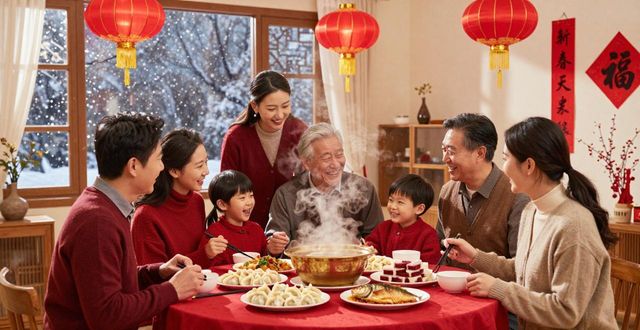
How to Join a Spring Festival Family Reunion as a Foreigner
If you’re lucky enough to be invited, preparation matters. Bring a small gift, like fruit or tea, and avoid giving clocks or sharp objects—they carry bad luck. Dress modestly and respectfully,and learn a few phrases like “Xin nian kuai le” (Happy New Year). Most importantly, be ready to eat. Your host will likely offer you multiple rounds of food, and declining too firmly can feel rude. Instead, take small portions and compliment the cooking.
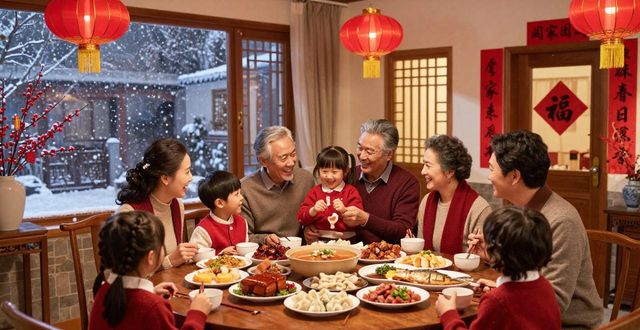
Embrace the chaos. Chinese family reunions can be loud, with multiple conversations happening at once. Children run around, elders argue playfully, and TV plays in the background. This isn’t disorganization—it’s life. For a foreigner, the best approach is to observe, ask questions, and join in games like mahjong or card games. These moments build bonds faster than any formal conversation. By the end, you’ll understand why this reunion is worth the crowded trains and busy kitchens.