
Chinese cuisine is far more than just takeout boxes of General Tso’s chicken. It is a vast, ancient culinary landscape defined by regional diversity, complex flavor profiles, and meticulous cooking techniques. For foreigners looking beyond the standard menu,understanding the core philosophy of balance—between hot and cold, spicy and sweet, texture and taste—is key. This guide cuts through the stereotypes to highlight the most iconic dishes that define modern Chinese dining experiences globally.
Why Is Kung Pao Chicken So Popular Abroad?

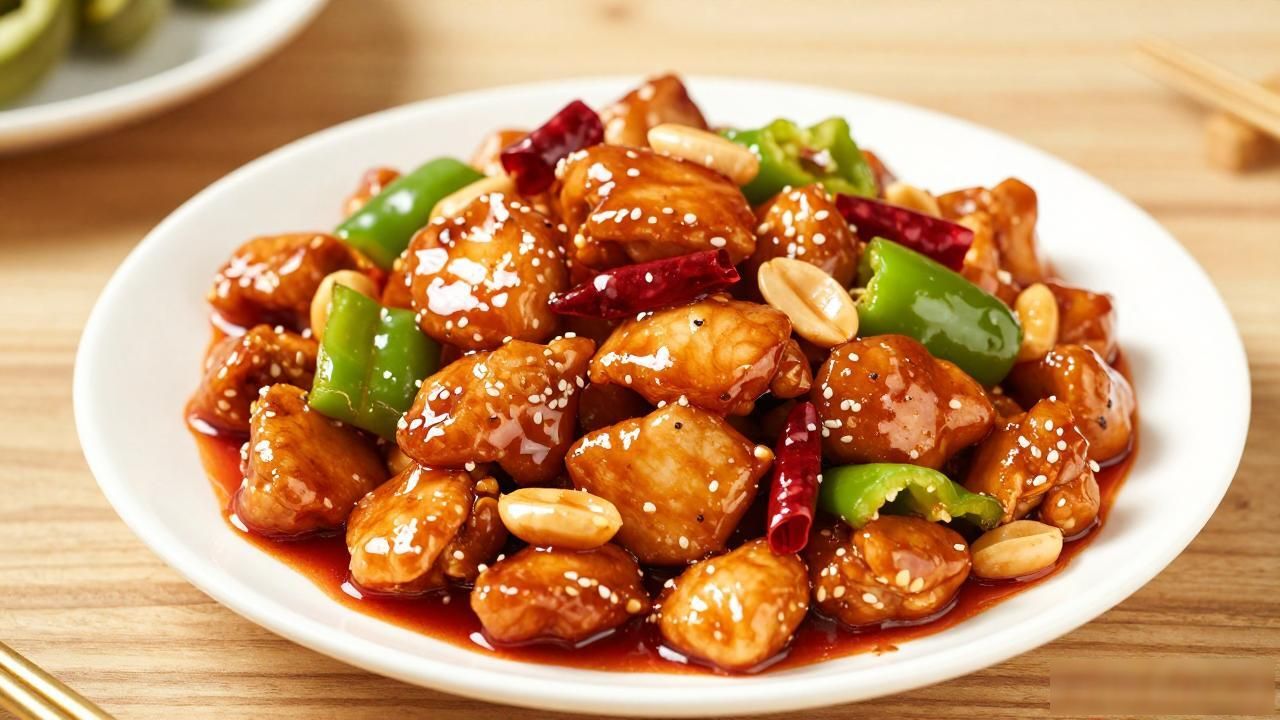
Kung Pao chicken stands out as a bridge between authentic Sichuan flavors and Western palates. Originating from the province of Sichuan, this dish features diced chicken stir-fried with peanuts, vegetables, and chili peppers. The magic lies in the sauce, which balances salty, sweet, sour, and spicy notes. Unlike many other dishes that rely heavily on heavy sauces, Kung Pao allows the ingredients to shine while delivering a distinct “mala” (numbing spice) kick that has become addictive for international diners.
The popularity of this dish also stems from its versatility. It can be adjusted for heat tolerance, making it accessible to those new to Chinese food. The addition of roasted peanuts provides a crucial crunch that contrasts with the tender meat, creating a satisfying mouthfeel. When ordering, specifying the level of spice ensures you get the authentic experience without overwhelming your taste buds initially.
What Are the Best Dumpling Varieties for Beginners?
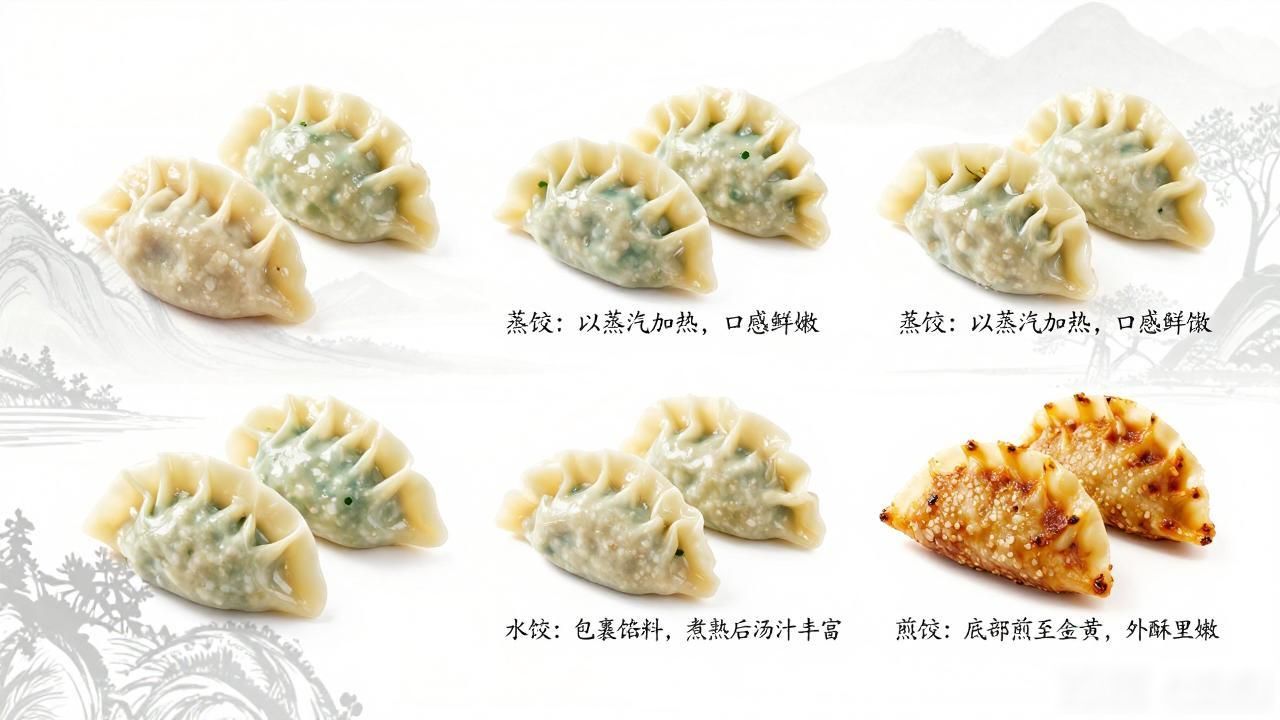
Dumplings, known as Jiaozi in northern China and Wonton in southern regions, are the universal comfort food of China. For beginners, steamed pork and chive dumplings offer a gentle introduction to the delicate dough and savory filling. The thin skin wraps around a mixture of ground pork, ginger, and garlic, resulting in a juicy bite that is both comforting and flavorful. They are often served with a simple dip of black vinegar and chili oil, enhancing the natural sweetness of the meat.
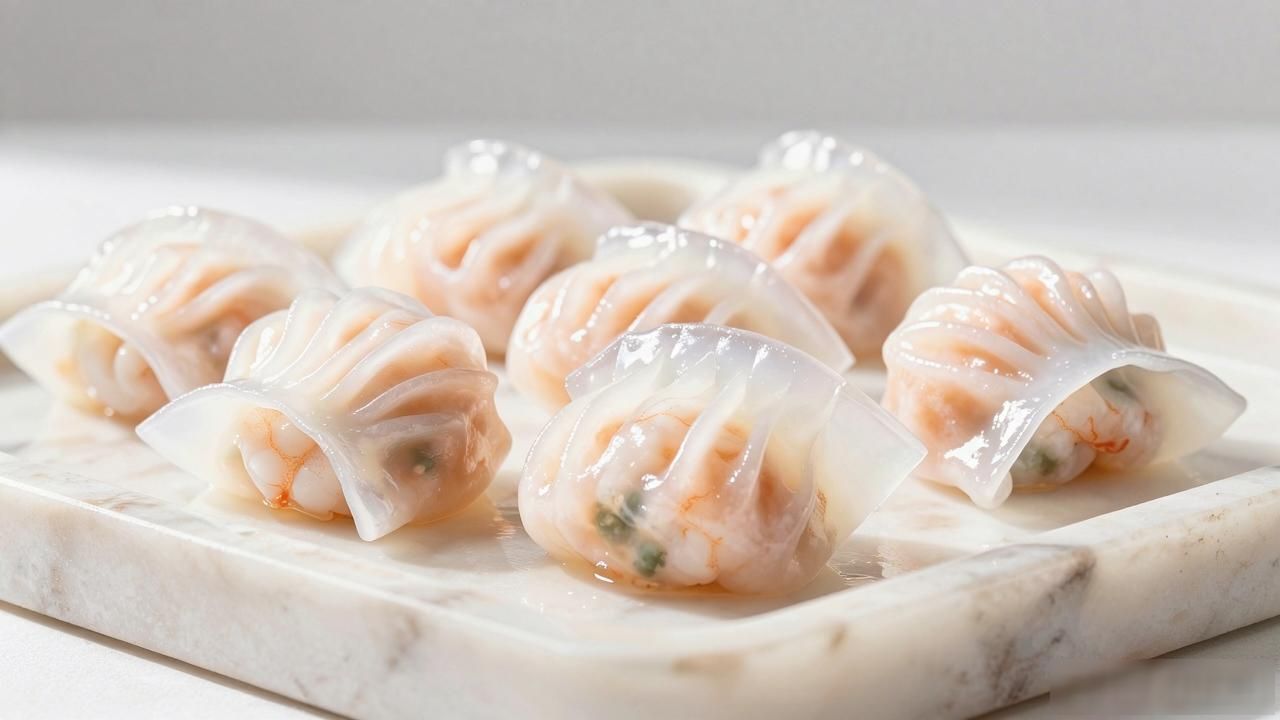
Another excellent option is the shrimp dumpling, particularly the har gow style found in Cantonese dim sum. These translucent, pleated parcels highlight the freshness of the shrimp rather than masking it with heavy spices. The texture is bouncy and crisp, offering a completely different experience from the boiled or steamed pork varieties. Trying both types gives a comprehensive view of how regional differences shape even the simplest dishes.
Exploring popular Chinese food requires an open mind and a willingness to experiment. From the fiery depths of Sichuan to the refined subtleties of Cantonese cuisine, there is something for every palate. Embracing these diverse flavors not only satisfies hunger but also opens a window into the rich cultural history behind every plate.