
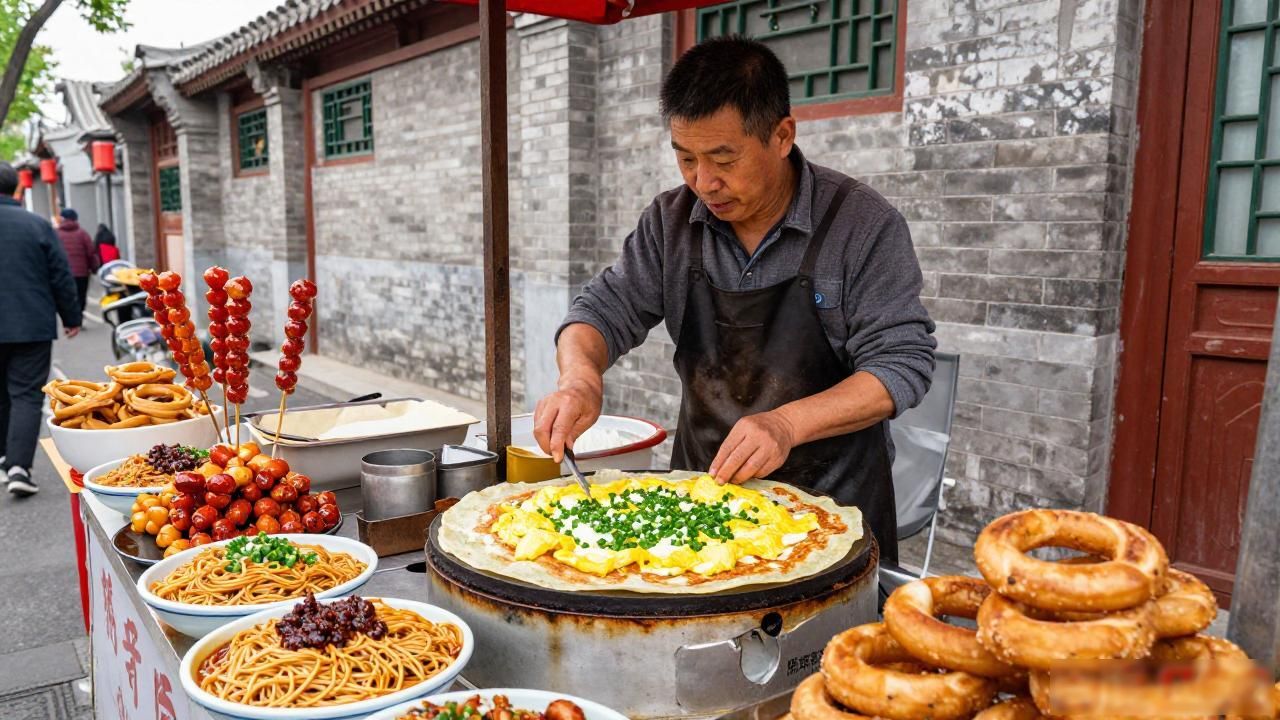
Beijing’s hutongs are more than just narrow alleyways—they are living museums of flavor. Walking through these historic lanes, you’ll find some of the most authentic and affordable local snacks in the city. The beauty of hutong snacks lies in their simplicity: they are made by locals for locals, using recipes passed down through generations. If you want to experience real Beijing cuisine, skip the tourist traps and head straight into the hutongs.
What snacks can you find in Beijing hutongs

The variety of hutong local snacks is surprisingly wide. You’ll find everything from savory pancakes to sweet treats cooked right on the street. One classic is jianbing, a crispy crepe filled with egg, scallions, and a crunchy fried cracker. It’s a popular breakfast item, but locals eat it any time of day. Another favorite is douzhi, a fermented mung bean drink with a strong, acquired taste. It pairs perfectly with jiaoquan, a fried dough ring that’s salty and chewy. Don’t miss the lamb skewers either—seasoned with cumin and chili, they’re grilled over charcoal right in front of you. The smell alone will pull you in.
How do hutong snacks taste different from restaurant food
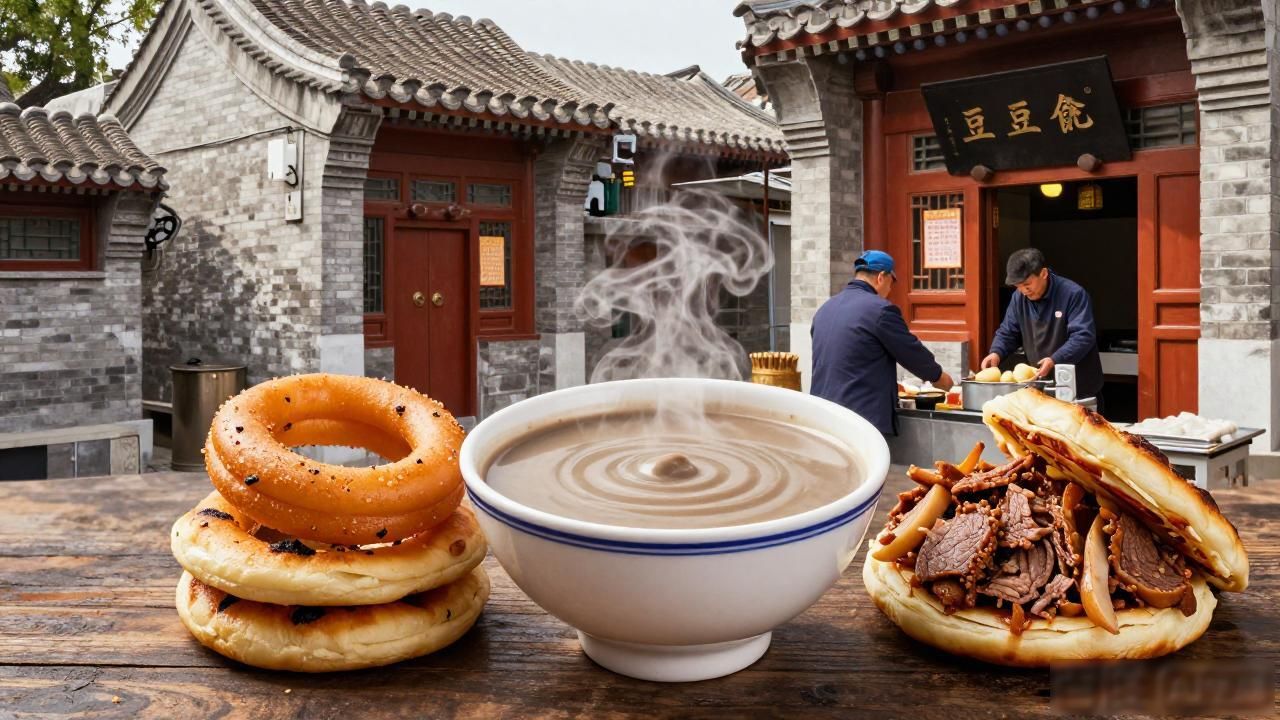
Hutong snacks have a rustic, unfiltered character that restaurant versions often lack. The flavors are bold, sometimes even challenging,because they stay true to their origins. For example, lvdagunr, a sweet glutinous rice roll filled with red bean paste and coated in soybean flour, tastes fresher from a street stall than from a fancy restaurant. The texture is softer, the sweetness more natural. Similarly, zhajiangmian, noodles topped with a thick sauce made from fermented soybean paste and minced pork, has a deeper flavor when made in a tiny hutong kitchen. You can taste the care and history in every bite. It’s not just food—it’s a story.
Why street vendors matter for hutong snack culture
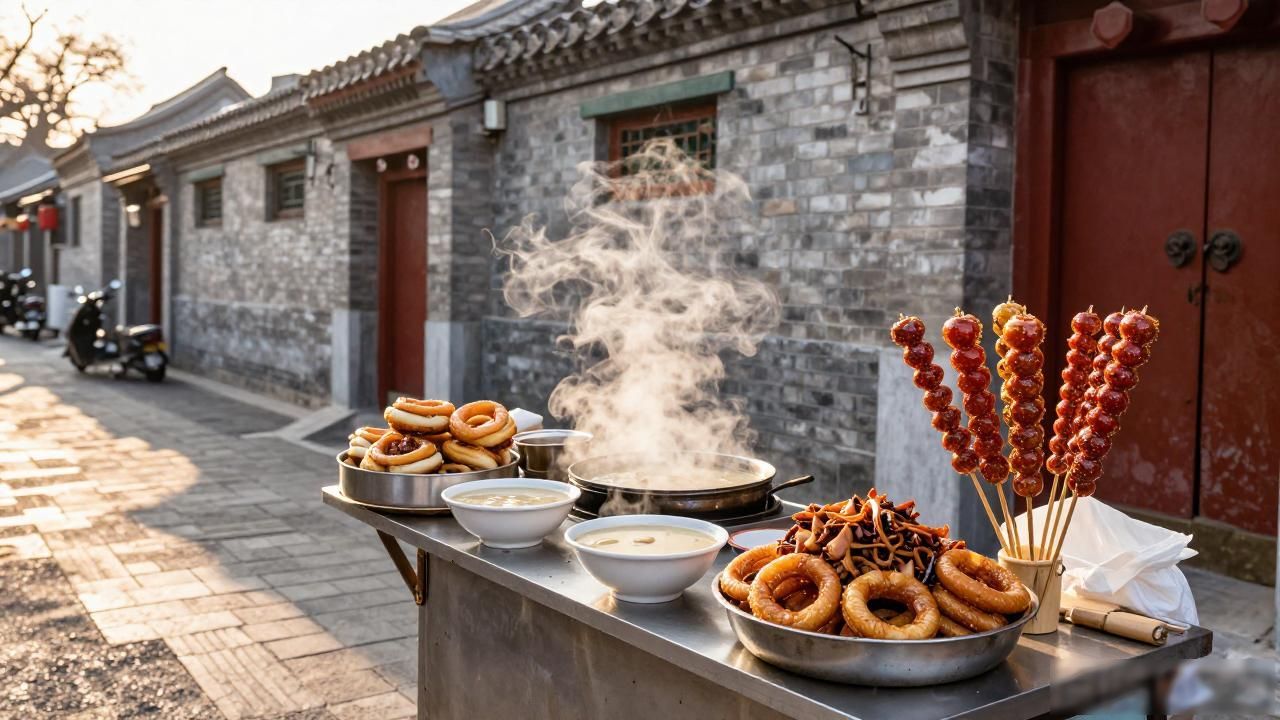
The people who run these snack stalls are the backbone of hutong food culture. Many have been doing this for decades, learning from their parents or grandparents. They know exactly how long to fry the dough, how much sauce to add, and when to flip the pancake. Without them, many traditional snacks would disappear. Eating from these vendors also means you get to see the cooking process up close. You can watch them knead, fry, and serve with their own hands. This transparency builds trust and makes the food taste even better. Supporting these small businesses helps preserve a way of life that is slowly fading.
Walking through a hutong with a snack in hand is one of the most genuine experiences Beijing offers. Each bite connects you to the city’s past and its people. So bring an empty stomach and an open mind—you’ll leave with full belly and unforgettable memories.