
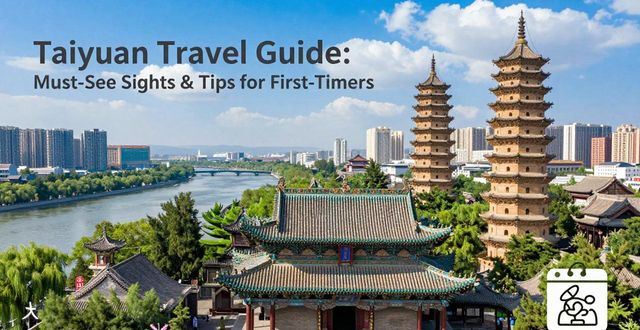
Taiyuan, the capital of Shanxi province in northern China, is often overlooked by travelers rushing to see the terracotta warriors or the Great Wall. But for those willing to dig a little deeper, Taiyuan offers a raw, unfiltered look at China’s industrial heartland, with a surprising wealth of ancient temples, coal-mining history, and some of the best noodles you’ll ever eat. This guide is designed to help you cut through the noise and get straight to what matters.
What is Taiyuan famous for?
Most people land in Taiyuan because they’re on their way to see the hanging temple or the Yungang Grottoes in Datong. But the city itself holds its own heavyweight attractions. The Jinci Temple, a sprawling complex dating back over 1,400 years, is a must-visit. It’s not just a temple; it’s a living museum of ancient architecture, with a famous cross-legged wooden dragon sculpture and a spring that has never dried up. The Shanxi Museum is another strong contender, with an excellent collection of bronze ware and Buddhist statues that tell the story of the region’s long, complex history.
Don’t expect a shiny, modern metropolis. Taiyuan is gritty. It’s a city built on coal, and that legacy is visible in the grey skies and the worn-down neighborhoods. But that roughness gives it an authenticity you won’t find in Shanghai or Beijing. Walking through the old city walls or the narrow hutong-like alleys near the Food Street, you feel the weight of history, dusty and stubborn.
How many days do you really need in Taiyuan?
One full day is enough to see the main sights in the city center, including the Jinci Temple and the Shanxi Museum. If you have two days, you can add a trip to the Tianlong Mountain Grottoes, a set of Buddhist cave temples carved into a cliffside about an hour’s drive from the city. The grottoes are not as famous as those in Datong, but they are far less crowded and offer a more intimate experience.

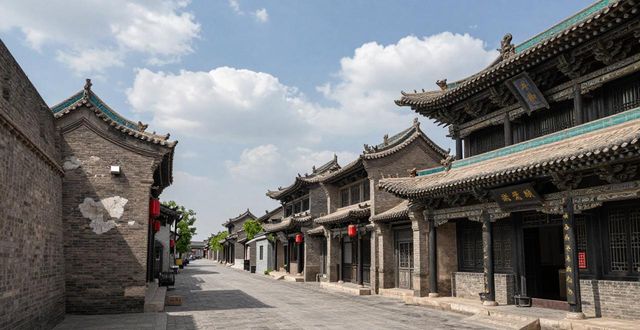
Three days would allow you to take a day trip to the ancient walled city of Pingyao, which is only about an hour and a half by train. Pingyao is a well-preserved time capsule from the Ming and Qing dynasties, with intact city walls, old banks, and winding streets. Taiyuan itself is not a place to linger for a week. It’s a base camp for exploring the rest of Shanxi, and the city’s best use is as a launchpad for deeper adventures.
What should you eat in Taiyuan?
This is the part that will change your life. Taiyuan is the noodle capital of China. You cannot leave without trying the knife-cut noodles, or dao xiao mian. These are thick, chewy strips of dough sliced directly into boiling water by a cook wielding a special metal blade. The texture is unlike any pasta you’ve had. Another local specialty is the “old vinegar” aged for years, which is used in almost everything. The food here is heavy, salty, and sour.
For a quick meal, try the yangrou paomo, a lamb soup with shredded flatbread that you tear into pieces yourself. The street food scene is alive, especially around the Evening Market. You’ll find grilled lamb skewers, fried dough twists, and a sweet, sticky rice cake called jiang mi gao. Chew well, drink plenty of local vinegar, and prepare for an intense culinary ride.
Taiyuan won’t charm you with polish. It will win you over with its raw energy, its ancient relics, and its soul-deep connection to the land. If you’re looking for a China that feels real, a China that hasn’t been scrubbed clean for tourists, book the ticket. Just pack a face mask for the coal dust and an empty stomach.