
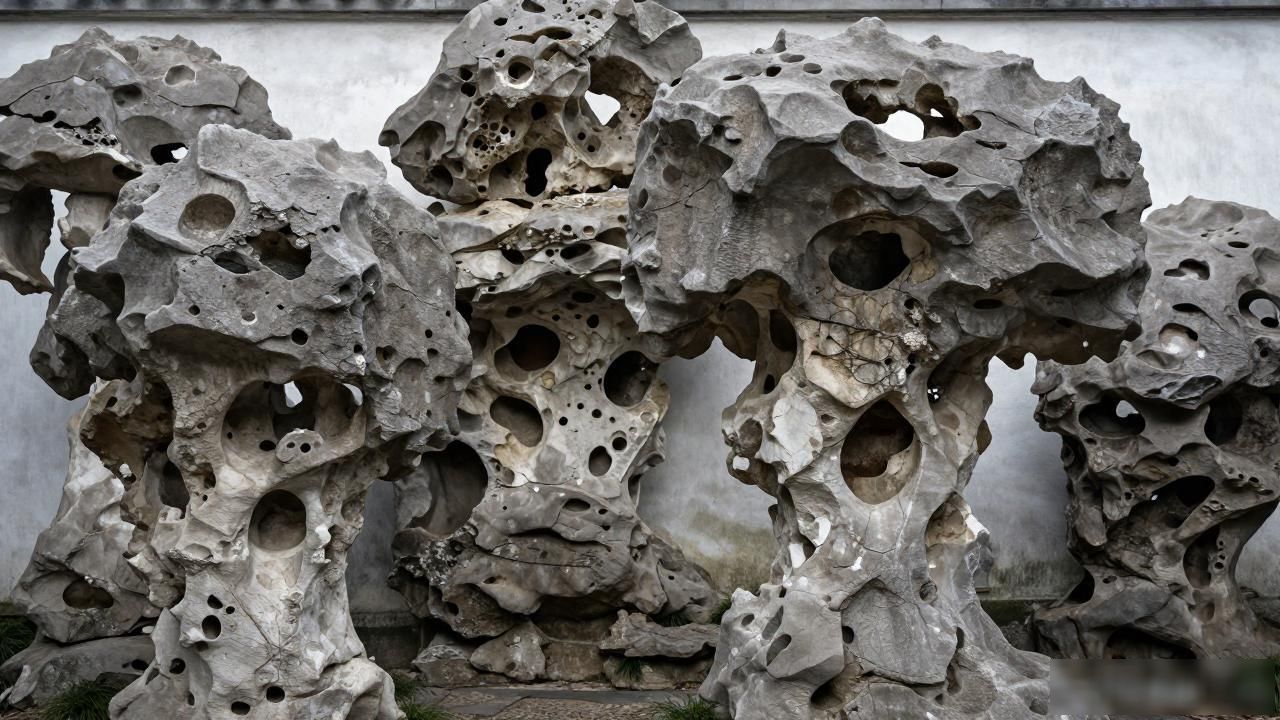
Walking through Suzhou’s classical gardens, you immediately notice them: the dramatic rock formations that define every courtyard and water edge. These aren’t random piles of stone. They represent centuries of Chinese artistic tradition compressed into a single glance. Rockeries form the骨架, or skeleton, of every great Suzhou garden. Without them, the space feels empty, unfinished. They connect sky to ground, stillness to movement, philosophy to physical beauty.
What Makes Suzhou Rockeries Different from Other Garden Stones
Most people confuse decorative rocks with proper rockeries. The difference matters. A decorative rock is just… there. It sits in a garden because someone thought it looked nice. A rockery tells a story. It represents entire mountain ranges compressed into an arrangement that fits within a residential courtyard.

The magic ingredient is Taihu stone. These limestone boulders come from Lake Tai area near Suzhou. Water and time carved them into shapes that look nothing like normal rocks. Holes, tunnels, and jagged edges give them character. A single piece of Taihu stone can transform an entire garden space. The stone appears weathered by centuries of natural forces,yet it’s positioned with deliberate artistic intention.
Master rockery builders, called shanshui artists, studied real mountains before arranging a single stone. They understood how Huangshan peaks fell away into valleys, how Mount Tai rises dramatically from flat land. When they placed rocks in gardens, they recreated those geological dramas on a human scale.
How Were These Masterpieces Actually Built
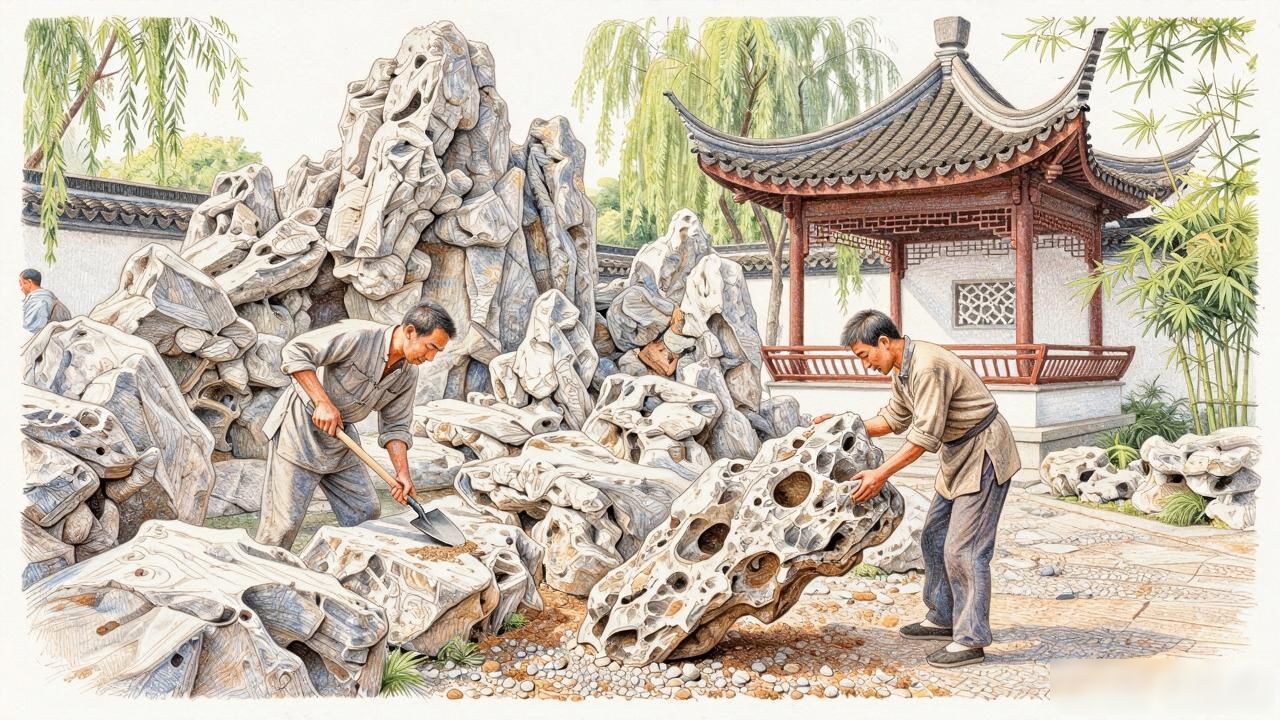
You might think stacking big rocks requires complicated engineering. It doesn’t. The best rockeries use a technique called “embedding.” Builders dig trenches, place stones at angles, and bury part of each rock so it appears naturally settled into the earth. Nothing looks constructed. Everything looks like it grew there.
The size of stones matters enormously. Large rocks form the backbone. Smaller fragments fill gaps and create texture. Even pieces that look like rubble serve a purpose. A rockery without varied scale looks flat and boring.
Water and rockeries share an inseparable relationship. Many garden rockeries rise from pond edges or cascade over small streams. The reflection doubles the visual impact. Rain flowing through holes in Taihu stone creates sound and movement. Dry rockeries exist too, especially in drier seasons or in courtyards where water features wouldn’t fit.
Why Should You Care About These Ancient Stone Arrangements
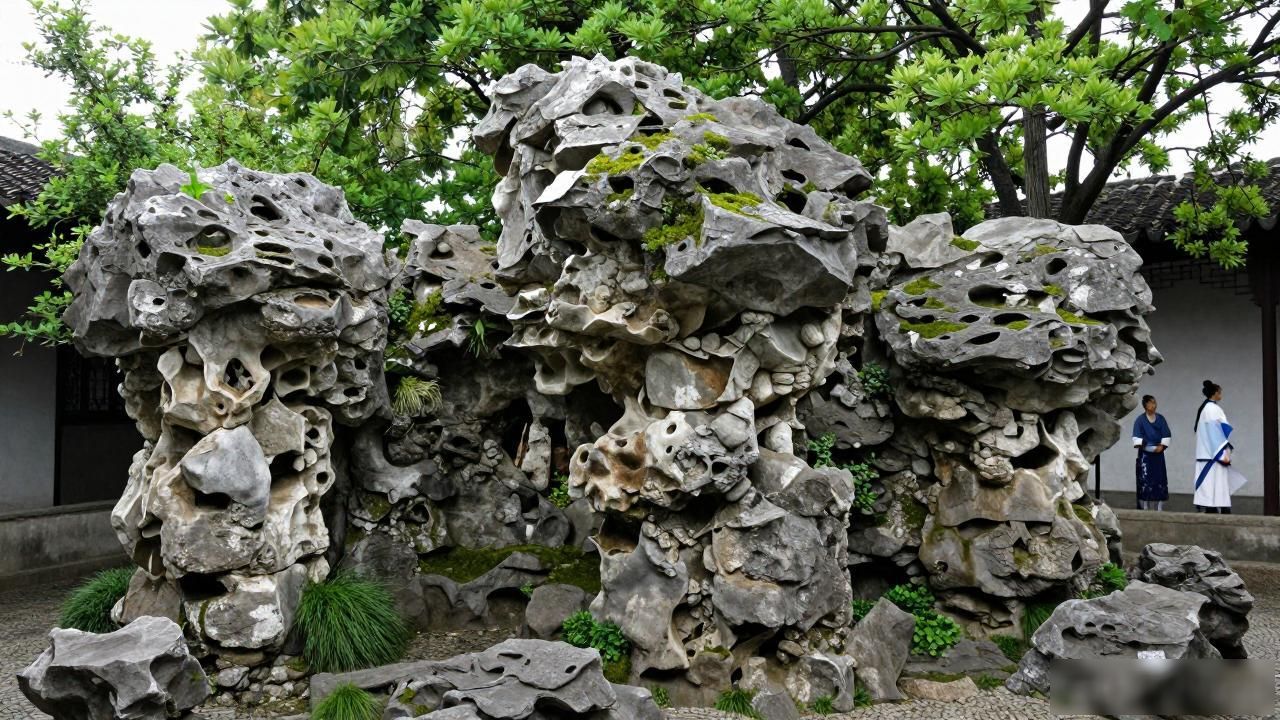
Rockeries challenge how you see space. A five-hundred-year-old arrangement teaches that mountains don’t need to be massive to be powerful. They compress wilderness into walkable distance. You stand beside what represents a towering cliff and feel small anyway.
The philosophy behind them still resonates. Chinese scholars created these arrangements partly as escape from court politics. The garden became a refuge, a place where nature’s order replaced human chaos. Every curved path, every hidden viewing angle, every carefully placed stone invited contemplation.
When you visit Suzhou gardens today, don’t rush past the rockeries. Stop. Look at how light falls through those strange holes in the stone. Notice how a single formation can change the mood of an entire courtyard. Rockeries represent humanity’s oldest ambition: to hold nature inside a box and call it art. They succeeded.