
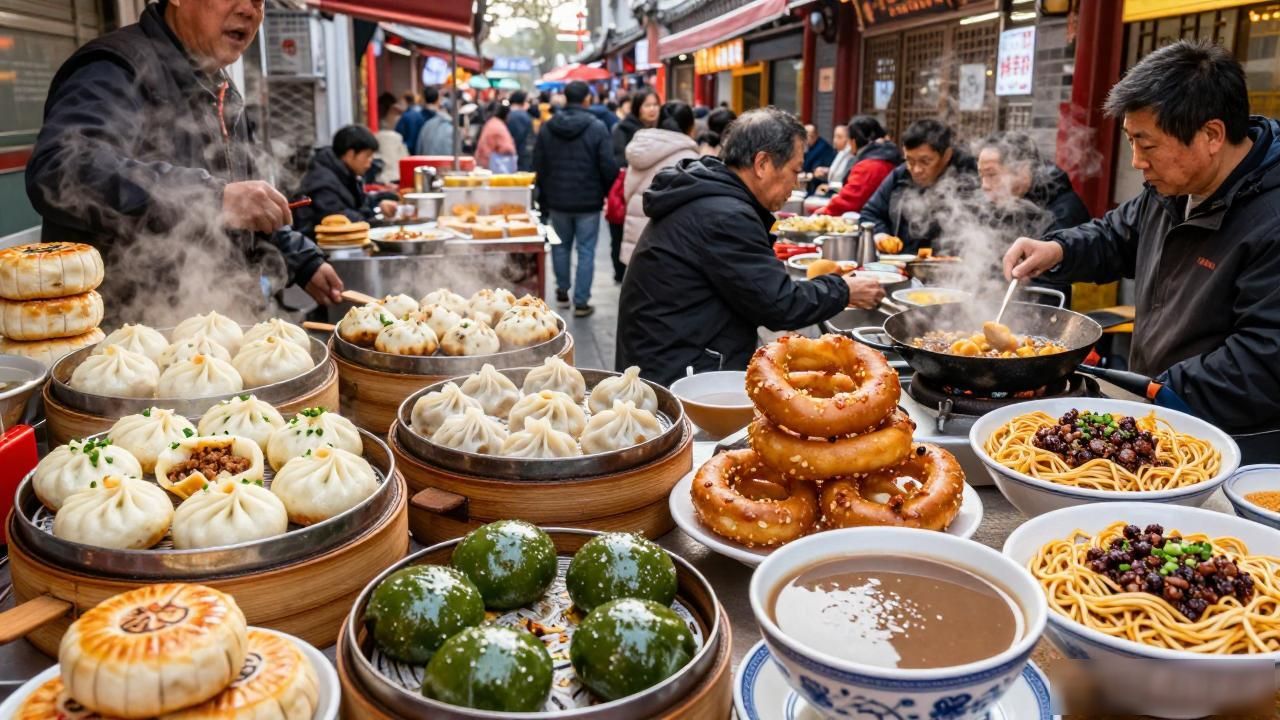
Walking through the narrow alleyways of any Chinese city, I’m always struck by how street snacks form the beating heart of daily life. You might pass a grandmother selling jianbing from her wok, or students lined up at a cart serving cumin-laced lamb skewers until past midnight. These small bites carry more than just flavor — they tell stories of region, season, and centuries of culinary tradition. As someone who has wandered food streets from Chengdu to Xi’an, I want to share what I’ve learned about China‘s incredible street food scene with fellow travelers curious about local flavors.
What Makes Chinese Street Snacks Unique

Chinese street food defies simple categorization. Each province brings its own geography, climate, and history to the table, producing snacks that can be wildly different even when they look similar on the surface. The difference between a baozi in Shanghai and one in Beijing is not just subtle — it reflects entirely different philosophies about dough, filling, and steaming technique passed down through generations of family vendors.
I remember my first time trying shao mai in Guangzhou’s Shangxiajiu Pedestrian Street. The wrappers were paper-thin,almost translucent, and the pork and shrimp filling glistened with sesame oil. The vendor, a woman in her sixties with rapid hands, assembled each dumpling in seconds. Around her, steam rose in thick clouds from bamboo baskets while customers chatted about neighborhood gossip. Street food culture in China is deeply communal, and sharing a plastic stool at a crowded counter is as much part of the experience as eating itself.
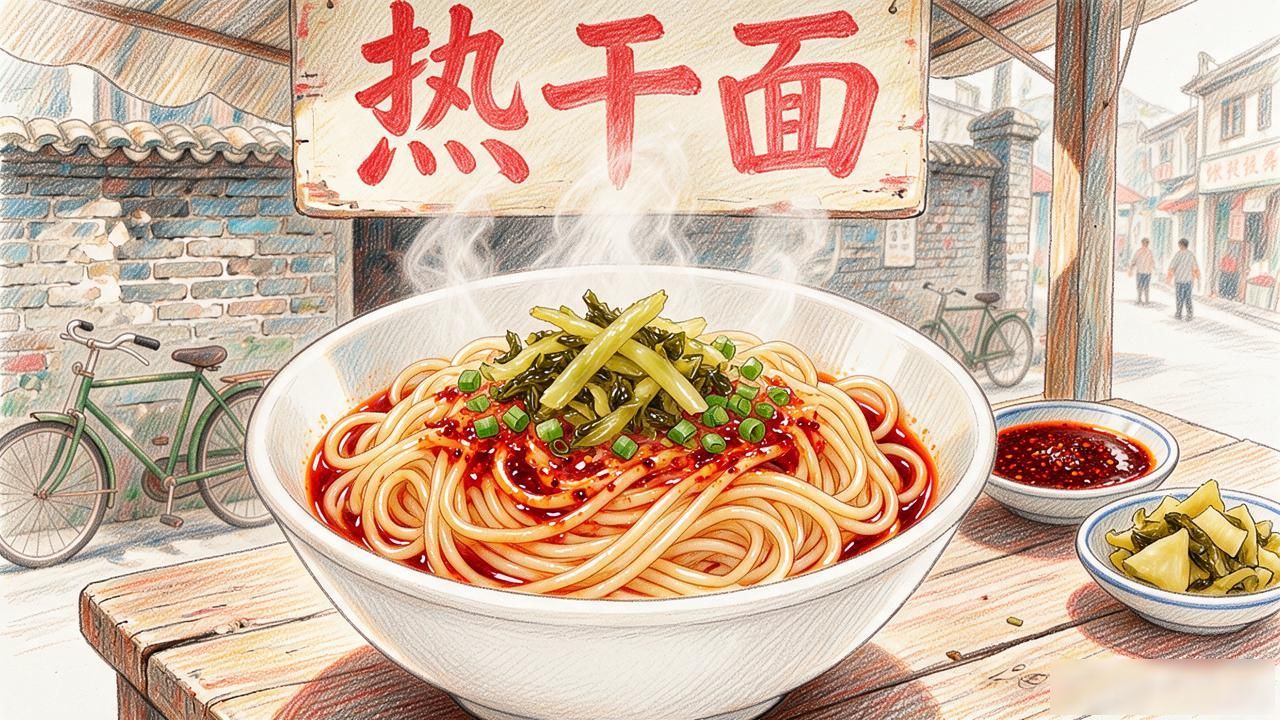
What fascinates me most is how street snacks evolve over time without losing their soul. My friend who studied at Wuhan University recalls her mother teaching her to make reganmiao — dense, crispy rice noodles topped with pickled vegetables and spicy paste. Twenty years later, those same noodles appear in restaurants across the city, but the street versions retain an edge that commercial kitchens simply cannot replicate. The smoky flavor from the open flame, the crunch you hear with every bite — these details matter to locals. They define authenticity.
Where To Find The Best Local Chinese Street Snacks
Finding good street food requires both curiosity and timing. Morning markets around 6 AM reveal the freshest tangyou — glutinous rice balls served in warm, slightly sweet broth. By evening, night markets come alive with grills sizzling, woks tossing at high heat, and the unmistakable aroma of Sichuan peppercorns drifting through humid air. The best local Chinese street snacks are found where locals queue, not where foreign guidebooks point.
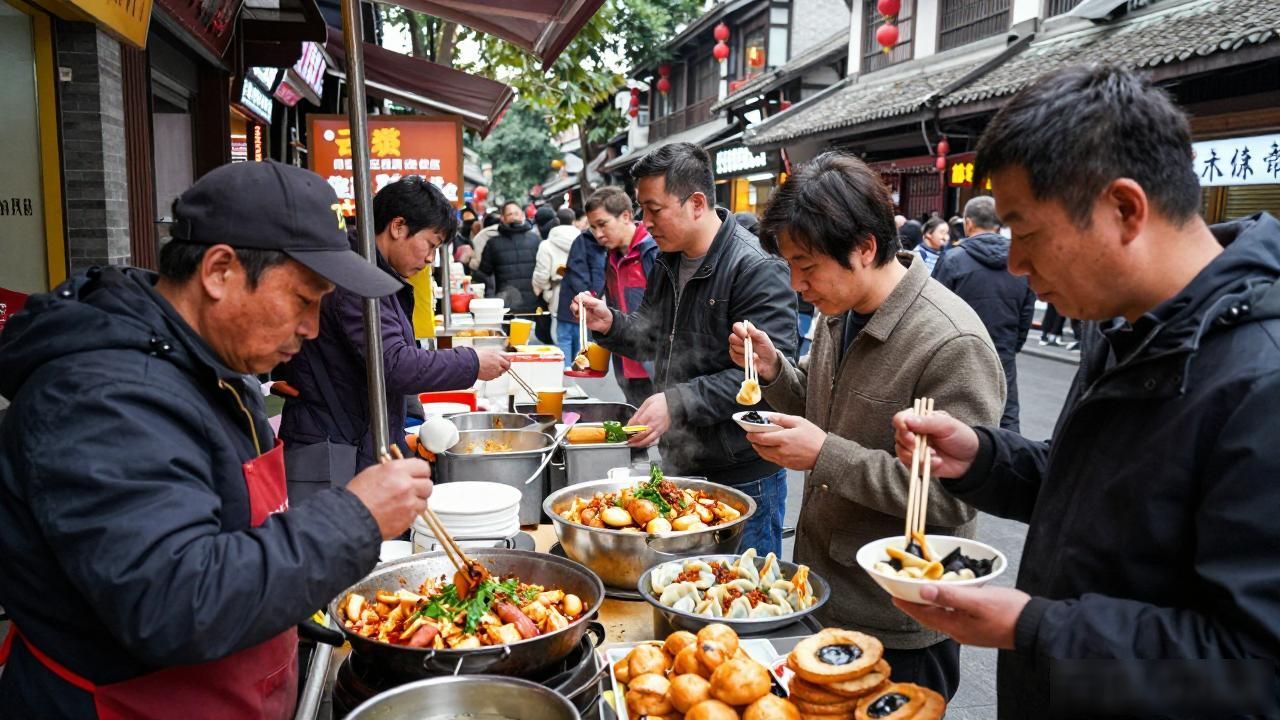
Chengdu’s Yulin Road area offers perhaps the most concentrated street food experience in all of China. Within two blocks, I’ve sampled mapo tofu dumplings, cilantro beef rice rolls, and a mysterious deep-fried pastry filled with red bean paste that changed my understanding of dessert. The vendors here have been working the same corners for decades. They know regular customers by name and can recommend dishes based on your spice tolerance before you even sit down.
In smaller cities and rural towns, the snack landscape shifts dramatically. You’ll encounter things that never appear in big metropolitan food streets — preserved egg wrapped in sticky rice during Dragon Boat Festival, sour and spicy bamboo shoots sold by riverside carts at dawn, corn cakes cooked in clay ovens heated by rice husks. These regional specialties carry the weight of local heritage and often cannot be found anywhere else in China. Street food is memory made edible, connecting people to their childhood neighborhoods and the seasonal rhythms of their homeland.