
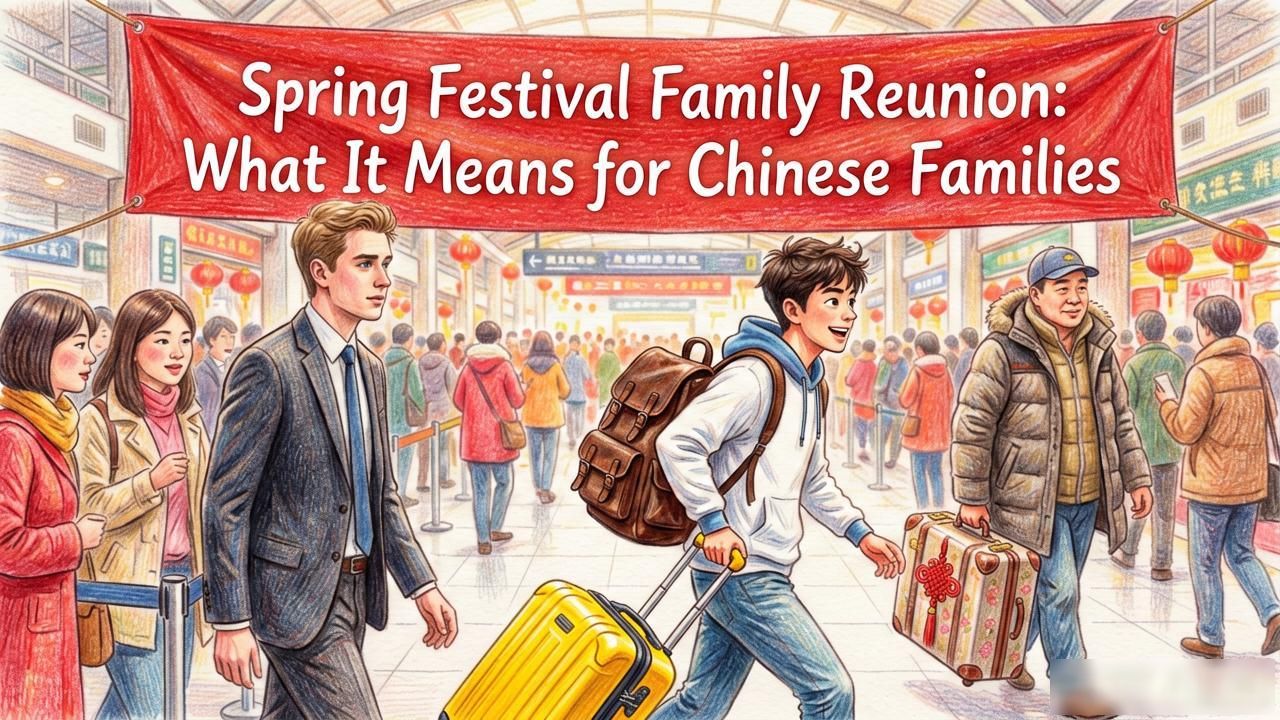
Spring Festival family reunion is the emotional core of China’s most important holiday. For millions of Chinese people, it represents the annual gathering that defines the season. This tradition stretches back thousands of years and remains deeply woven into modern life. Understanding this custom offers a window into Chinese cultural values and family bonds.
What Makes Spring Festival Family Reunion So Important
Chinese culture places extraordinary emphasis on family unity, and nowhere is this more visible than during the Lunar New Year period. The reunion dinner,known as “nianye fan,” serves as the centerpiece of the entire celebration. Families travel across vast distances to return home, creating what the world calls the largest annual human migration.

The journey home matters as much as the destination. Young professionals working in distant cities book months in advance to secure train or plane tickets. Students return from universities across the country. Even those who have built lives abroad make the long trip back to their hometowns. This devotion reflects a fundamental belief that family comes before everything else.
The reunion dinner itself follows careful traditions passed down through generations. Every dish carries symbolic meaning. Fish represents abundance because the word for fish sounds like the word for surplus. Dumplings shaped like ancient gold ingots symbolize wealth. Whole chicken signifies family completeness. These food traditions connect present generations with their ancestors.
How Families Celebrate the Reunion Together
The celebration begins days before New Year’s Eve. Families clean their homes thoroughly to sweep away bad fortune and welcome good luck. Red decorations appear everywhere — lanterns, couplets, and paper cuttings adorn doorways and windows. The color red drives away evil spirits and brings prosperity for the coming year.
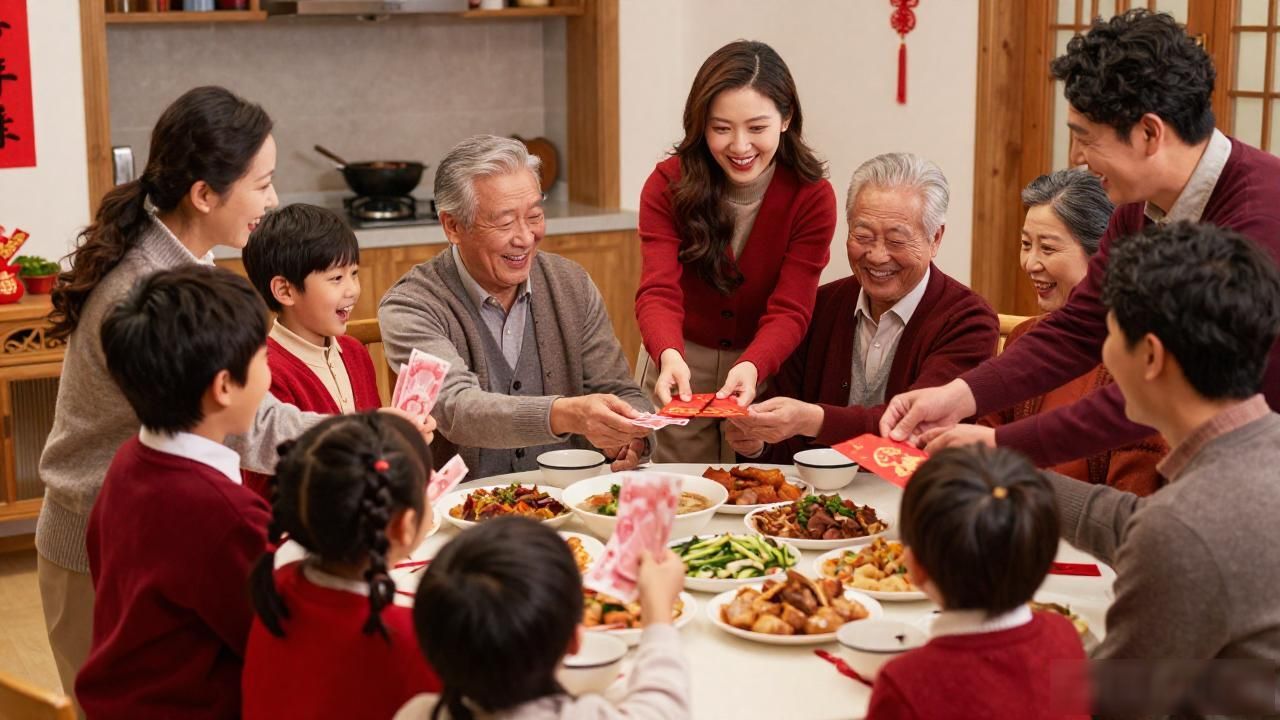
On New Year’s Eve, multiple generations gather under one roof. Grandparents sit at the head of the table while children play nearby. The atmosphere buzzes with overlapping conversations, laughter, and the sizzle of cooking. Elders give red envelopes containing money to younger family members. This gesture blesses children with good health and success in the new year.
Televised galas play in the background as families watch together. The CCTV Spring Festival Gala has become a modern tradition since 1983. People comment on performances, sing along to popular songs, and share snacks throughout the broadcast. The program serves as background music for conversation rather than something everyone watches intently.
Why This Tradition Endures in Modern China
Modernization has not diminished the importance of family reunion during Spring Festival. If anything, urbanization has intensified the longing for home. Young people who moved to cities for work and education feel the pull of their hometowns more strongly each year. The reunion becomes a moment to reconnect with roots and remember where they came from.
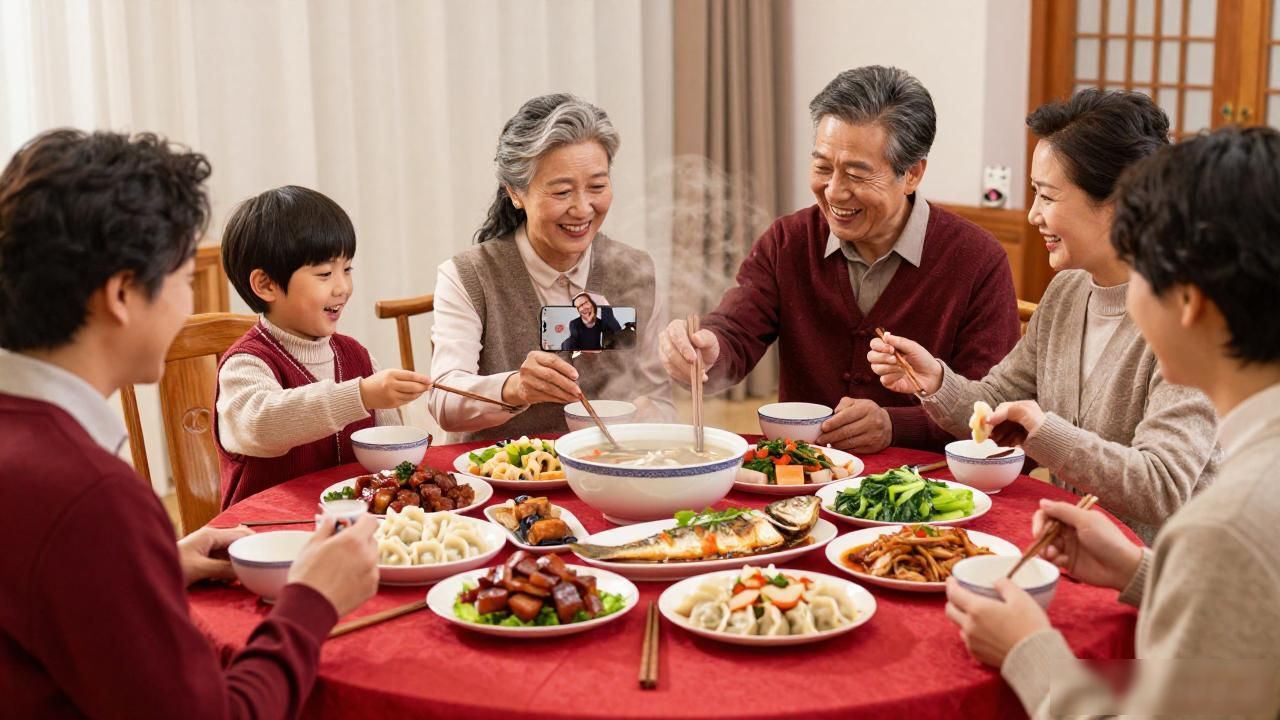
Technology has changed how families maintain connections throughout the year. Video calls keep distant relatives in touch between holidays. Social media shares festival moments instantly. Yet none of these substitutes replace the physical presence required on New Year’s Eve. The reunion dinner cannot be replicated through a screen. The warmth of being together in the same room carries irreplaceable value.
This tradition also strengthens community bonds beyond the immediate family. Relatives who rarely see each other reconnect during the festival. Old friendships are renewed. Neighbors exchange visits and gifts. The entire social fabric tightens during this period, creating support networks that last throughout the year.
Spring Festival family reunion remains one of China’s most cherished traditions because it speaks to something universal — the deep human need for connection with family and home.