Spring blossoms in China are far more than cherry petals drifting over a mountain temple or pink clouds in Yunnan’s Dali old town. Hidden across remote villages, muddy riverbanks, and hillside terraces, lesser known varieties of flowering plants paint the countryside in colors most travelers never catch. These quiet blooms ask for no crowds, no entry fees, no red guidebook icons. They simply open when the frost retreats, and that’s that.
Which spring blossoms in China are lesser known

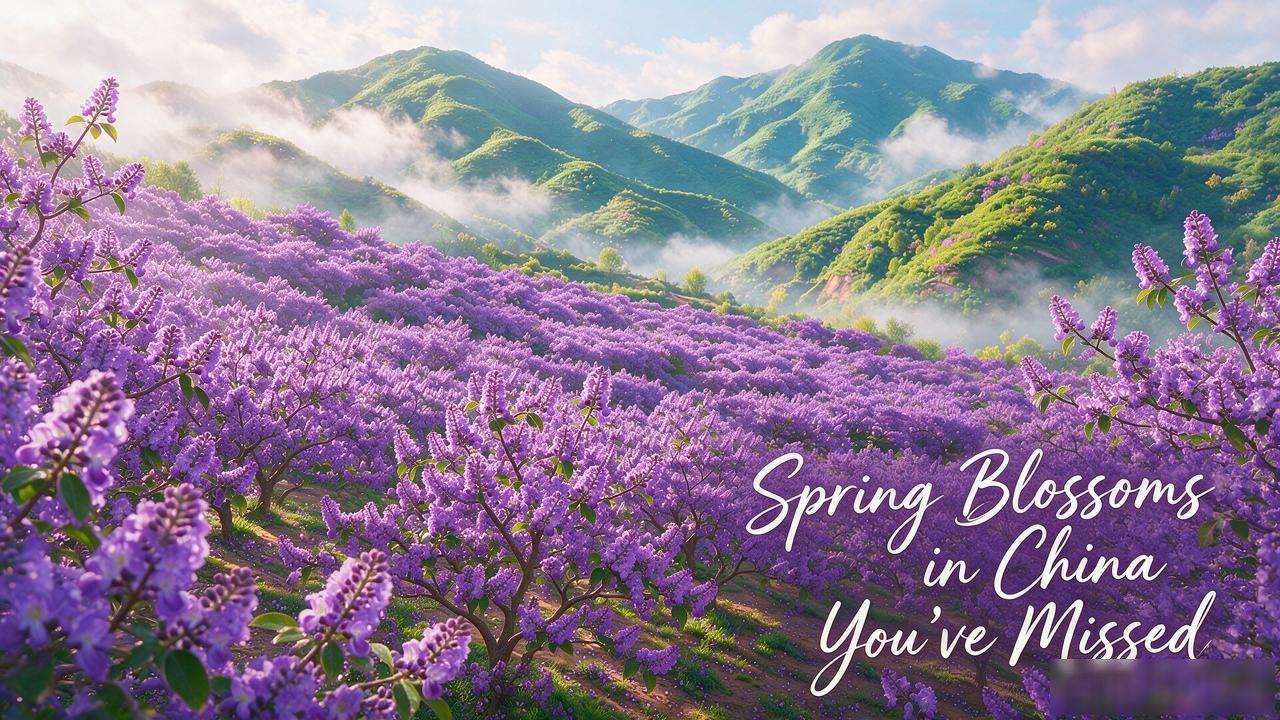
The wutong (Paulownia) tree explodes in dense purple-violet clusters each April across central Hunan and the southern Zhejiang foothills. Yet almost no foreign visitor bothers to photograph it. A few kilometers further north,the magnolia denudata of Anhui’s mountain towns unfurls creamy-white, lantern-shaped flowers in early March, often mistaken for linden or even pear blossom by casual eyes. Both species are deeply woven into local farming calendars and carry no tourist signage whatsoever.
In the Li River valleys of western Guangxi, honey locust (Robinia) and native osmanthus drop long pink and white drapes over cliff-face waterfalls in late March. Local families pick the locust blossoms that very morning and fry them into crisp, tempura-style snacks, selling paper plates at roadside stalls for about ten yuan. No travel blog has listed these stops.
Where lesser spring blossoms grow in China
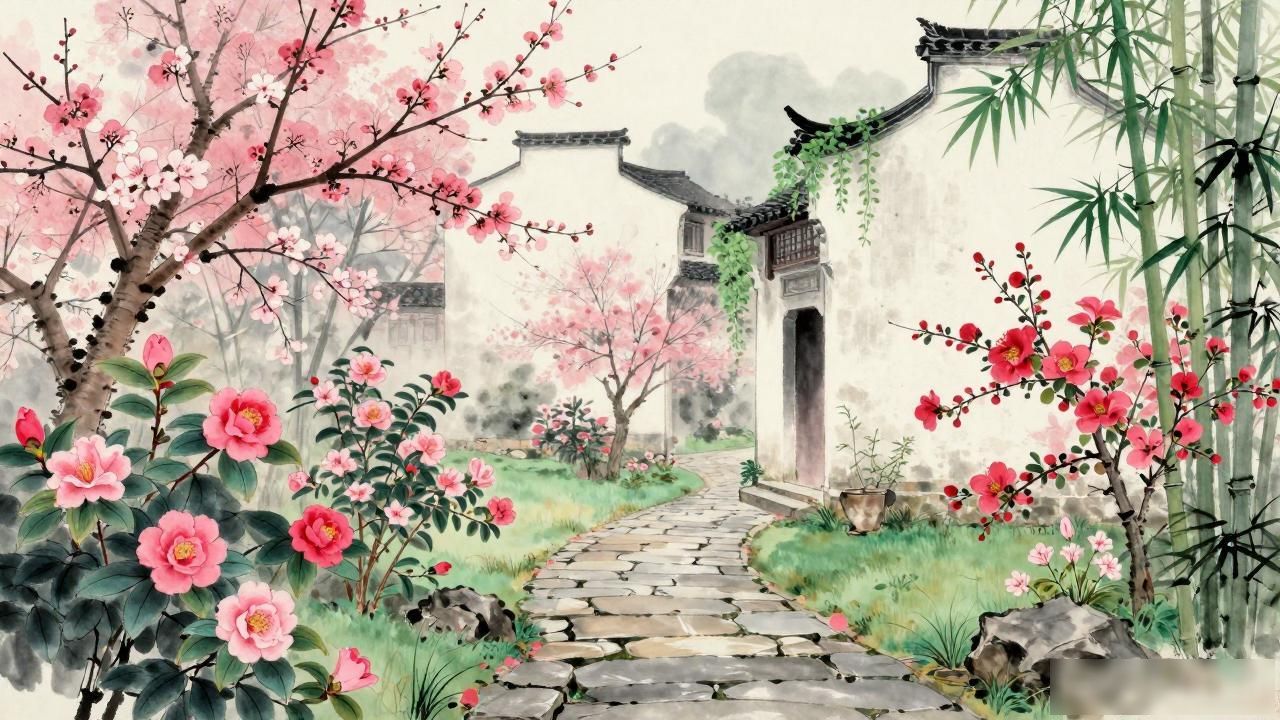
The ginkgo groves of Yunnan’s Diqing Prefecture turn a startling pale gold from September all the way into November, straddling the tail of summer and the first sharp chill at high altitude. Below them, apricot and peach orchards carved into the terraced slopes of Hanyin County burst into a rosy pink mist by early March. Standing in the middle of those rows, the scene looks painted rather than real.
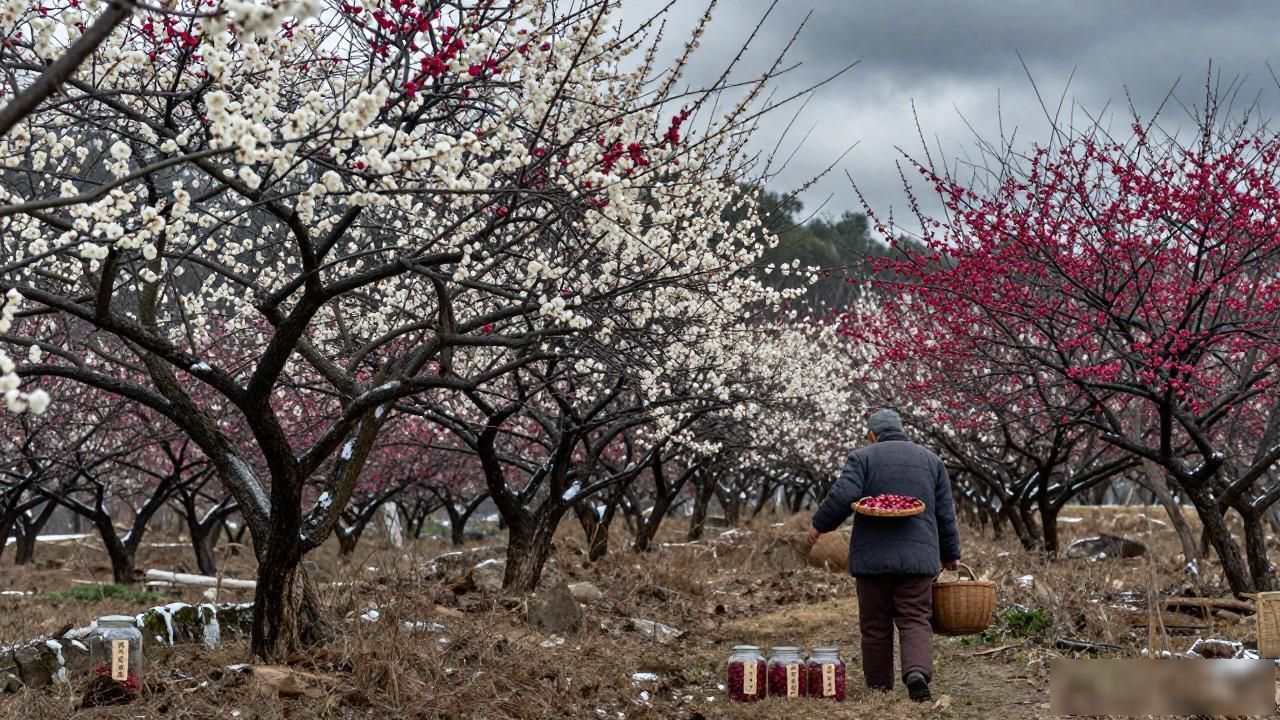
Walk the ancient plum groves just outside Wenzhou in February and you’ll find snow-white and deep-crimson blossoms clustering tightly on bare, black branches while the rest of the country is still a flat, drab grey. Older villagers press the fallen petals into a thin herbal tea and sell glass jars to curious passersby for a few coins, shrugging when you ask why no one has bottled the recipe.
These flowers don’t need a highlight reel or a viral post to justify their existence. They bloom where no selfie stick has reached, asking only for a slow walk and a pair of open eyes. Next time spring rolls into China, skip the checkpoint lines and follow the scent instead.