
Shenzhen was a fishing village until 1979. Now you can eat an ¥8 bowl of hand-pulled noodles off a side street and ride a bullet train to Guangzhou in 32 minutes,all before lunch. Most Shenzhen travel guide articles are written by people who bounced off the airport terminal, snapped a photo of the skyline, and called it a day. This one isn’t. It’s written from the ground, the kind where your shoes get sticky from summer humidity and you’re reading a menu in Chinese with your phone translation app open.
where to eat Shenzhen travel guide

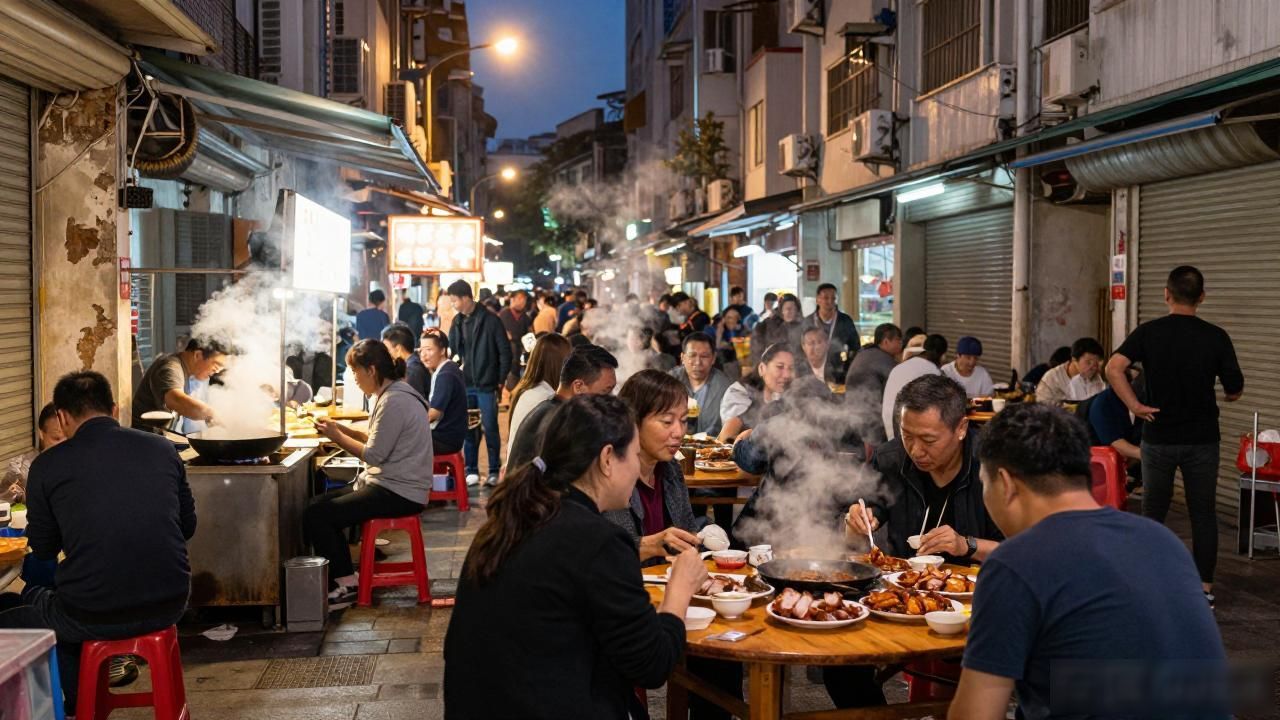
Skip the food courts inside the malls. They’re polished, overpriced, and serve the same chicken teriyaki you’d get at an airport anywhere. Go to the Huaqiangbei back streets after 7pm, when the wok-smoke is thick and the locals are still hunched over their tables. A plate of crispy-skin pork from a stall with no English menu, plus a bowl of ginger-and-oyster congee, will cost you less than one bite in Shanghai’s French-restaurant district. The stall doesn’t have a name on Google Maps. That’s the point. You find it by following the smell of charred garlic and the sound of sizzling tongs.
If you want something sit-down, head to Nanshan District’s Hengfeng Road. The tiny fish restaurant wedged between a phone-repair shop and a laundromat does steamed whole sea bass that’ll make you question every meal you’ve had this trip. Order the vinegar-and-soy dip on the side. Tell them “sheng wei zhen” if the server looks at you blankly. It’s worth the effort.

how to move around Shenzhen travel guide
You do not need a car. You don’t even need to decode the metro map. WeChat Pay and Alipay handle every bus, metro line, and shared bicycle in the city. Open Alipay, tap the ride icon, and you’re moving. Metro stations are deep underground, but the English signage is actually decent here—unlike half the Chinese cities I’ve covered over the years. The station maps are clean, the exits are numbered, and you can get from Line 1 to Line 11 without asking a single person for help.
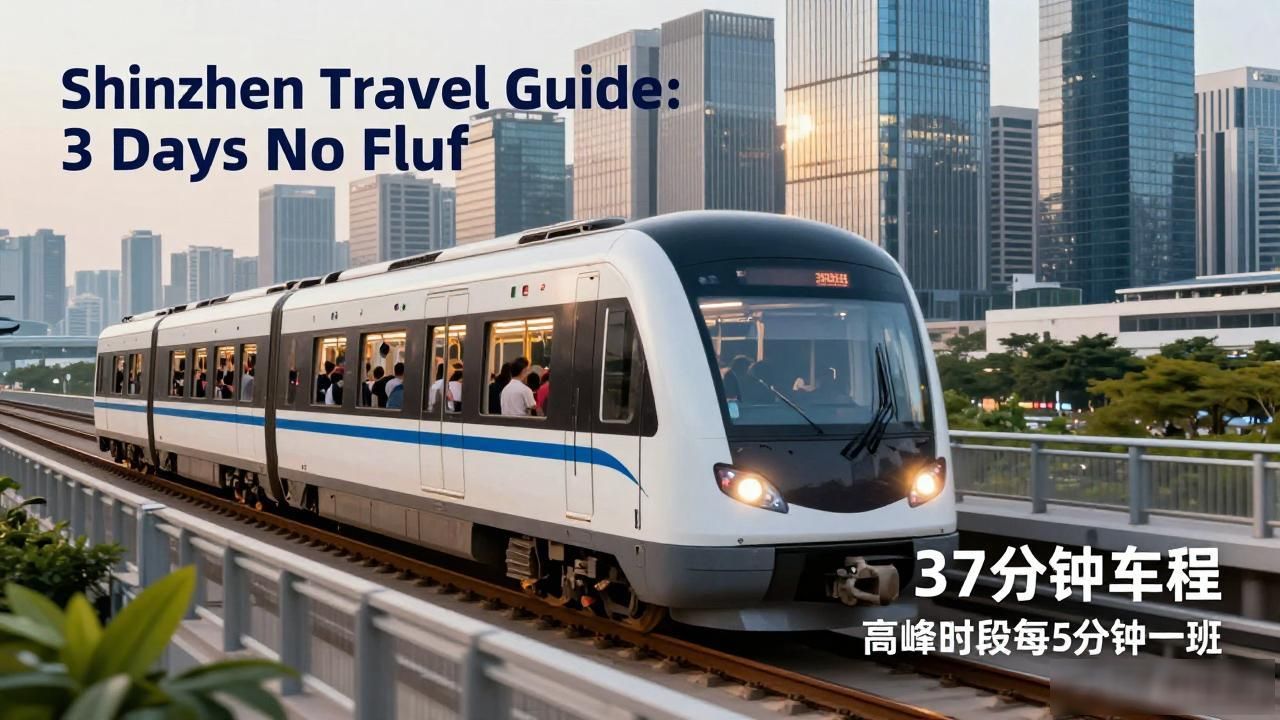
One thing most guides miss: the airport express to Futian takes 37 minutes and runs every 5 minutes on the peak hour. If your hotel is in Nanshan, hop Line 11 straight through with no transfer. Saves you an hour of taxi-haggling at 6am when your brain is still on home time and you’re staring at a meter you can’t read while the driver looks at you with patient, exhausted eyes.
Three days is enough to get the rhythm of the city. Bring a little cash for the street stalls where Alipay occasionally glitches, pack a power bank, and leave the itinerary loose. The best moments in Shenzhen are the ones you didn’t plan—the random alley, the overcooked dumpling that somehow hits right, the sudden rain on a rooftop bar that turns the whole skyline into a watercolor.