
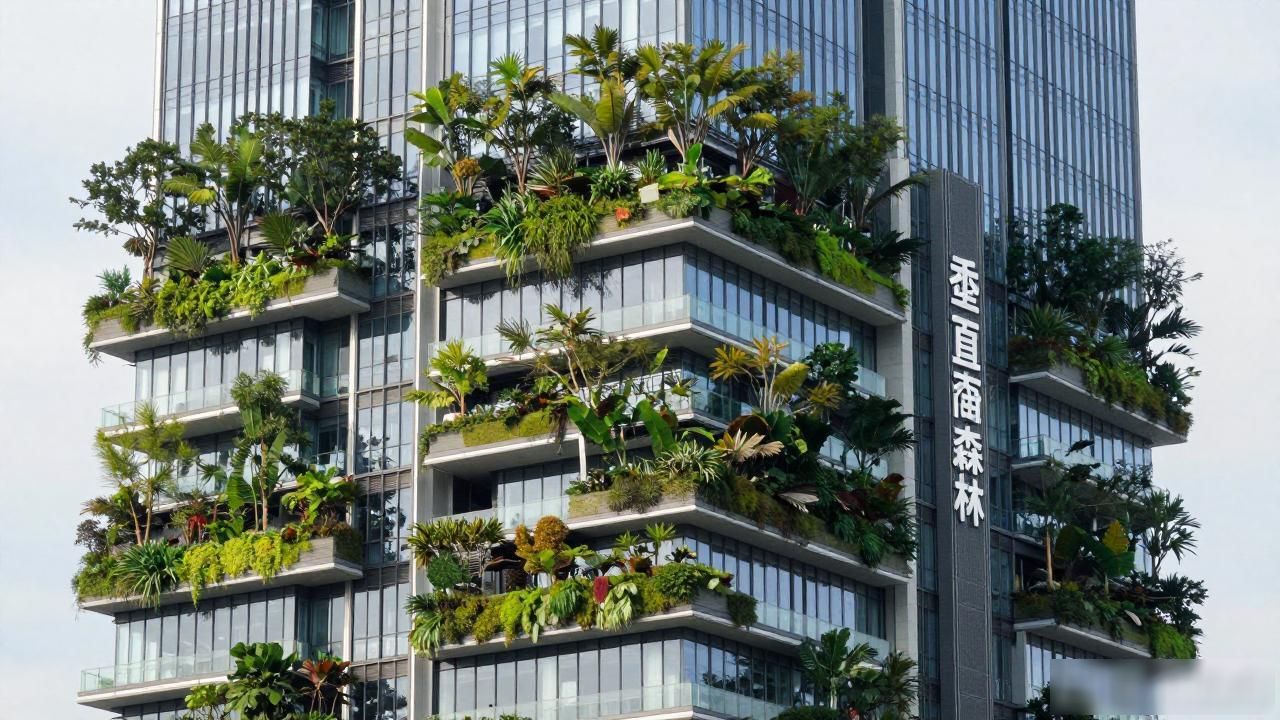
I’ve spent four years walking through Shenzhen’s built environment, and the city keeps throwing new surprises at me. What started as a cluster of fishing huts in the 1980s now packs a skyline density that reads almost like a Manhattan rendering. Grasping Shenzhen modern architecture in 2026 means accepting that speed, scale, and embedded green technology have quietly rewritten the playbook for what “modern” even looks like.
What defines Shenzhen modern architecture

The defining trait isn’t just another row of glass towers. It’s the verticality married to living systems. The “Vertical Forest” language shows up here in projects by Kengo Kuma and local Shenzhen studios, where cantilevered terraces host actual tree canopies sixty stories up. The municipal planning bureau mandates a minimum of forty percent green coverage on every new development plot, which forces structural engineers to rethink load distribution and rooftop irrigation in ways a Tokyo or Seoul firm simply never has to.
What genuinely strikes me is the speed of iteration. A residential complex that in Shanghai eats six years of design-and-build cycles gets compressed to roughly three here. The government’s one-stop digital portal lets architects file every permit in a single upload. You can watch it happen in Nanshan district,where new structures break ground almost quarterly.
Why Shenzhen modern architecture matters
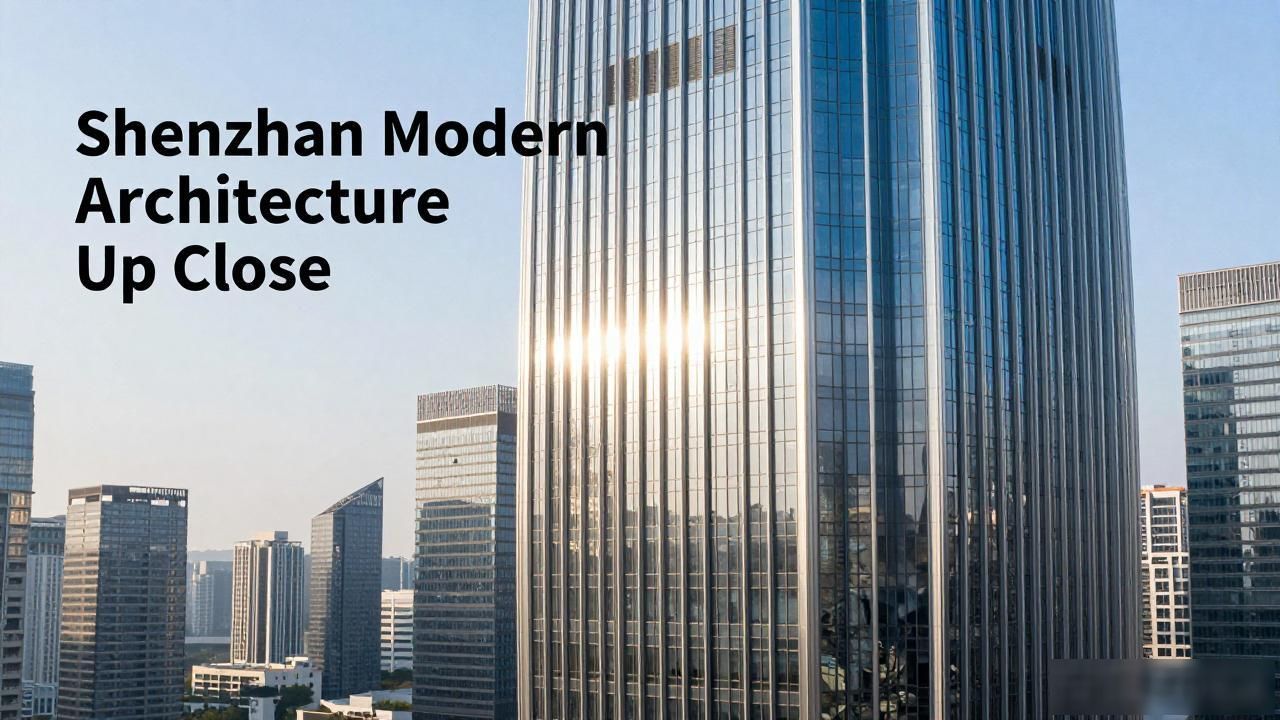
This isn’t a purely aesthetic question. The buildings here function as a living laboratory for post-pandemic urban life. Developer Momo, formerly Vanke, has threaded shared co-working floors into residential towers, dissolving the line between home and office. The Bao’an district is testing modular prefabricated sections designed to be reconfigured every decade, quietly challenging the old assumption that a building must be static for fifty years.
For anyone tracking how Asian megacities are absorbing density, Shenzhen offers a case study unlike anywhere else. The resident population doubled between 2010 and 2025, and the new architecture absorbed that surge without a single large-scale eviction of old urban villages. That tension—preserving grassroots communities while stacking glass and steel above them—is where the city’s real architectural drama lives.
Next time you’re on the Ping An Finance Centre observation deck, don’t just frame the skyline for Instagram. Tilt your gaze downward at the narrow lanes threading between the towers. That layered contrast is where the city’s actual story is being written, one construction permit at a time.