
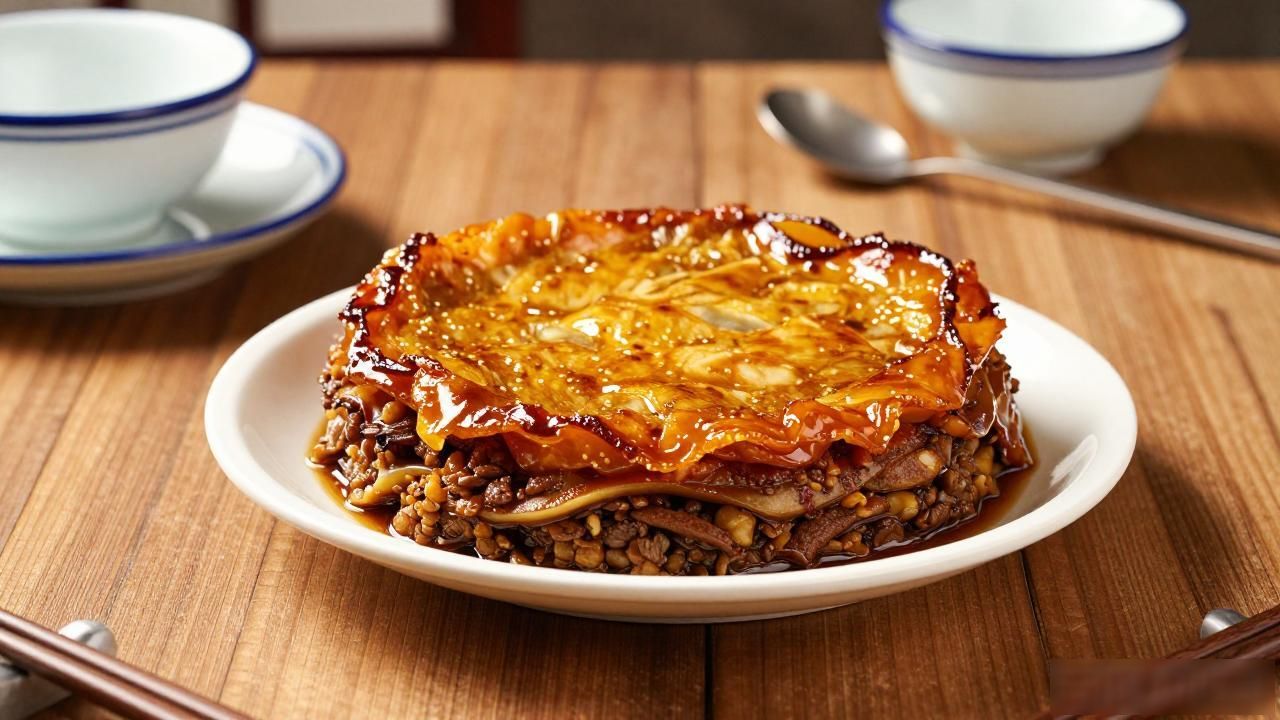
Shanghai local cuisine is far more than just dumplings and sweet braises—it is a culinary tradition shaped by centuries of trade, migration, and coastal geography. The flavors lean toward a balance of sweet and savory, with an emphasis on fresh ingredients, slow cooking, and intricate preparation. If you are planning a trip or simply curious about what makes this cuisine unique, understanding its origins and signature dishes will help you navigate the food scene with confidence. This guide breaks down the essentials so you know exactly what to expect and where to find it.
What defines Shanghai local cuisine
Shanghai food carries the DNA of the Jiangnan region, where rice, waterways, and a temperate climate dictate the ingredients available year-round. Fish, pork, bamboo shoots, and seasonal vegetables form the backbone of the pantry, while sugar and soy sauce appear in nearly every savory dish. The cooking style favors braising, stewing, and steaming over frying, which gives the food its characteristic rich yet balanced taste.

One thing sets it apart from neighboring Zhejiang or Fujian cuisines—Shanghai embraces sweetness more boldly. A typical home-cooked meal might feature dishes that taste almost caramelized, yet the saltiness underneath keeps everything from crossing into dessert territory. This duality is what makes the food memorable, and it explains why first-time visitors are often surprised by how much sugar appears on the table.
Street food and small eateries add another layer. You will find vendors selling scallion pancakes,deep-fried glutinous rice balls, and savory buns alongside more refined restaurant offerings. The best Shanghai local cuisine often comes from places that have served the same recipes for decades, not necessarily the ones with the longest menu.
Must try Shanghai local dishes
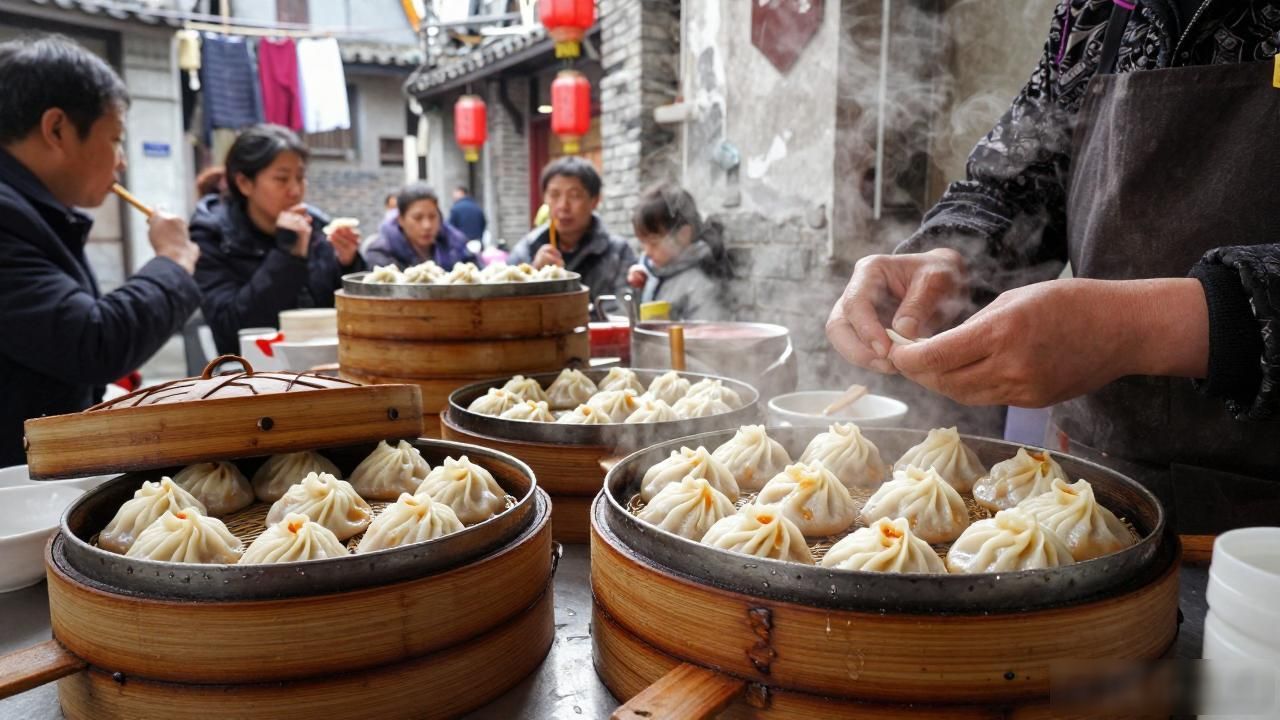
Xiaolongbao, or soup dumplings, is the dish most foreigners associate with Shanghai, but limiting your experience to it would be a mistake. The delicate wrappers hold broth that explodes when bitten, and the technique required to make them properly is genuinely impressive. Visit a dedicated stall rather than a chain, and watch the chef fold each pleat by hand.
Red braised pork belly, known as hong shao rou, is another cornerstone. Pork shoulder is slow-cooked in soy sauce, rock sugar, and aromatic spices until the fat melts and the sauce coats every bite. It is rich, deeply savory, and pairs beautifully with plain steamed rice. Many locals consider this the ultimate comfort food.
Do not leave without trying hairy crab during autumn months. These crabs are steamed and eaten whole, often with ginger vinegar to cut through the richness. Seasonality matters here—October and November deliver the plump, roe-filled versions that make this dish worth the effort of picking it apart at the table.
Where to eat authentic Shanghai local cuisine
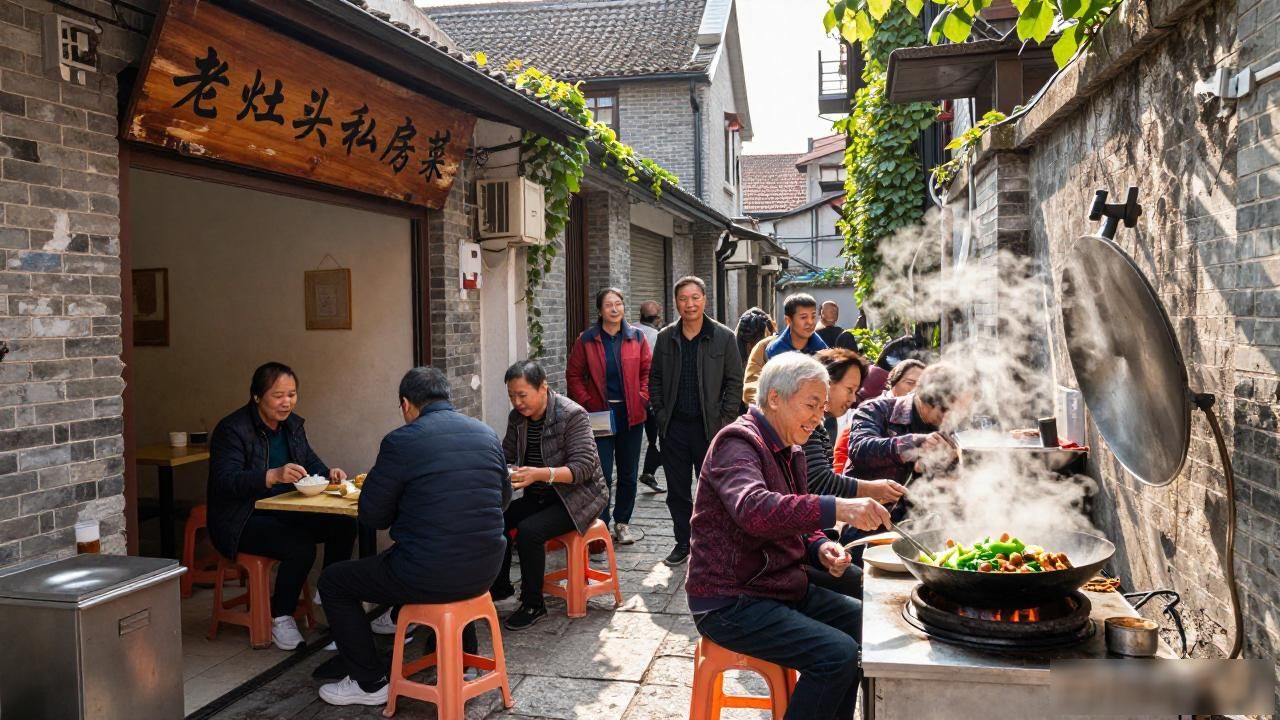
Nanjing Road and Yu Garden attract tourists, but the real flavor lives in older neighborhoods like Xintiandi, French Concession, and the lanes near Huangpi Road. Small shops with handwritten menus, plastic stools, and steam rising from woks are where locals eat. Look for places with long lines of regulars, not Instagram-worthy interiors.
Breakfast is the easiest entry point. A bowl of congee with pickled vegetables, a plate of youtiao (fried dough sticks), or a cup of soy milk from a corner stall will introduce you to the everyday side of Shanghai food. These moments matter just as much as the fancy dinner reservations.
For a sit-down experience, seek out family-run restaurants that specialize in one or two dishes rather than attempting everything. The owners often pride themselves on consistency, and the result is food that tastes like it has been perfected over generations, not created by a focus group.