
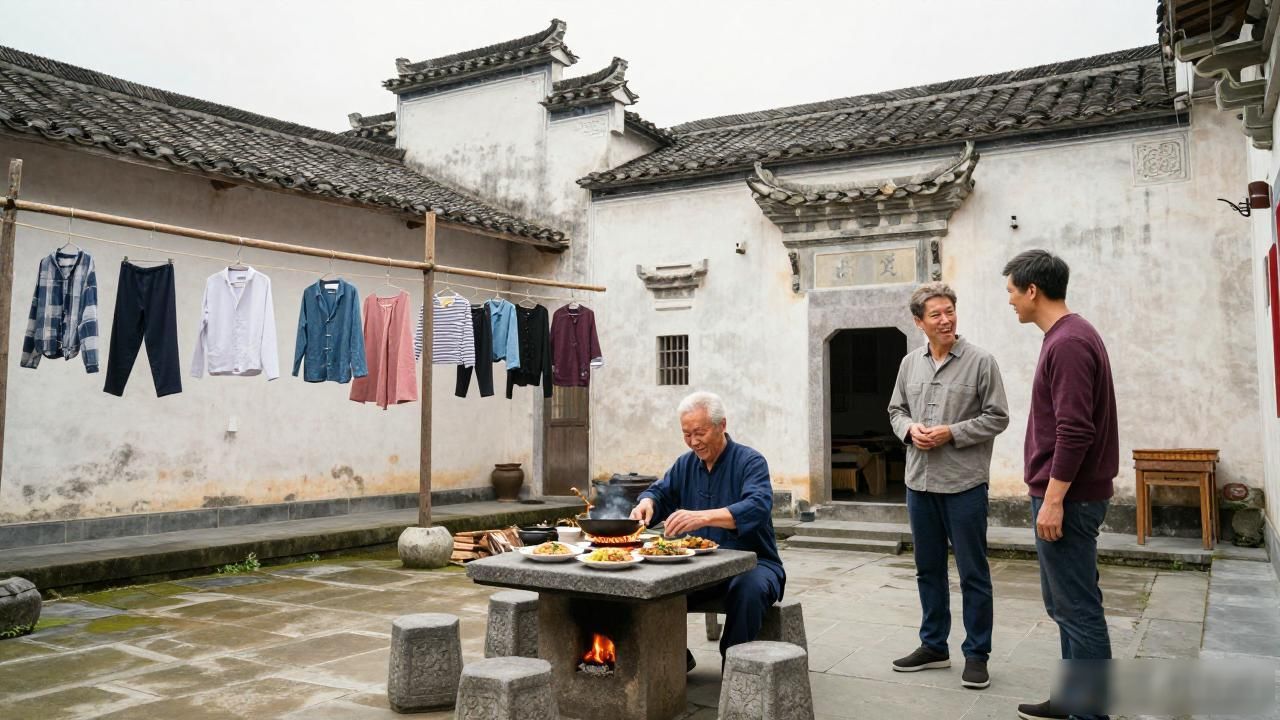
I spent two weeks in a village in western Yunnan last spring, and I can tell you the rural homestay experience in China is nothing like the postcard version. It’s messy, loud, and genuinely one of the most grounding things you’ll do as a traveler. No brochure captures the smell of a wood-stove kitchen or the sound of a dozen chickens arguing at dawn.
Rural homestay experience in China: is it safe

The short answer: yes. Villages in places like Hongcun in Anhui or Shaxi in Yunnan are well-traveled routes. You’ll meet other foreign guests, the hosts speak basic English, and the food is home-cooked, not mass-produced. I knocked on a door one afternoon, was met by an 80-year-old woman who couldn’t speak a word of English, and within twenty minutes I was eating three-egg fried rice that destroyed everything I’d had the previous week. She patted my head. I cried a little.
What catches people off guard isn’t danger. It’s the sheer sensory overload. Pigs in the alley. A neighbor’s karaoke blasting at 9am. The bathroom, which is a squat toilet you figure out without any instruction. You adapt by day three or you don’t. There’s no in-between, and that’s where the real cultural exchange happens.
Rural homestay experience in China: what to expect
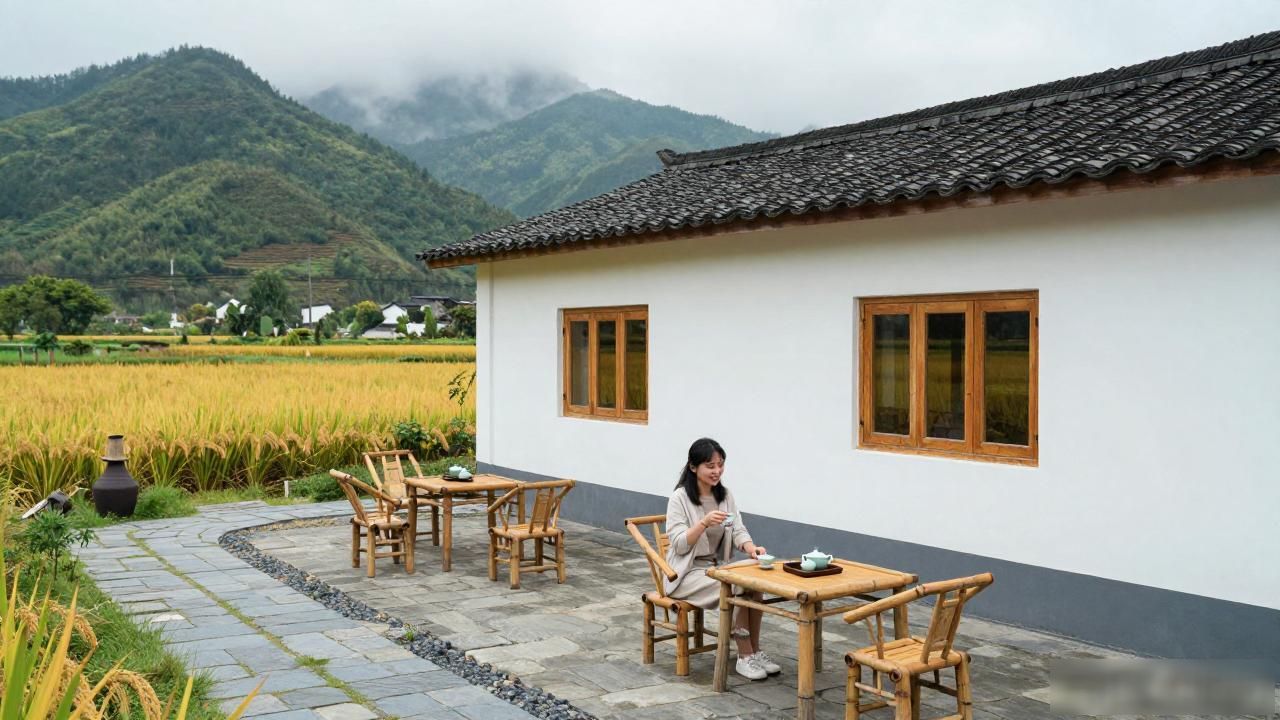
Budget roughly 80 to 150 yuan per night for a decent room with a private bathroom. You’re paying for the bed,yes, but also for the grandmother who will sit you down for a meal you didn’t order, the dog that follows you around the compound, and the total absence of a Wi-Fi password. That last part is the whole point. You put your phone in a drawer and actually talk to a person who doesn’t know your name or your social media handle.
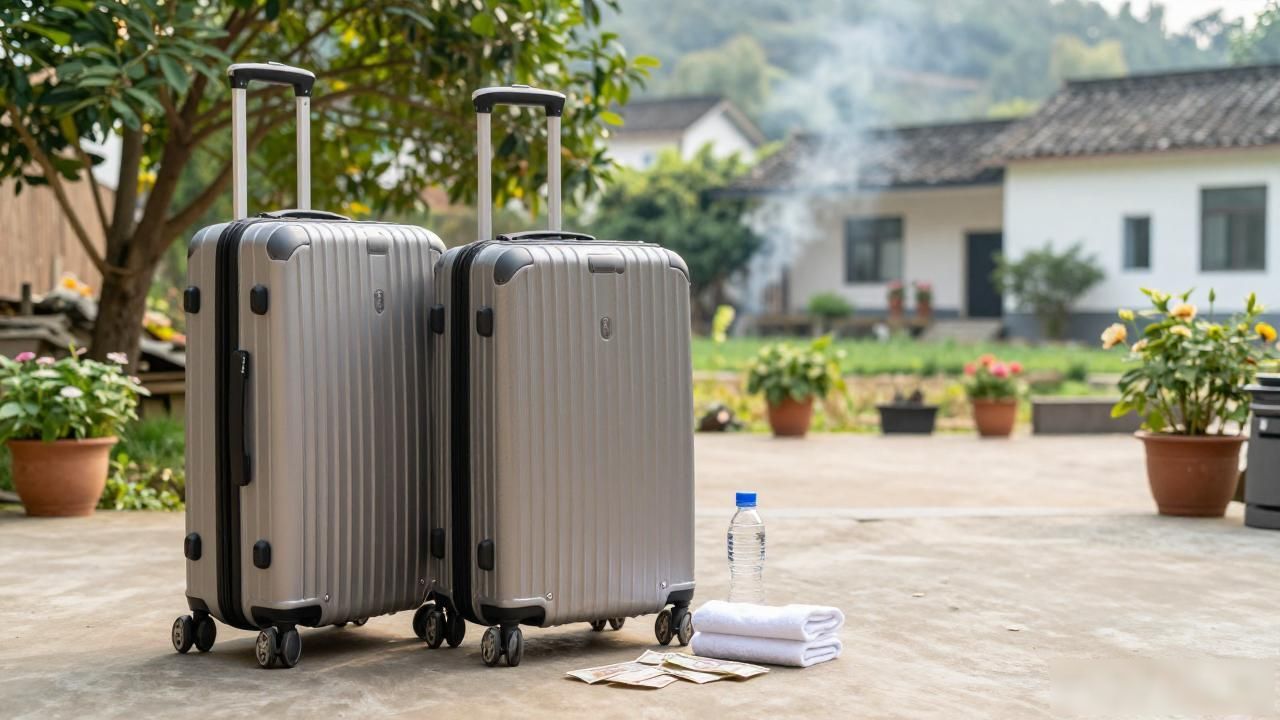
Pack light. Your host won’t care about your suitcase. Bring a small towel if you’re fussy, a bottle of water, and some cash in small bills for the village shop. The one thing I’d change from that trip: stay three nights minimum. Two days is a photo op. Three days is a life. You stop performing for the camera and start existing in the rhythm of the place.
I’m not a nostalgia guy. I don’t romanticize rural poverty or pretend the squat toilet was some “authentic” journey. But I walked out of that Yunnan village with a headache from too much laughter and not enough sleep, and I wouldn’t trade it for any five-star lobby in Shanghai. The best part of China isn’t in a museum. It’s on a plastic stool in someone’s courtyard, eating soup that’s too hot, listening to stories you’ll never fully understand.