
Rural China’s handicraft traditions carry centuries of cultural wisdom, passed down from generation to generation in quiet villages far from modern urban centers. These handmade objects are not mere decorations but living testaments to the creativity and resilience of ordinary people. For those seeking authentic connections to Chinese culture beyond glossy tourist products, understanding rural handicrafts opens a door to something far more meaningful.
What Are Traditional Chinese Handicrafts
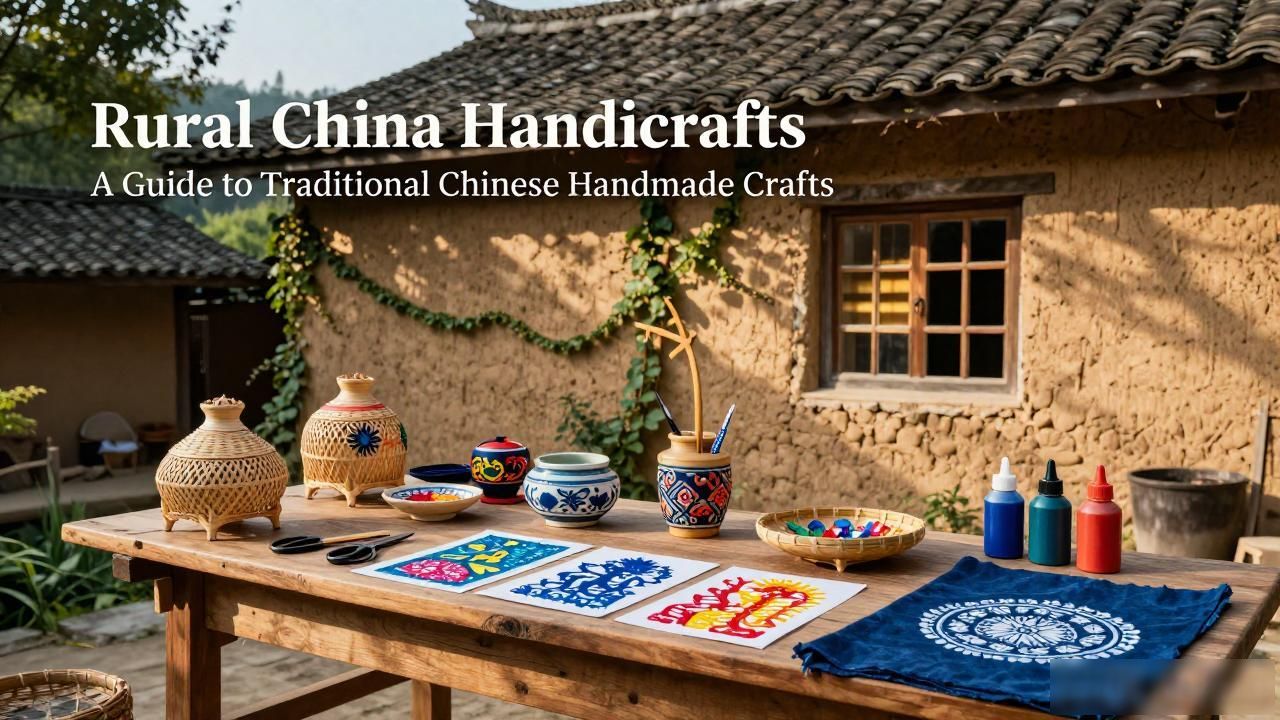
Paper cutting stands as one of the most recognizable forms, with delicate red designs adorning windows and doors across countless villages. Artists transform single sheets of paper into intricate scenes featuring animals, flowers, and mythological figures. Each region develops its own distinctive style, reflecting local aesthetics and folk beliefs.

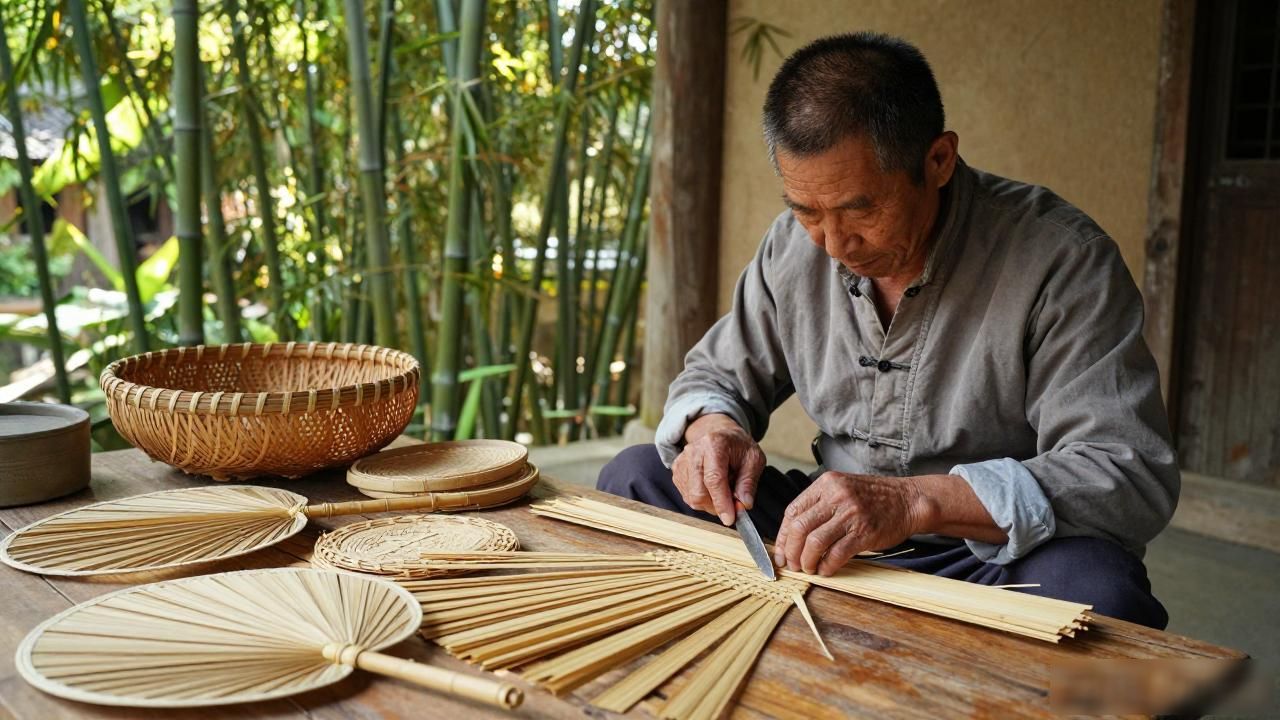
Bamboo weaving represents another cornerstone tradition. Skilled artisans in provinces like Zhejiang and Fujian shape bamboo into baskets, mats, fans, and even entire furniture pieces. The process demands years of practice,as each strand must be selected, split, and woven with precision. What begins as a humble plant becomes something both functional and breathtakingly beautiful.
Wood carving reaches extraordinary heights in places like Fujian Province, where craftsmen produce detailed screen panels, temple decorations, and household objects. These pieces often depict historical stories, religious scenes, or natural landscapes with astonishing fine detail. Each carving tells a story that connects the maker to ancestors and traditions spanning hundreds of years.
Clay figurines and porcelain from rural workshops add further richness to this tapestry of crafts. Villages in Jingdezhen, though famous globally, still maintain smaller family-run studios producing pieces that differ markedly from mass-market alternatives.
Where to Find Authentic Rural Chinese Crafts
Local markets, often called day markets or morning markets, serve as the primary marketplace where rural artisans display and sell their work. These gatherings typically occur on schedule throughout the week in different villages across the countryside. Visitors can observe artisans demonstrating techniques, ask questions directly, and purchase items at fair prices.
Craft villages concentrate entire communities around specific production methods. Places like Huizhou wood carving villages or Shaoxing straw weaving towns welcome curious travelers. Here, workshops double as demonstrations, allowing visitors to watch creation processes unfold before their eyes. Some villages even offer hands-on workshops where guests learn basic techniques themselves.
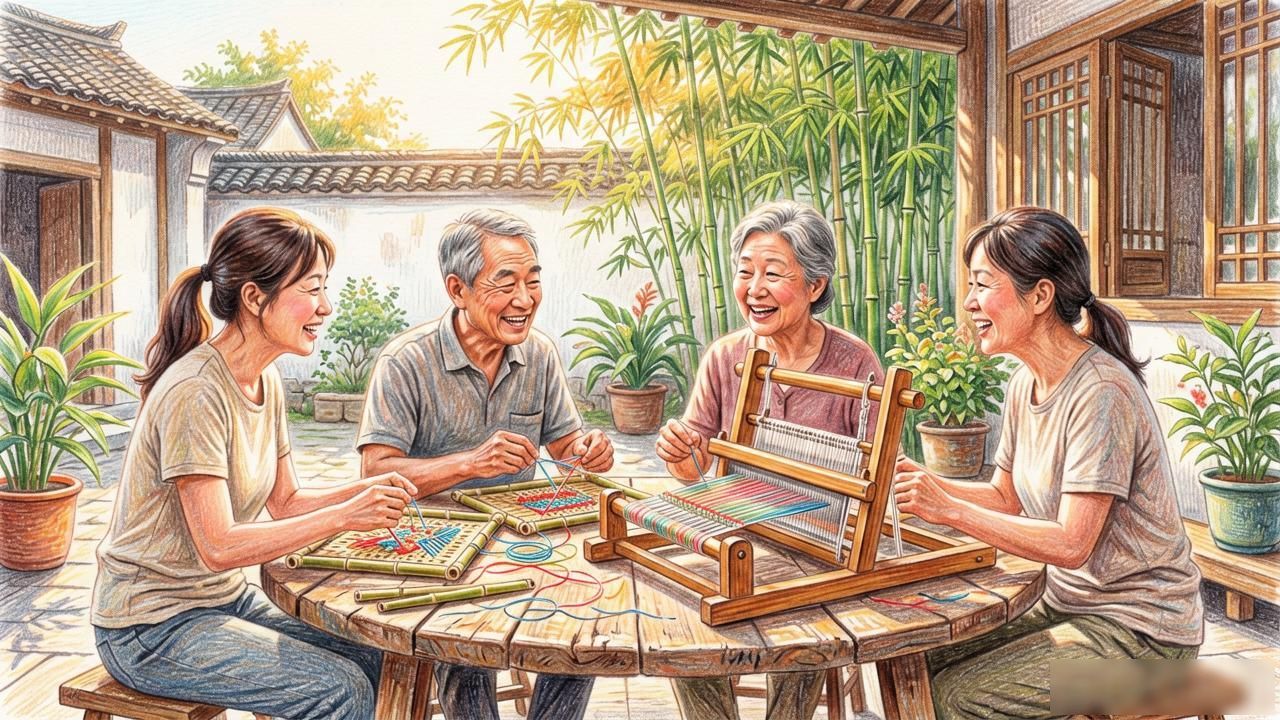
Homestay stays provide another authentic entry point. Many rural families now host international visitors, sharing daily craft activities alongside meals and conversations. Through these personal exchanges, travelers gain insight into lives and traditions that remain largely invisible to casual observers. Supporting these crafts means supporting real families rather than faceless corporations.
Travelers should approach purchases mindfully. Bargaining exists but should remain respectful, acknowledging the hours of skilled labor embedded in each piece. Taking photographs of artisans working and asking about techniques shows genuine interest that most craftsmen deeply appreciate.