If you’ve been doom-scrolling food reels and your stomach won’t stop growling, consider this your shortcut. I’ve spent three years eating my way through Chengdu, Guangzhou, and Shanghai, and I’m cutting through the noise. What follows is a no-fluff breakdown of which popular Chinese food dishes actually deliver, why they rewire your taste buds, and how you can get close to the real thing in a home kitchen.
Which Popular Chinese Food Is Easiest to Cook

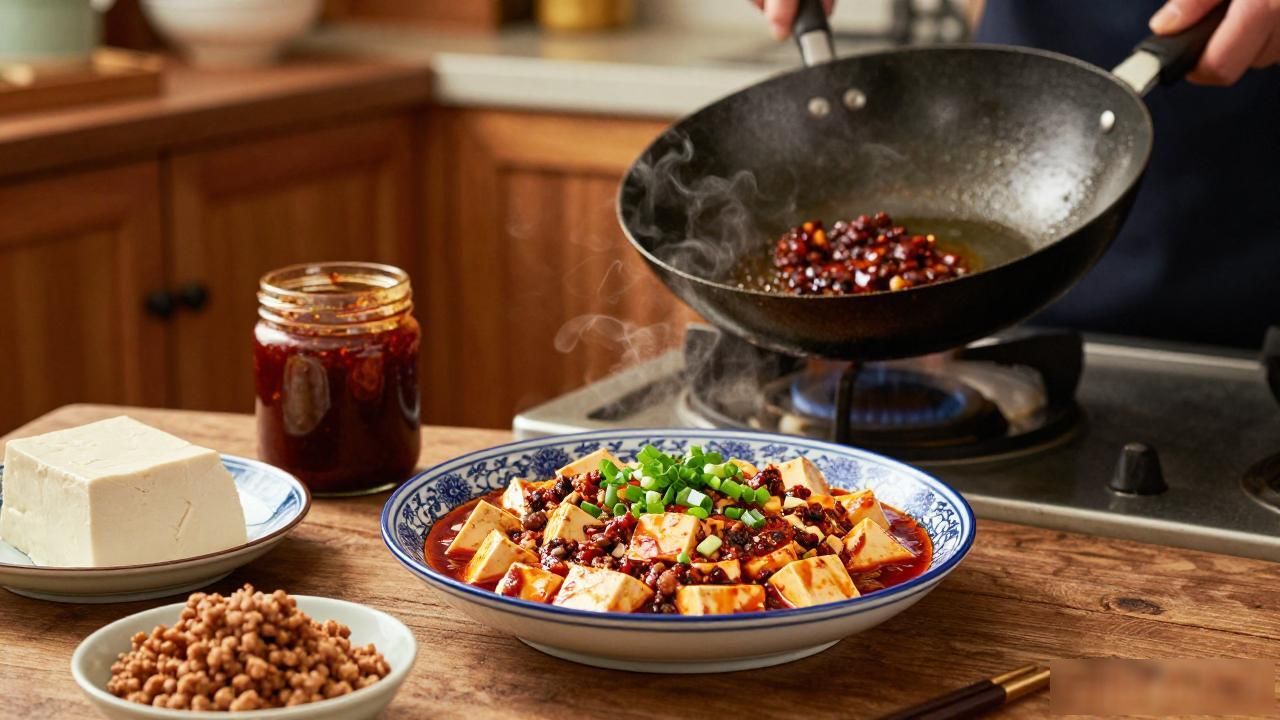
Mapo tofu is the dish I reach for when I want a quick, punchy dinner that still slaps. You need silken tofu, a spoonful of doubanjiang, minced pork, and a handful of chopped scallions. That’s the whole list. The magic lives in toasting the doubanjiang in hot oil until it goes brick-red — that single step transforms a flat, one-note sauce into something smoky, funky, and deeply savory. Ten minutes on a stove and you’re done.
Scallion pancakes, or conyou bing, beat every other “easy” option in my book. Mix flour with sliced scallions, a pinch of salt, and hot water. Let it rest twenty minutes,press the dough thin, and pan-fry until both sides go golden. Those flaky, shattering layers you tear off with your fingers? Nothing else on the menu gives you that crackle-and-chew payoff.
What Makes Popular Chinese Food So Addictive
It comes down to layering. One plate of kung pao chicken stacks sweet, sour, salty, the tongue-tingling numbness of Sichuan peppercorns (which no regular pepper can fake), and a slow burn from dried chilies. Your brain receives a sequence of flavors, not a single flat note. That pattern is genuinely hard to walk away from, and it’s why you keep reaching for the next bite without thinking.
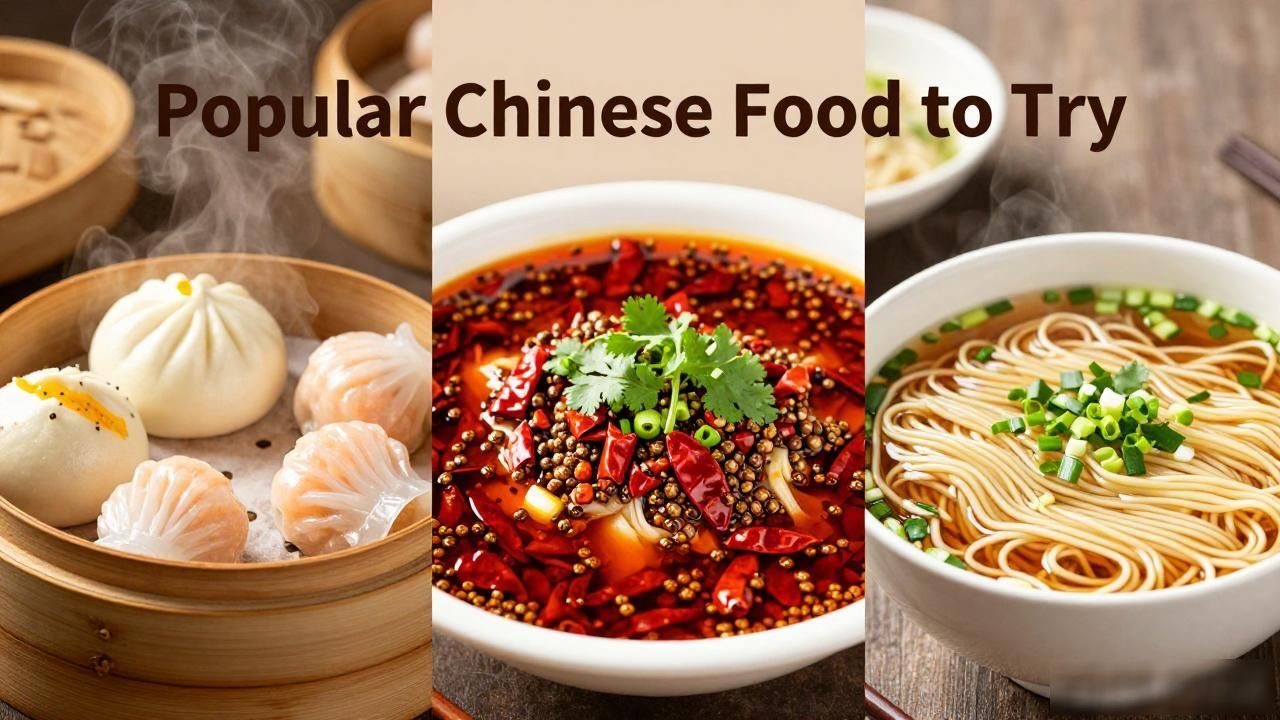
What people underestimate is the regional spread. Cantonese dim sum runs on gentle steam and restraint. Szechuan plates are loud, oily, and aggressively fiery. Northern hand-pulled noodles are all about chew and broth depth. Same country, same “Chinese food” label, yet the flavor universe shifts completely depending on the province you land in. That variety keeps you hungry for the next region.
I’m not asking you to ditch your local takeout joint. I am saying this: once you taste a properly made bowl of dan dan noodles at a Xi’an street stall, or a quiet morning bowl of congee in Shenzhen, your baseline shifts. The good stuff is closer than you think.