
The Palace Museum in Beijing houses one of the world’s most extraordinary collections of Chinese art and imperial heritage. Spanning nearly six centuries of Chinese history, these treasures reflect the craftsmanship, aesthetics, and political power of China’s Ming and Qing dynasties. Understanding what makes this collection significant helps visitors appreciate why it draws millions of tourists annually and remains a cornerstone of global cultural heritage.
What makes the Palace Museum collection special
The sheer scale of the collection is staggering. With over 1.86 million artifacts, it represents more than just royal possessions—it tells the story of Chinese civilization through pottery, paintings, calligraphy, bronze ware,enamelwork, jade, lacquerware, and textiles. Each piece carries historical weight and artistic mastery that few other museums can match.

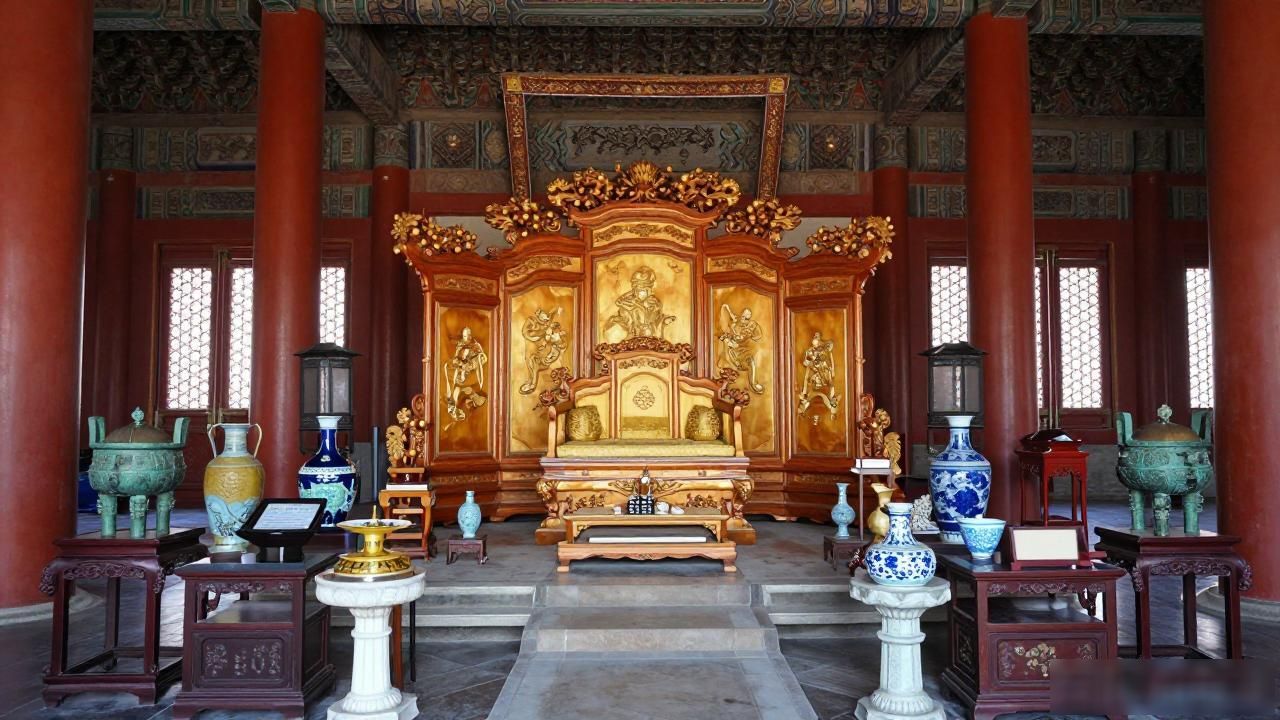
What truly distinguishes this collection is its original context. Unlike many museums where artifacts are removed from their historical setting, here they remain in the very palaces where emperors once lived and governed. Walking through the Hall of Supreme Harmony while viewing imperial throne rooms creates an immersive experience that textbooks simply cannot replicate.
Many visitors underestimate the diversity on display. Beyond the famous gold Thrones and ceremonial objects, the collection includes everyday items that reveal intimate details of court life—personal grooming tools, children’s toys, and even menus from imperial banquets. These seemingly ordinary objects offer extraordinary windows into historical daily routines.
Which artifacts should you prioritize seeing
If time is limited, certain pieces deserve special attention. The bronze cranes and censers in the Hall of Preserved Harmony demonstrate remarkable metallurgical skill. The massive Dragon Throne in the Hall of Supreme Harmony, adorned with intricate gold patterns, embodies imperial authority in a way that photographs cannot fully capture.
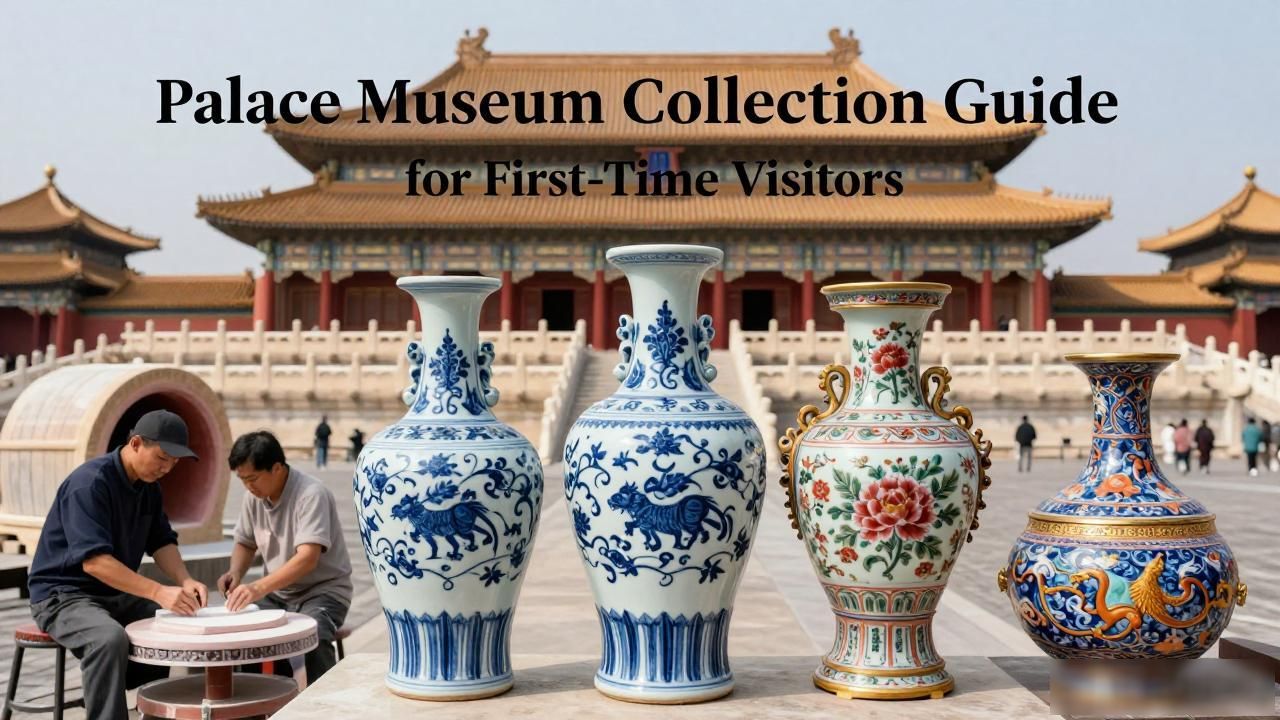
The porcelain collection warrants careful viewing. Ming dynasty blue-and-white vases and Qing dynasty enamelware showcase technical perfection achieved through generations of artisan training. Some pieces took months to complete, requiring precise control of kiln temperatures and multiple firing stages. These technical achievements represent peaks of pre-industrial manufacturing excellence.
Jade carving represents another essential category. Imperial jade objects range from ritual ceremonial pieces to decorative山水屏風 featuring landscapes carved in high relief. The skill required to work this extremely hard material without modern tools defies easy explanation. Certain pieces incorporate natural color variations in the stone to create three-dimensional effects that appear almost photographic.
How to make the most of your visit
Strategic planning transforms a chaotic crowded experience into a meaningful cultural encounter. Arriving at opening time allows you to view major halls before tour groups arrive. The museum opens at 8:30 AM on most days, but ticket availability requires advance booking through official channels.
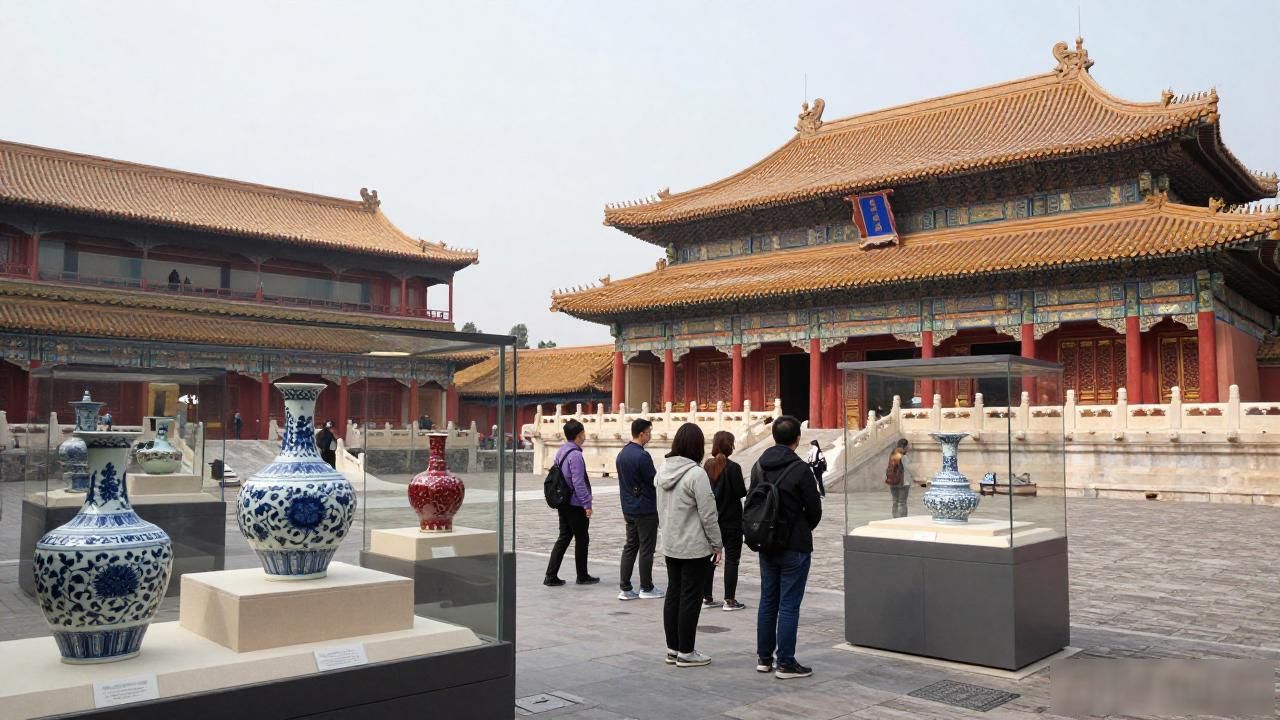
Consider focusing on one or two thematic routes rather than attempting comprehensive coverage. A ceramics-focused path through the Palace of Heavenly Purity and the Hall of Mental Cultivation reveals specialized imperial collections often overlooked by general visitors. Alternatively, following architectural progression from south to north provides chronological historical context alongside the artifacts themselves.
Hiring a knowledgeable guide or using detailed audio guides enhances understanding significantly. Many artifacts lack explanatory placards in English, and historical context transforms isolated objects into connected narratives. Understanding why a particular jade seal mattered to a specific emperor reveals dimensions of political symbolism that casual observation misses entirely.
The Palace Museum collection offers far more than visual spectacle. It provides tangible connections to historical processes, artistic traditions, and cultural values that continue influencing modern Chinese identity. Proper preparation and focused attention allow visitors to move beyond superficial sightseeing toward genuine appreciation of one of humanity’s greatest cultural treasuries.