

If you are making your initial visit to Beijing or Shanghai, the subway map can seem like a vivid and intricate web of lines and stations. However, don’t be intimidated by it. These two cities have constructed world-class metro systems that are clean, operate at high speeds, and are surprisingly straightforward to utilize once you grasp a few fundamental aspects.

In this guide, I will lead you through the process of reading the maps, help you avoid typical tourist errors, and introduce you to the most useful digital tools. By the conclusion, you will be able to ride the subway with assurance and save both time and expenses.
How to read the Beijing subway map
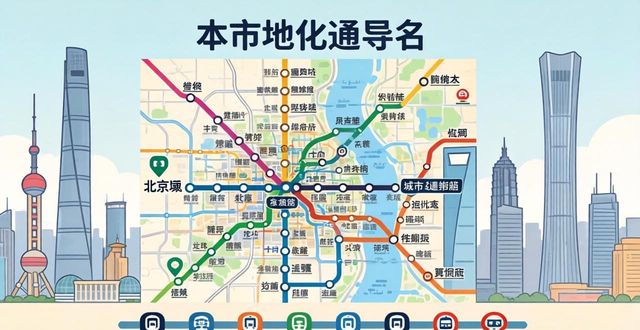
The Beijing subway map is a crucial tool for navigating the city’s extensive subway network. It provides a visual representation of the various subway lines, stations, and their connections. To effectively read the map, one needs to first familiarize themselves with the key elements. The lines are typically color-coded, which makes it easier to distinguish between different routes. Each station is marked with a specific symbol,and the connections between stations are clearly shown. By understanding these basic features, passengers can plan their journeys more efficiently. They can determine which lines to take to reach their desired destinations, and also identify any transfers that may be required along the way. Additionally, the map often includes useful information such as station names in both Chinese and English, as well as any special notes or announcements related to specific stations or lines. This helps to ensure that travelers, whether locals or visitors, can make the most of the subway system and explore the city with ease.
Furthermore, when reading the Beijing subway map, it’s important to note the direction of travel on each line. The arrows on the map indicate the flow of trains, allowing passengers to know which way is towards their destination. Some lines may have multiple branches or loops, and being aware of these can prevent confusion. Also, pay attention to any transfer stations, as they are key points where passengers can switch between different lines. These stations are usually well-marked on the map, and there are often clear signs and instructions within the station itself to guide passengers through the transfer process. With a little practice and a good understanding of the map, anyone can become proficient in using the Beijing subway system to get around the city quickly and conveniently.
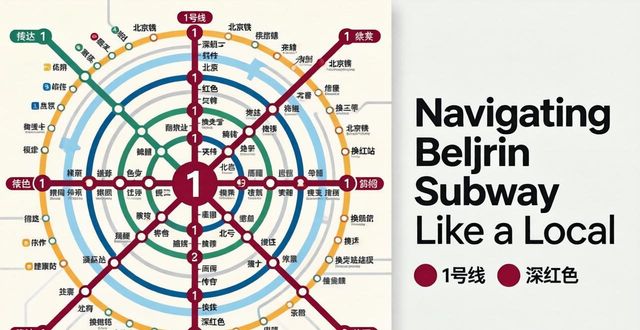
Beijing’s subway map is精心 designed around concentric ring lines and radial lines that crisscross the city center. One of the most practical aspects to note is that the lines are numbered and color‑coded. For instance, Line 1, which is colored dark red, runs east‑west through Tiananmen.