
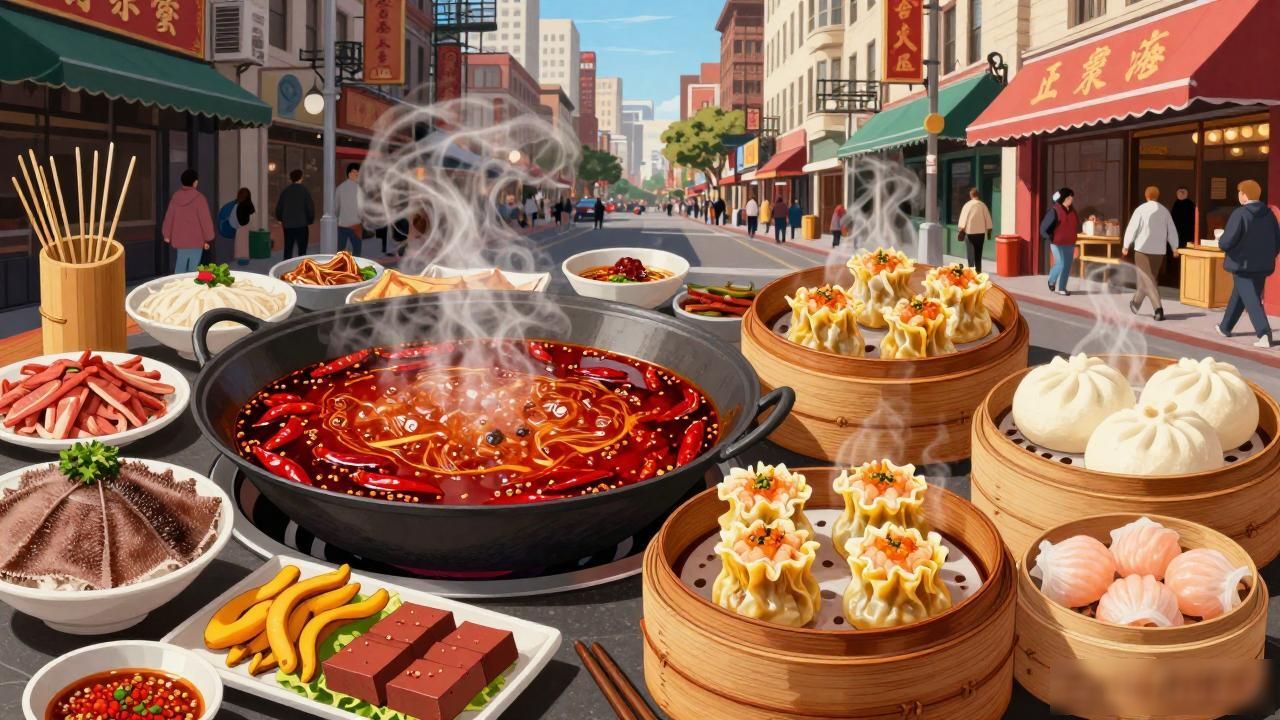
Chinese food has become an inseparable part of American dining culture, yet many people still struggle to navigate the vast menu options in a typical Chinatown restaurant or takeout spot. I’ve spent over two decades cooking and serving Chinese cuisine to curious diners across New York and beyond. What I’ve learned is that understanding what makes certain dishes so universally loved goes far beyond simply knowing their names. The real story behind popular Chinese food reveals fascinating insights about regional diversity, adaptation, and the simple truth that great comfort food knows no borders.
Why Is Chinese Food So Popular in the United States?
The appeal of Chinese food in America cannot be reduced to a single factor. From the earliest waves of immigration in the 19th century, Chinese cooks adapted their recipes to available ingredients and American palates. This created entirely new categories of dishes that never existed in China but became beloved staples anyway. General Tso’s chicken, for instance, is a dish that carries zero recognition in mainland Chinese restaurants. It is an American creation born from the desire to please customers who wanted something crispy, sweet, and mildly spicy.

Beyond fusion dishes, traditional regional cuisines also carved out dedicated followings. Szechuan food exploded in popularity during the 1990s and early 2000s, thanks largely to its bold numbing spice that excited adventurous eaters. Dim sum culture spread from San Francisco’s Chinatown to cities across the nation, turning weekend brunches into family rituals. These trends show how Chinese food evolved through genuine connection rather than mere commodification.
Part of the magic lies in sheer variety. Whether someone craves a heavy bowl of hand-pulled noodles, delicate dumplings,or a quick fried rice meal at midnight, Chinese restaurants deliver. The affordability compared to other ethnic cuisines also plays a massive role. You can often find a satisfying meal for less than ten dollars at many establishments, making it accessible to students, families, and working people alike.
What Are the Top Chinese Dishes Americans Love Most?
Every region of China brings something unique to the table, and Americans have developed strong preferences shaped by availability and exposure. Kung Pao chicken consistently ranks among the top choices nationwide. This Szechuan classic combines tender diced chicken with peanuts, dried chili peppers, and Sichuan peppercorns in a savory-sweet sauce. It delivers heat without overwhelming most diners while remaining deeply flavorful.
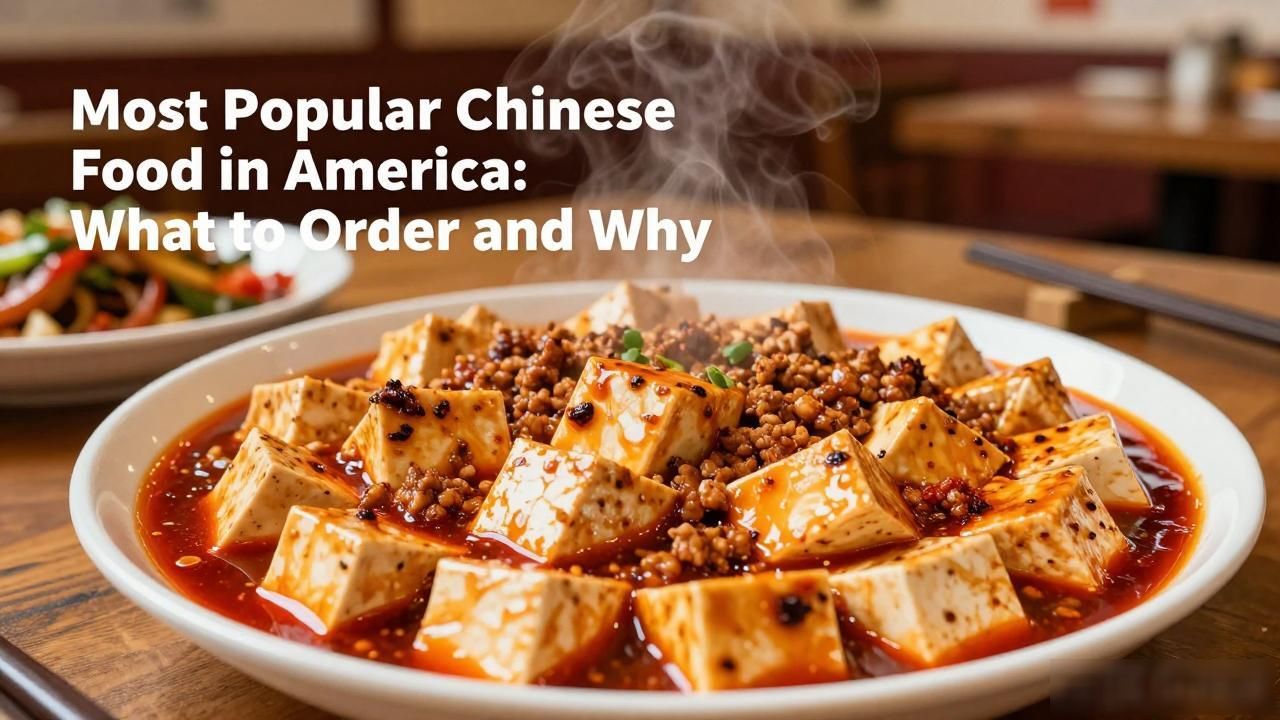
Mapo tofu has grown from a niche Sichuan specialty into a mainstream favorite among those willing to try something authentic. Silky soft tofu cubes cooked in a fiery chili bean sauce with ground pork create a texture contrast that surprises first-time eaters. The dish arrived in American cities through migration patterns from southern China and has since appeared on nearly every Chinese menu from coast to coast.
Peking duck deserves special attention as one of the most iconic Chinese dishes enjoyed internationally. Thin crisp pancakes wrapped around roasted duck skin, cucumber strips, and sweet bean sauce represent a dining experience rather than just a meal. Many cities now feature dedicated Peking duck houses where the preparation itself becomes entertainment, with chefs carving the bird tableside in front of impressed guests.
Sweet and sour pork remains a cornerstone of American Chinese restaurants despite its distance from traditional Chinese cooking. The concept of deep-fried meatballs coated in a glossy tangy sauce satisfies cravings for familiar comfort food with an exotic twist. Similarly, lo mein and chop suey serve as reliable go-to orders for people seeking something warm, filling, and mild enough for children.
How Should You Explore Chinese Food Like a Local Would?
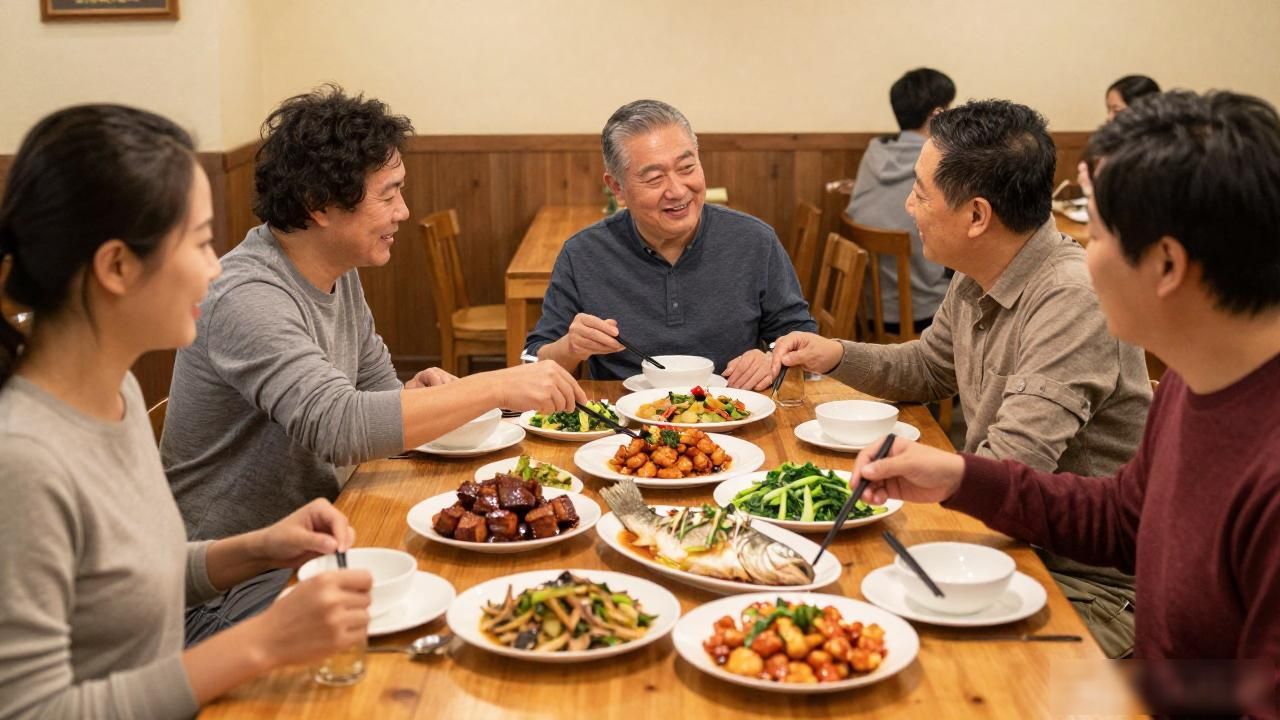
Walking into any Chinese restaurant without a plan often leads to disappointing choices. The smartest approach starts with observing what other diners are eating. If a particular dish consistently gets ordered by tables around you, that dish likely earns its reputation for good reason. Don’t be afraid to ask servers for recommendations either, because many work at family-run spots where the owners personally select seasonal specialties.
Exploring beyond the usual suspects transforms your experience dramatically. Instead of defaulting to egg foo young or chicken with broccoli, consider ordering a hot pot sharing plate or trying soup dumplings from a dedicated dim sum parlor. Small plates meant for sharing encourage conversation and allow you to sample more flavors without committing to large portions.
Seasonal awareness matters considerably in Chinese cuisine. Certain ingredients appear at their peak during specific months, and restaurants proudly showcase these limited-time offerings. Crab roe noodles in autumn, bamboo shoots in spring, and winter melon soup during cold months all represent moments worth seeking out. Paying attention to these cycles connects you more deeply with how Chinese cooks think about food throughout the year.