
Why Choose Luxury Hotels in China
Traveling through China as a foreigner can be overwhelming at first, but luxury hotels serve as comfortable oases that bridge cultural gaps. These properties understand international guests and go out of their way to make visitors feel at home while experiencing authentic Chinese hospitality.
I have stayed in over thirty luxury hotels across China during my business trips spanning twelve years. The consistency in service quality has improved dramatically, especially in tier-one cities like Shanghai, Beijing, and Shenzhen. Foreign travelers no longer need to compromise on standards they expect from five-star chains back home.

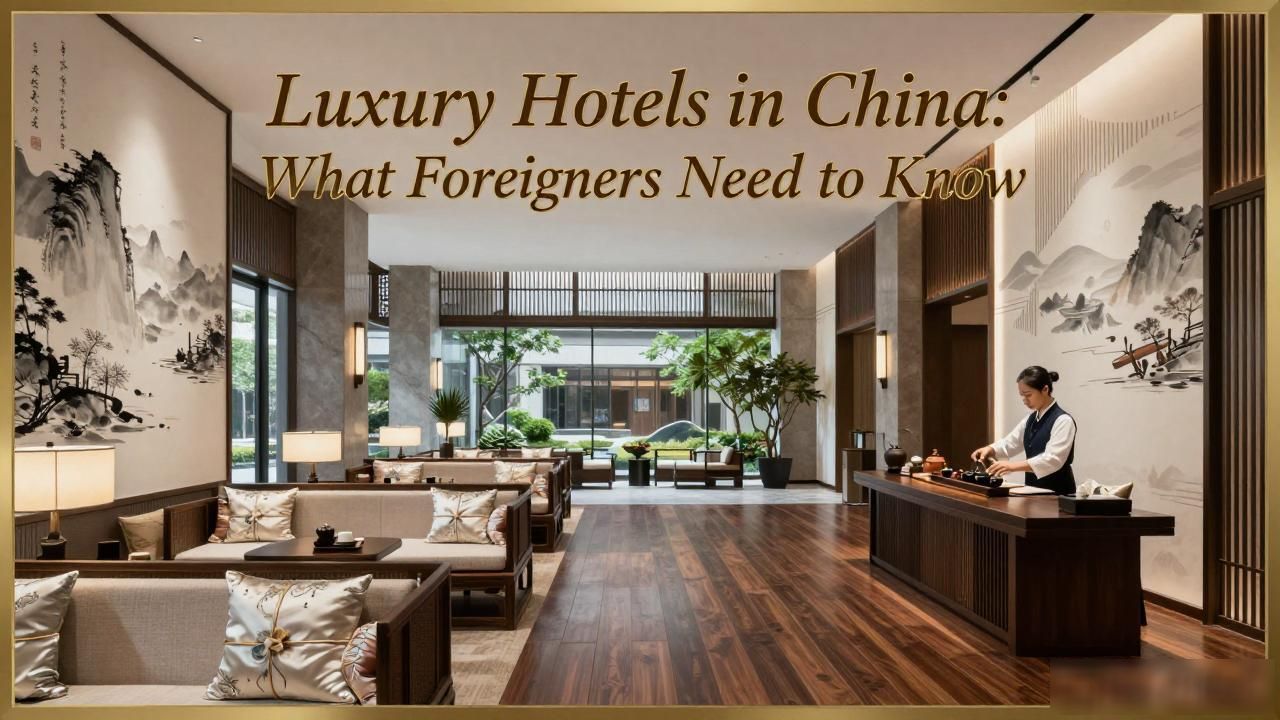
What surprises me most is how these hotels blend traditional Chinese aesthetics with modern comfort. From silk-wrapped pillows to tea ceremonies in the lobby, every detail reflects local culture without sacrificing the amenities global travelers demand.
Where to Find the Best Luxury Hotels
China’s luxury hotel scene clusters heavily along the eastern coastline and in major metropolitan hubs. Shanghai alone hosts over forty international luxury brands, from the iconic Peninsula to the newer Rosewood properties. Beijing offers comparable options near the Forbidden City and CBD district.
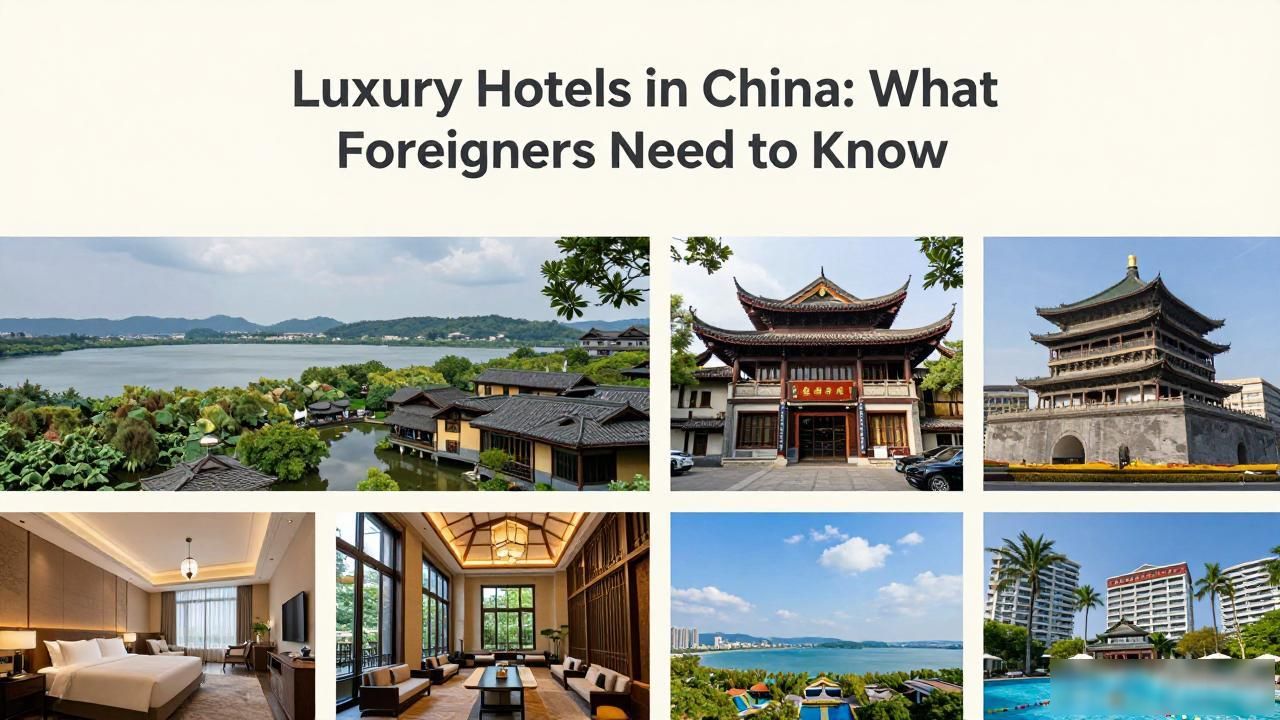
Smaller cities deserve attention too. Hangzhou’s West Lake area features stunning properties like the Four Seasons and Aman at the Longemont. Chengdu, Xi’an, and even Sanya on Hainan Island have elevated their offerings significantly in recent years.
Booking through international platforms works well, but I recommend checking hotel websites directly for exclusive rates. Many properties offer foreign guest perks like late checkout,complimentary airport transfers, or welcome amenities that standard bookings miss.
What Makes Chinese Luxury Hotels Unique
The dining experience sets Chinese luxury hotels apart from their global counterparts. Morning buffets feature live noodle-pulling stations, dim sum carts, and regional specialties you will not find elsewhere. Even room service menus showcase local flavors alongside international classics.

Service culture differs noticeably too. Staff members tend to be more attentive and proactive, often anticipating needs before guests voice them. This stems from traditional Chinese hospitality values that prioritize guest comfort above all else.
Technology integration represents another distinctive advantage. Mobile check-in, WeChat-based room controls, and digital concierge services are standard at most luxury properties. Foreign guests should download local payment apps beforehand to navigate these systems smoothly.
The best luxury hotels in China combine world-class standards with unmistakable local character. Whether you seek business facilities, cultural immersion, or simply a peaceful retreat, these properties deliver experiences that justify their premium pricing. Planning ahead and understanding what to expect ensures a seamless stay for international visitors exploring China’s hospitality landscape.