
China has been making significant strides to welcome international visitors for business and academic purposes. For professionals planning to attend conferences, the question of visa requirements is often the first hurdle. The process has evolved considerably,offering several practical pathways that were not as accessible in the past. Understanding these options is key to ensuring a smooth trip without administrative delays.
24 72 and 144 Hour Visa Free Transit Rules
One of the most effective ways to attend a short conference without a full visa is using the transit policy. This involves staying in China for a brief period while traveling between two foreign countries. Many major cities now support the 144-hour rule, giving you six full days to attend a conference and explore the region. You need a confirmed ticket to a third country to qualify.

This policy applies to citizens of specific nations, typically including many European countries, the US, Canada, and others. If your connecting flight departs from a different city than you arrived in, known as an open-jaw ticket, this can still work as long as you stay within the designated municipality. For shorter trips, the 24-hour or 72-hour rules apply to more ports of entry. It is essential to check if your specific arrival port supports the visa-free transit program.
During your transit stay, you are free to travel within the designated area by train, bus, or plane. There is no requirement to stay in the airport city, as long as you do not cross into other provinces. This flexibility allows you to attend a conference in Shanghai and then take a high-speed train to Hangzhou for a weekend meeting. Just remember that the clock starts ticking the moment you enter China. You must exit before the 144 hours expire. Overstaying, even by a few hours, can lead to fines and future entry bans. It is wise to book your onward ticket well in advance to ensure compliance.
Group Visa Exemption for Conference Participants
Another option involves group visa exemptions, which are often arranged through travel agencies or organizers. Hainan Island is a prime example of China’s effort to boost tourism and business. Tourist groups from certain countries can enter visa-free for up to 30 days. This exemption is not limited to leisure; it can cover conferences held on the island. You must be part of an organized group booked through a licensed travel agency.
The group usually consists of at least five people. This means solo travelers cannot take advantage of this specific exemption. However, if you are attending a large forum in a special economic zone, the organizers might facilitate a group arrangement. It is crucial to coordinate closely with your event hosts to ensure all paperwork is in order. The group must enter and exit together through designated ports. Any deviation from the agreed itinerary could result in visa violations.
Beyond Hainan, some special economic zones and pilot free trade zones have introduced their own group visa policies. These initiatives are designed to attract international business and boost local economies. If your conference is hosted in one of these designated areas, inquire about potential exemptions. The rules can be quite specific, often requiring the group to be registered in advance by the host organization. Individual travelers usually cannot apply for these exemptions on their own. It is important to confirm the exact requirements with your event organizers early in the planning process. This ensures that everyone in your delegation has the correct documentation for entry and exit.
H21 and M Visas for Professional Engagements
Sometimes the transit or group routes are not viable. In those cases, applying for a specific visa is the standard path. The M visa is traditionally for commercial and trade activities, which broadly covers most conference attendance. If you are a speaker, panelist, or consultant, this is likely the visa you will need. The application process requires careful preparation to avoid any setbacks.
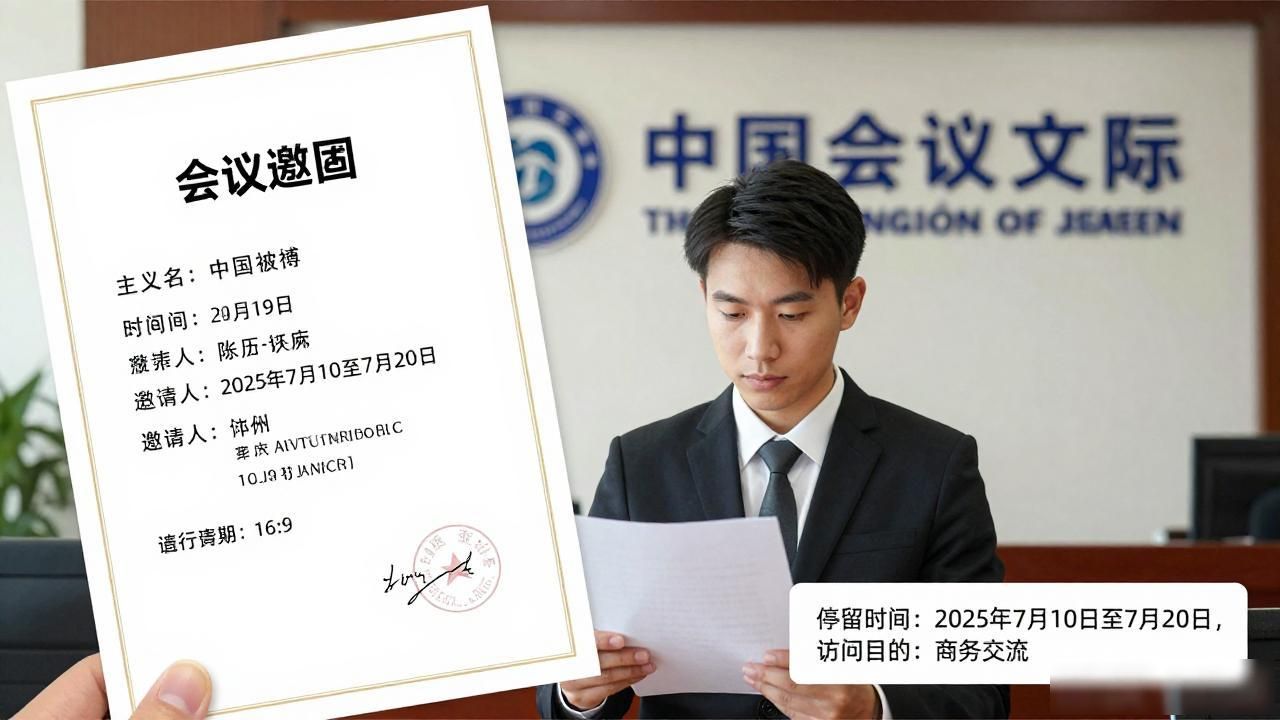
The application process requires an invitation letter from a Chinese entity, such as the conference organizer or a host company. The invitation should detail your role, the duration of your stay, and the purpose of the visit. Processing times can vary significantly depending on the embassy and your nationality. In some regions, standard processing takes about four working days, while expedited service is available for an additional fee. You should also be prepared to provide proof of accommodation and travel itinerary.
If your conference schedule involves traveling to another country in between, you might need a double-entry visa. This is common if you are attending a regional event where sessions are held in multiple cities across borders. A single-entry visa would only allow you to enter China once, which would be insufficient for your itinerary. When applying, clearly state your travel plans to the consular officer. They will issue a visa with the appropriate number of entries. It is also worth checking if your nationality is eligible for a multiple-entry visa, which can be convenient for frequent business travelers. Having a multiple-entry visa saves you from reapplying for each trip, streamlining your travel logistics significantly.
Navigating visa requirements for China does not have to be daunting. With the transit exemptions, group visa arrangements, and clear visa categories, there are multiple pathways for conference attendees. Planning ahead and verifying the latest regulations are the best ways to avoid surprises. Always verify current regulations with the nearest Chinese embassy or consulate before your trip. Staying informed ensures you can focus on making meaningful connections at your event.