

China has become one of the most visited destinations on Earth, welcoming millions of international travelers every year. But when it comes to travel, safety is always a top concern — and understandably so. From airport screenings and hotel registrations to street-level navigation, China operates under a comprehensive set of travel safety regulations that many first-time visitors find surprisingly thorough. These rules are not designed to inconvenience tourists. Rather, they exist to ensure that travelers receive consistent protection across one of the world’s largest and most densely populated countries. Understanding these regulations before arrival can make a significant difference in how smoothly your trip unfolds.
Is China Safe for Foreign Tourists What Travelers Need to Know
China ranks as one of the safer major travel destinations globally, and the government has invested heavily in tourism safety infrastructure over the past decade. Major cities like Beijing, Shanghai, and Xi’an maintain well-lit streets, extensive CCTV coverage,and rapid emergency response systems. Police presence is visible in tourist areas, and tourist police units have been established in numerous cities specifically to assist international visitors with language barriers and unfamiliar legal procedures.

The real-name registration system is perhaps the most notable regulation affecting foreign travelers. Upon entering China, all tourists must present their passport at hotel check-in, where the hotel forwards your information to local authorities within 24 hours. This is a standard legal requirement, not a sign of surveillance targeted at foreigners. Independent travelers staying in guesthouses or Airbnb-style accommodations should confirm beforehand that their host is registered and licensed to accept international guests, as unregistered lodging can lead to complications with local police inspections.
Scams targeting tourists do exist, though they are far less common than in many comparable destinations. Pickpocketing in crowded markets and on public transportation is the most frequent issue, and exercising basic awareness in places like Beijing’s Wangfujing or Shanghai’s Nanjing Road goes a long way. It is also wise to register with your embassy upon arrival, especially if traveling to western regions such as Xinjiang or Tibet, where additional permit requirements apply.
What Are the Key Travel Safety Rules Visitors Should Follow
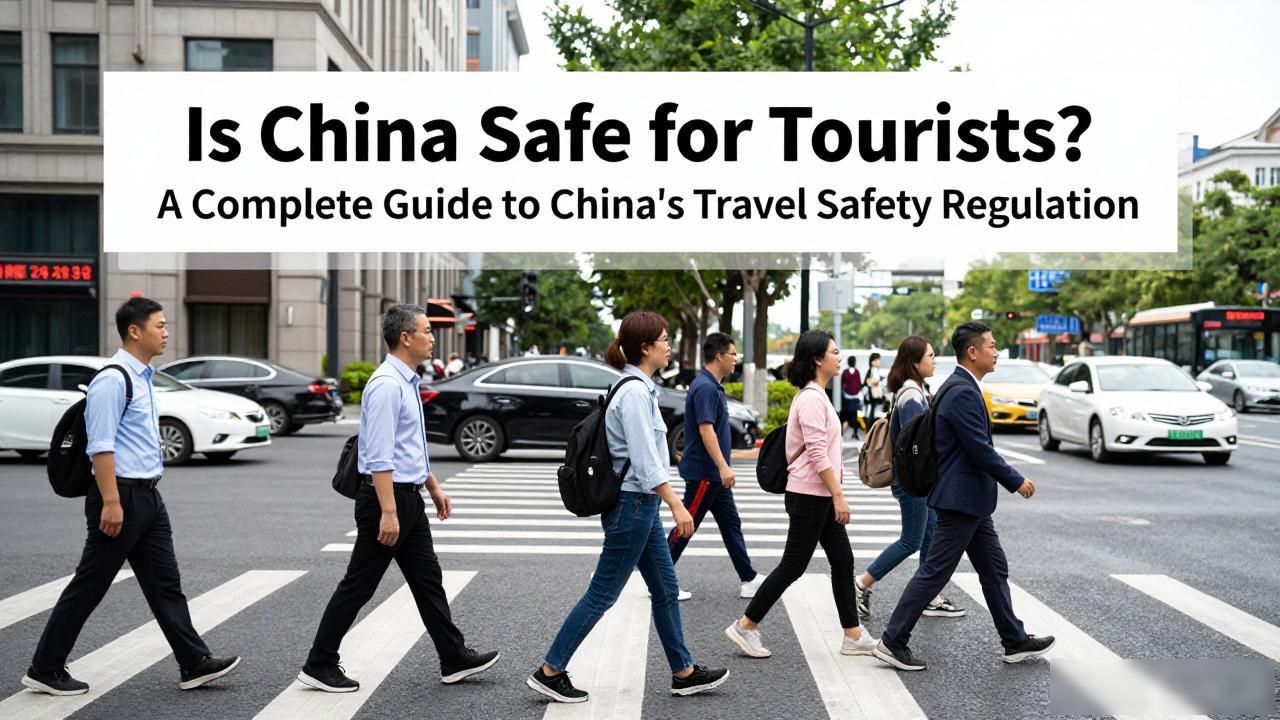
Traffic safety in China requires a different mindset for visitors accustomed to Western driving norms. Chinese roads are busy, and pedestrian right-of-way is not always respected. When crossing streets, especially in smaller cities, wait for a gap in traffic and walk steadily — do not run or hesitate mid-crossing. The signal lights are reliable, but drivers may treat them as suggestions during peak hours.
Rail travel, particularly on the high-speed rail network, follows strict safety protocols. Passengers must pass through metal detectors and X-ray screening before boarding, similar to airport procedures. Liquids are subject to inspection, and the carry-on size and weight limits are enforced more consistently than on most commercial airlines. These rules exist because high-speed trains operate at speeds exceeding 300 kilometers per hour, making onboard safety a genuine priority.
Food and water safety regulations have improved dramatically, but visitors should still exercise caution. Bottled water is inexpensive and widely available, and restaurants in tourist areas generally maintain solid hygiene standards. Street food, however, varies by location — choosing vendors with high turnover and visible preparation areas is a reliable rule of thumb. For those with sensitive stomachs, carrying probiotics or oral rehydration salts is a practical precaution.
How Do China’s Emergency and Health Regulations Work for Visitors
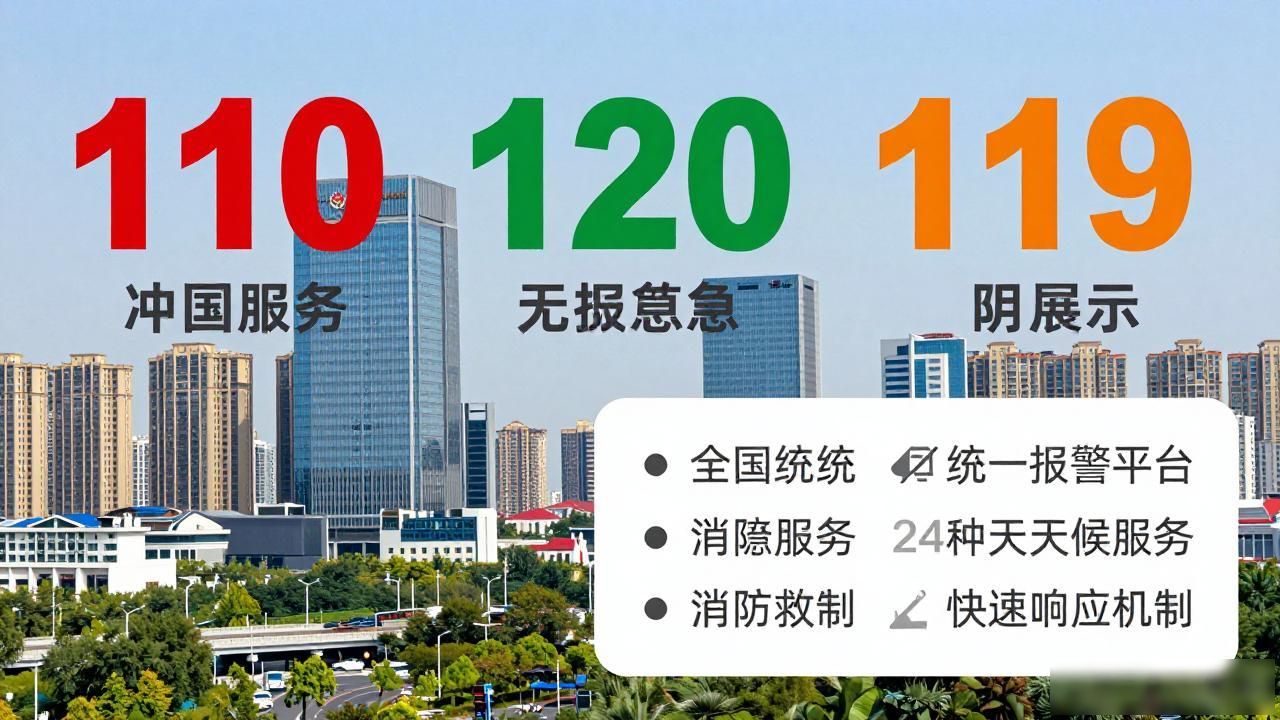
China maintains a functional emergency response system, but it operates differently from what foreigners may expect. Dialing 110 connects you to police, 120 to ambulance services, and 119 to fire department. English-speaking operators are not guaranteed, but major hospitals in tier-one cities have international patient departments that can arrange interpretation services.
Travel insurance is not legally required for most tourist visas, but it is strongly recommended. Medical costs for foreigners can be substantial without coverage, and many private clinics prefer direct payment. Public hospitals are equipped to handle emergencies, but language barriers and longer wait times are common unless you visit an international wing.
For remote or border region travel, additional regulations apply. Areas such as Tibet, parts of Xinjiang, and certain zones along the Myanmar or Vietnam borders require special permits arranged through licensed travel agencies. These permits are tied to your itinerary, and carrying them at all times is mandatory. Border checkpoints may request to see your passport and permit together, and failure to produce them can result in delays or being turned back. With proper preparation, however, these regions offer some of the most extraordinary experiences available to travelers worldwide.