
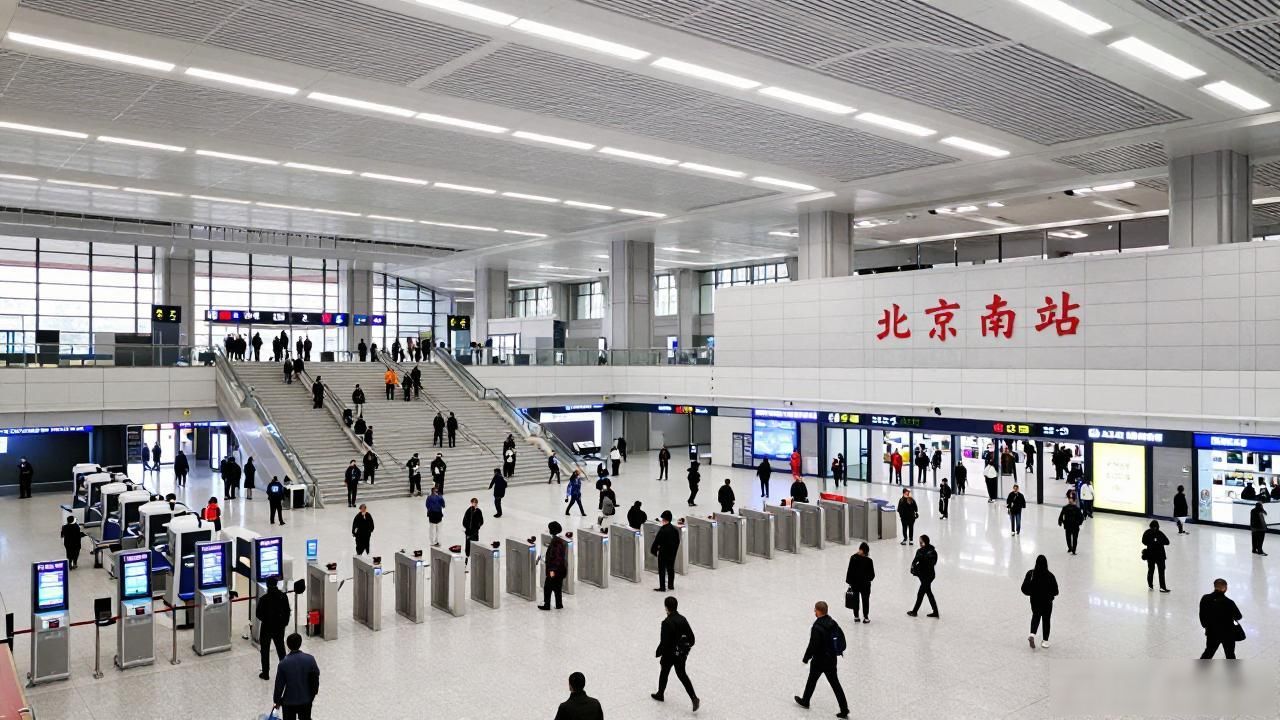
China’s high speed rail network stretches past forty thousand kilometers, and the stations that feed it look nothing like what most foreign travelers expect. Stepping into one for the first time can feel like entering a different operating system entirely—except this one runs on precision, scale, and an almost religious faith in punctuality.
How do China high speed rail stations work

The layout is deceptively straightforward. Major stations such as Beijing South, Shanghai Hongqiao, and Guangzhou South function as massive layered transit hubs. You check in at ground level, get screened through security, then head up one or two flights of stairs to reach the platform. Signage is bilingual, but Chinese characters dominate the visual space, so the safest strategy is simply to follow the flow of the crowd. The check-in process mirrors airport security: swipe your national ID card, pass through a metal detector, and your ticket is read from that same card. No paper. No queue at a counter. Just walk, scan, move on.
Platform numbers grow enormous as you move into bigger stations, some housing over thirty tracks. Trains arrive in rolling waves, and the PA announcement for your specific service lands roughly fifteen minutes before departure. The doors close on the exact minute and there is no grace period, so the walk across the platform matters more than most first-timers realize.
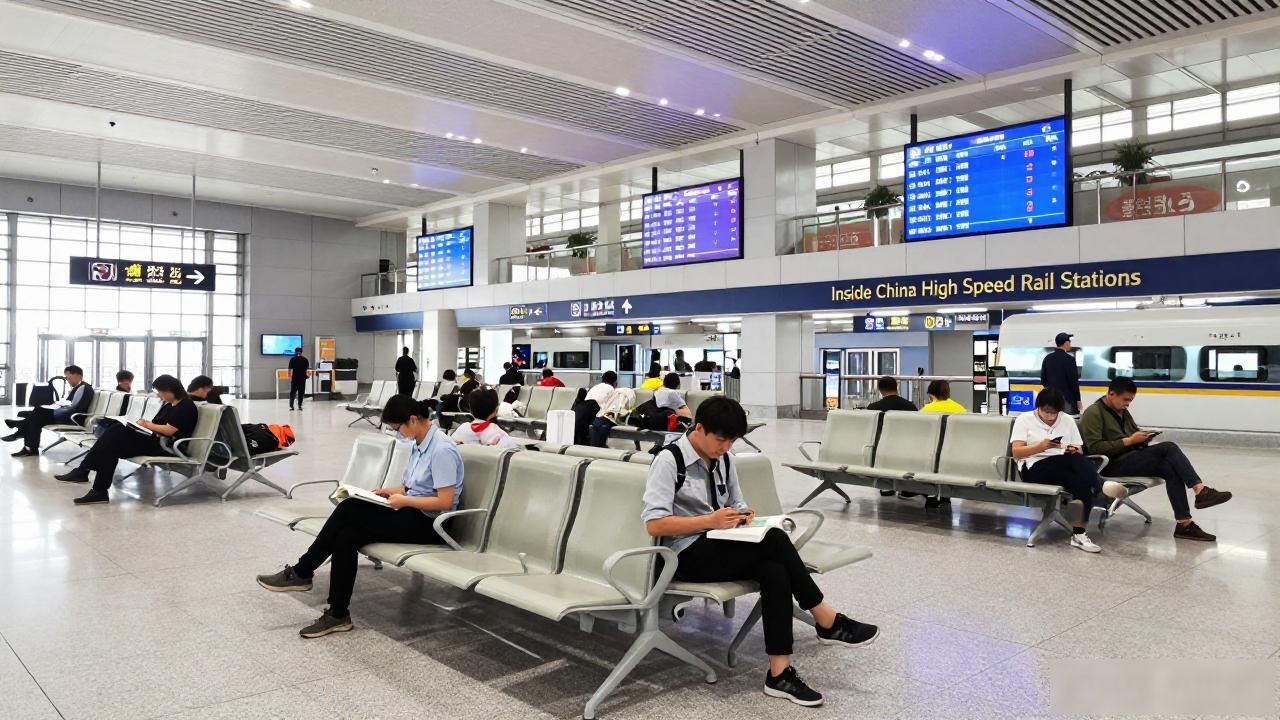
What to expect at China high speed rail stations
Crowds are the defining feature. On weekends and during holiday travel peaks, stations become rivers of bodies moving in synchronized patterns. Security lines can stretch well past fifty meters. A practical rule that saves real stress: arrive no later than twenty-five minutes before your departure time. That buffer absorbs the queue, the platform walk, and the moment of confusion where you cannot read which car number you are supposed to board.
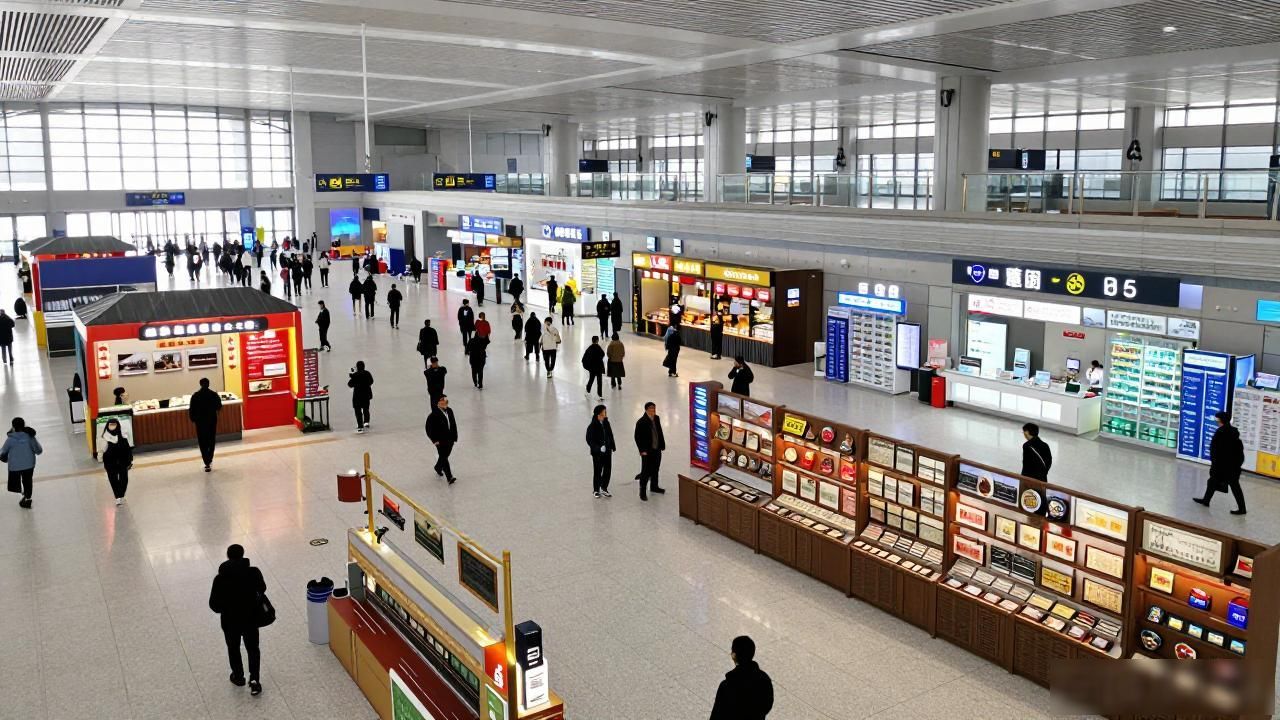
Inside the station proper, convenience is dense. Small food stalls, coffee chains,phone-charging banks, and pharmacy counters cluster around the departure halls. Several larger stations include compact exhibition corners or even a short corridor of old railway memorabilia that surprises first-time visitors. The platforms themselves are long, spotless, and color-zoned so you can locate your car number quickly. A small LED screen at each zone displays exactly where the doors will open for that section of the train.
The entire system moves with a mechanical grace that takes a few trips to absorb. Once the rhythm clicks, the stations stop feeling intimidating and start feeling like the most efficiently designed rooms you have ever walked through.