
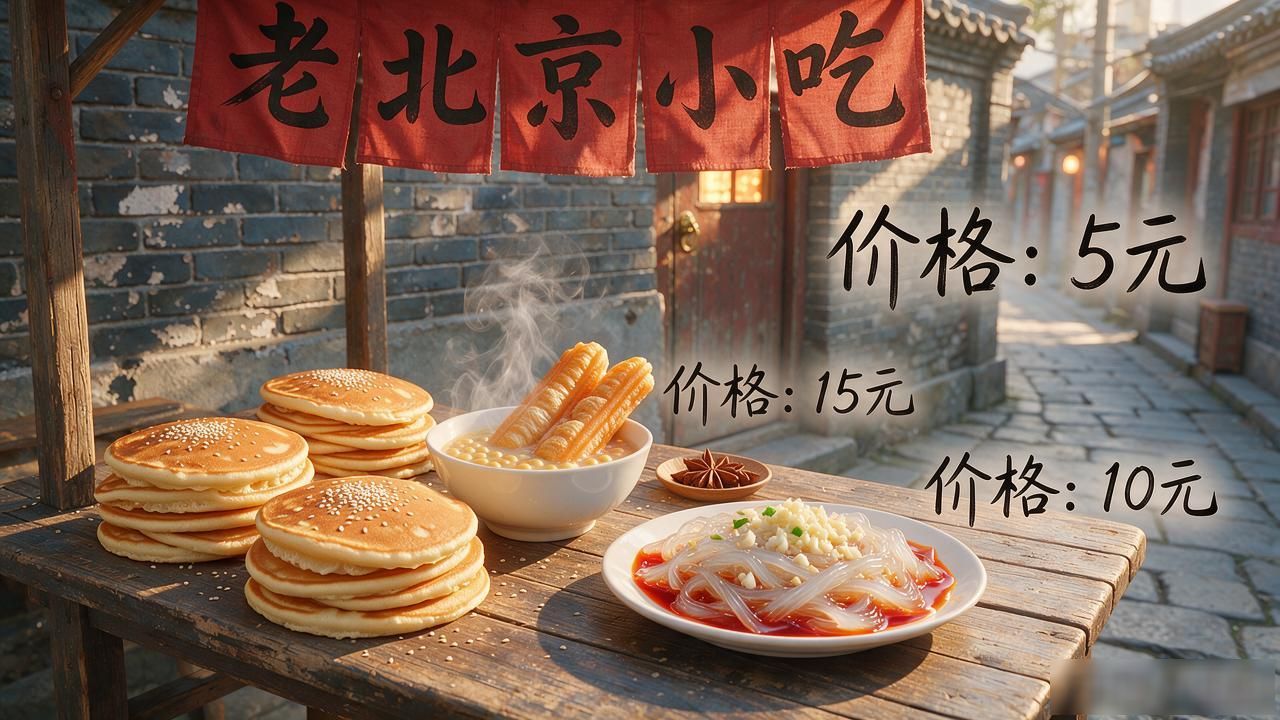
Walking into a narrow hutong lane in old Beijing, you’ll spot small stalls and corner shops selling treats no polished food guide fully captures. These are Hutong local snacks — simple, cheap, and deeply tied to how Beijingers have fed their families for decades. They’re not tourist traps. They’re neighborhood fuel, the kind of bite you grab mid-stroll without ever checking a menu.
What are hutong local snacks

Think of jianbing, that savory crepe slathered with sweet bean paste and crispy croutons, or the doughy fried sticks called youtiao soaking in warm soy milk. Then there’s liangfen, a cold jelly snack cut into neat squares and smothered in chili oil and minced garlic. Each one costs five to fifteen yuan, and the recipe hasn’t budged in three generations. A woman in her seventies still makes them the way her mother taught her,using the same chipped enamel pot.
The flavor profile skews bold and a little messy. Chili oil, cumin, scorched leek — nothing delicate here. But that’s the whole point. You’re not after plating or garnish. You’re after the streak of black pepper that sears the back of your nose and the sticky sweetness that refuses to leave your thumb.
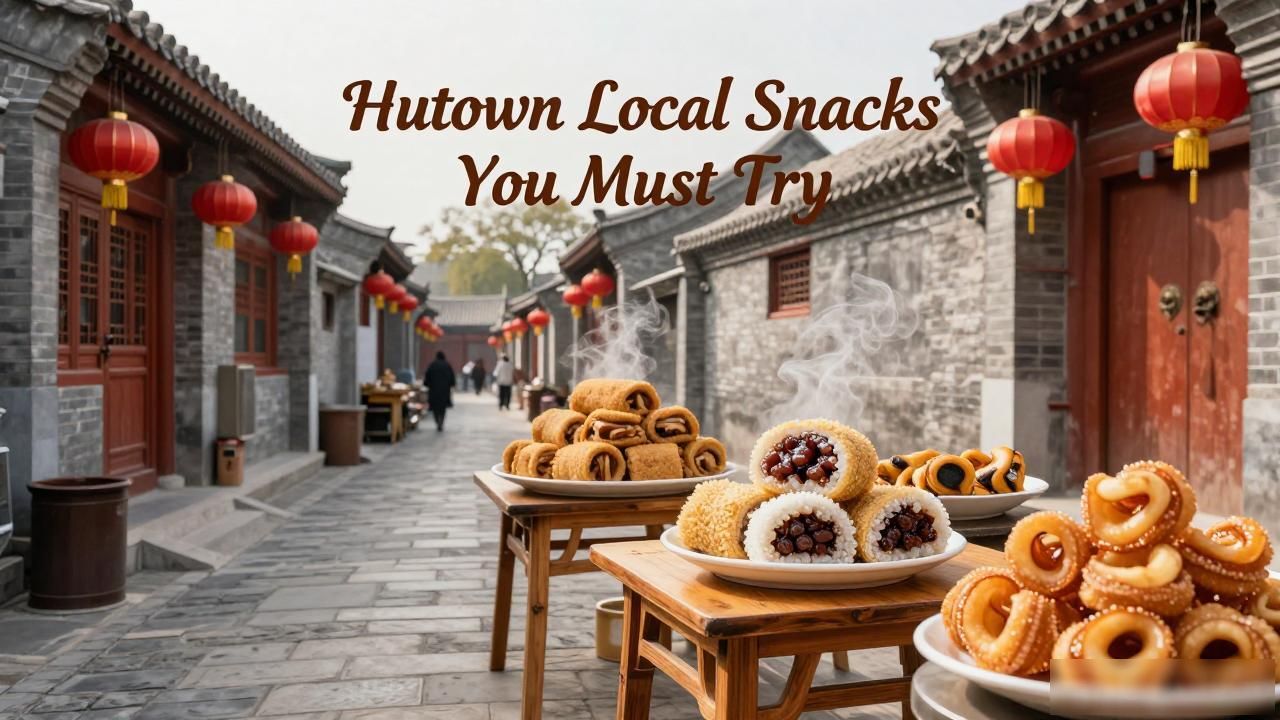
Where to find hutong local snacks
Head to the hutongs curling off Shichahai or the narrow back streets beyond Nanluoguxiang. Look for plastic stools set out on cracked pavement, hand-painted signs with faded red lettering, and steam still curling out of woks at seven in the morning. The vendors don’t advertise anywhere. Their regulars just show up, point at what they want, and the whole transaction wraps up in ten seconds flat.
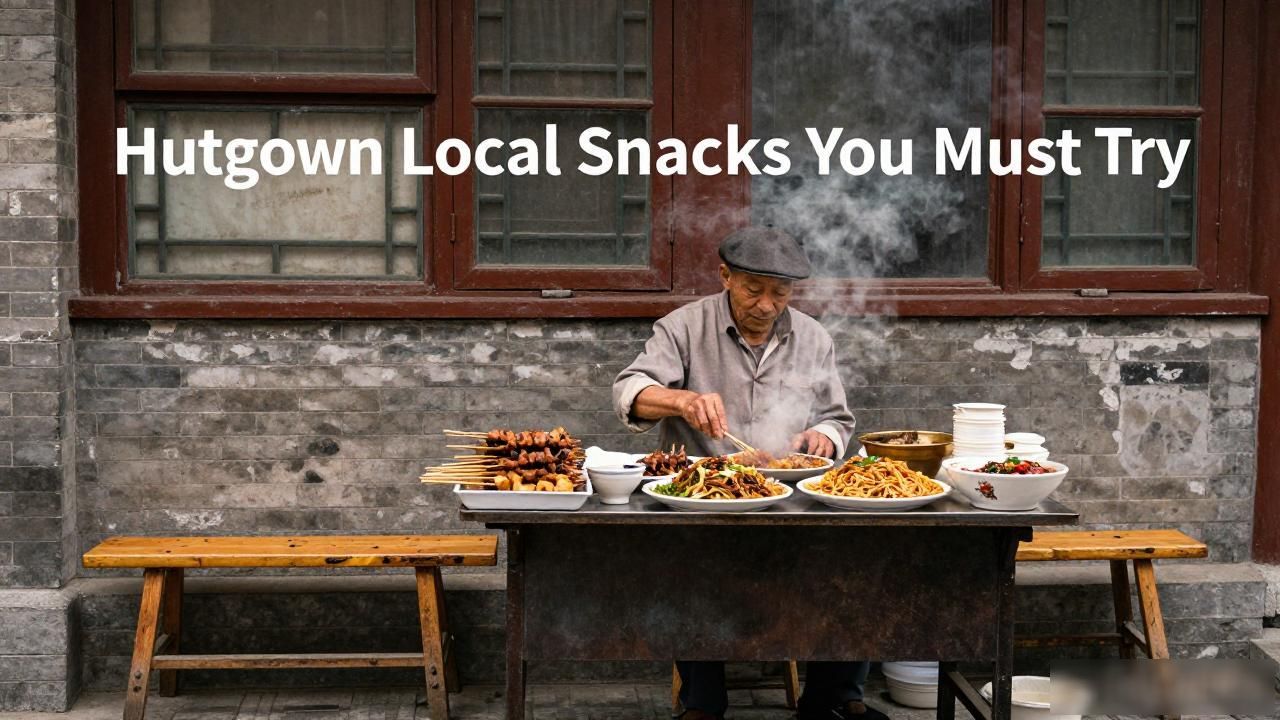
Skip the stalls with QR-code menus and laminated English signage. The real hutong snacks live where a grandpa in a flat cap is the only staff and the only seating is a bench bolted to the wall. If you can’t find the spot, follow the smell of cumin and charred fat. It never lies, and it travels exactly two hundred meters down the lane.
You’ll walk out with oil-stained fingers and a half-eaten stick of something you can’t even name in English. That’s the win. The next morning you’ll be back, same stall, same scuffed stool, same quiet nod from the old man behind the wok. That’s how a hutong snack gets into your bones and stays there.