
Coming to China without the right apps feels like navigating a maze blindfolded. After three years of bouncing between Beijing, Chengdu, and the smaller cities of Yunnan, I’ve figured out which China travel apps actually matter and which ones you can safely skip. Here’s what I’d tell any friend boarding that flight tomorrow morning.
What China travel apps do foreigners need
The absolute essentials are Alipay and WeChat. Both handle payments, and honestly most street vendors and small restaurants still won’t take a foreign credit card. Alipay now supports international Visa and Mastercard, so you genuinely don’t need a Chinese bank account anymore. WeChat layers on the messaging that every local service and landlord expects from you. Set up both before you even land.

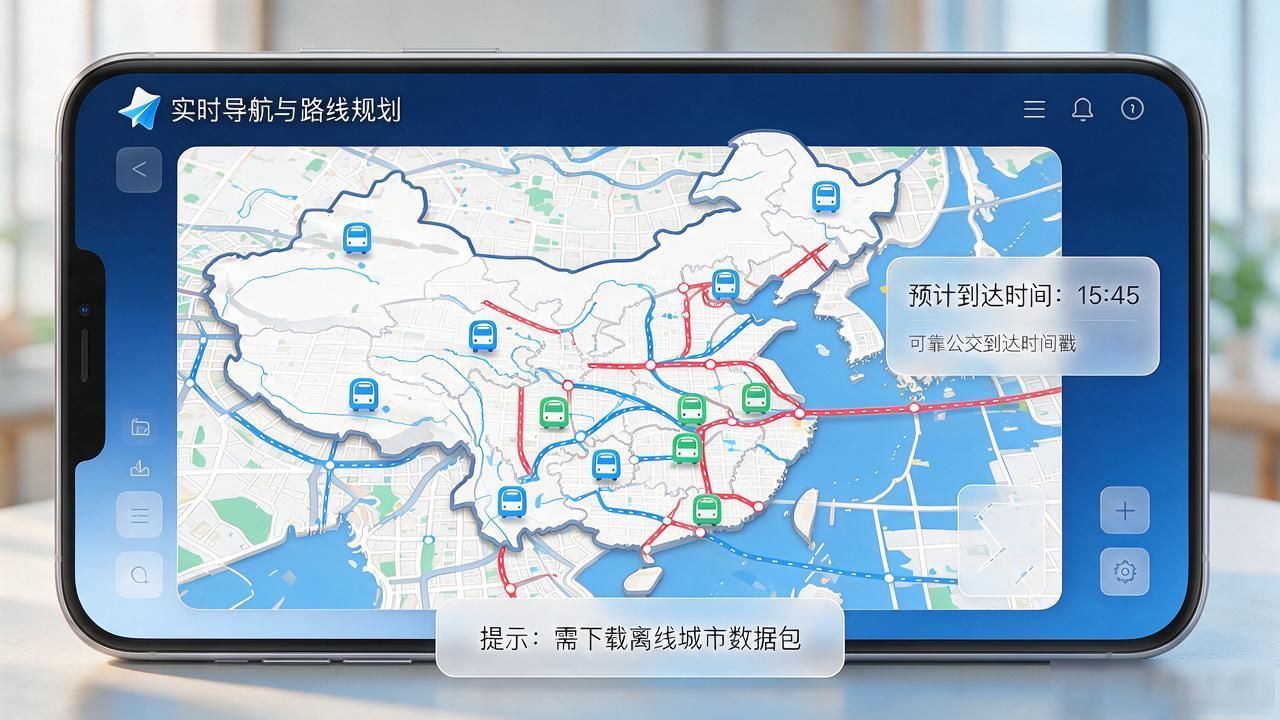
For navigating, Amap (Gaode) handles subways, buses, and walking routes better than Baidu for most tourists. I stick with Amap because its bus arrival timestamps are actually reliable. Download the offline city packs the moment you hit a new district. It takes two minutes and saves you from staring at a spinning loading wheel on the subway platform.
Do China travel apps work offline
Short answer: mostly, but not fully. Amap and Baidu both cache maps for any area you pre-download, and Alipay’s merchant QR code keeps working without a data connection as long as you’ve loaded it. WeChat, however, goes completely dead the instant you lose signal. Don’t plan on messaging your hotel from a subway tunnel.

The trick from my first solo trip: download every offline pack on day one,while you’re still in the hotel lobby with free Wi-Fi. Flip on battery-saver mode too. It cuts background data drain and keeps those cached maps from getting wiped by your phone’s storage management.
How to pay with China travel apps
Tap-to-pay has become so ingrained that even the old lady selling roasted chestnuts on the street has a QR code taped to her cart. Alipay’s scan function works on every one of them. You don’t need the recipient’s app; you just scan their code and type your amount. The whole transaction takes less than four seconds.

One gotcha: some smaller vendors only accept their own app’s in-store code, not Alipay’s universal scanner. I’ve gotten stuck at a market stall twice because the code was WeChat-only. Keep a backup payment method and maybe five yuan in actual coins for the truly offline situations.
You don’t need twenty apps cluttering your home screen. Four or five, set up properly on your arrival day, will cover the vast majority of what you’ll actually encounter on the ground. The real skill is just getting comfortable tapping your phone at a street noodle stall instead of fumbling for paper notes that nobody around you speaks your language on.