
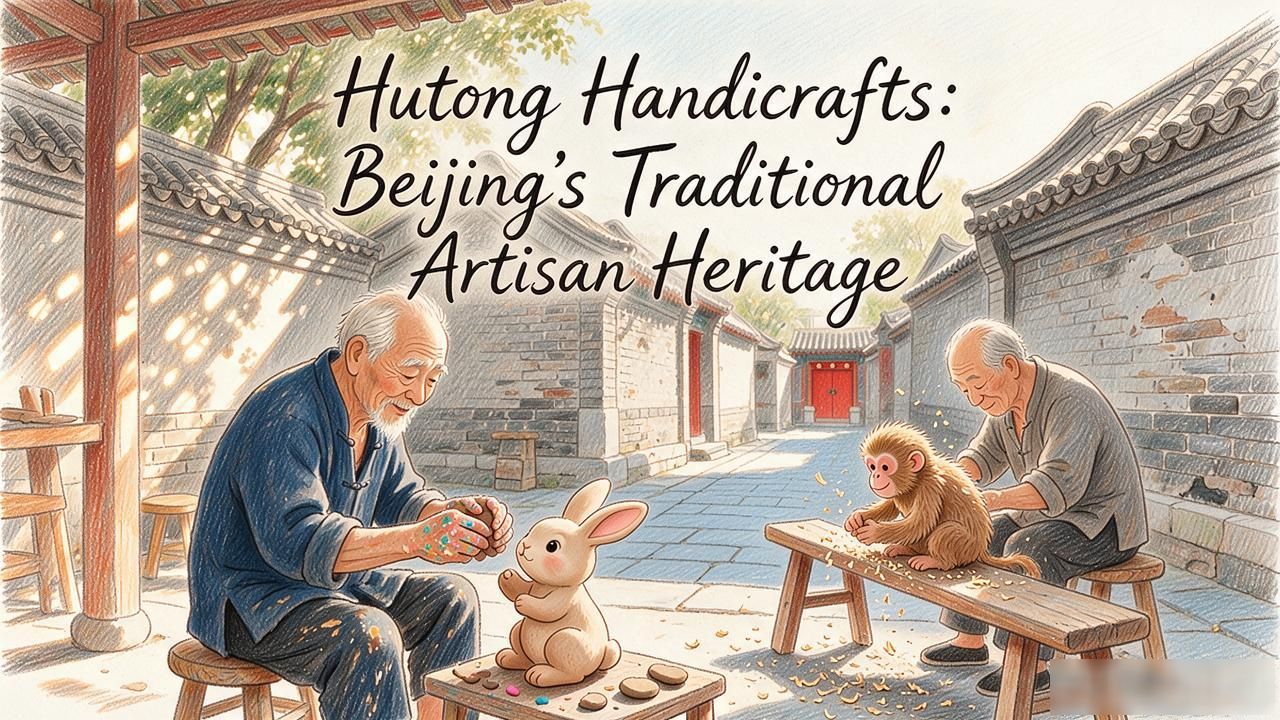
Step into the winding alleys of Beijing’s hutongs, and you’ll uncover more than just old courtyards and daily life. Here, an ancient world of handmade beauty survives—paper cuttings, intricate cloisonné, delicate silk threads, and sugary sculptures—all crafted by artisans who keep centuries-old techniques alive. These aren’t museum pieces; they’re living traditions passed down through families. This guide explores what makes Hutong handicrafts unique and where you can discover authentic pieces that truly reflect Beijing’s cultural soul.
What Are Hutong Handicrafts?

Hutong handicrafts refer to the traditional manual arts practiced by residents within Beijing’s historic alleyway neighborhoods. For generations, these crafts served both practical and decorative purposes, reflecting the daily lives, festivals, and spiritual beliefs of ordinary Beijingers. Unlike mass-produced souvenirs, each piece carries the subtle imperfections of human hands, making every item genuinely one-of-a-kind.
The most iconic forms include paper cutting, where artisans transform thin red paper into elaborate scenes of flowers, animals, and folklore through precise knife work. Cloisonné jewelry and vases showcase the intricate enamel technique brought to China centuries ago, now executed with contemporary designs. Then there’s sugar painting—a charming street art where melted sugar becomes dragons, phoenixes,and zodiac creatures in moments.
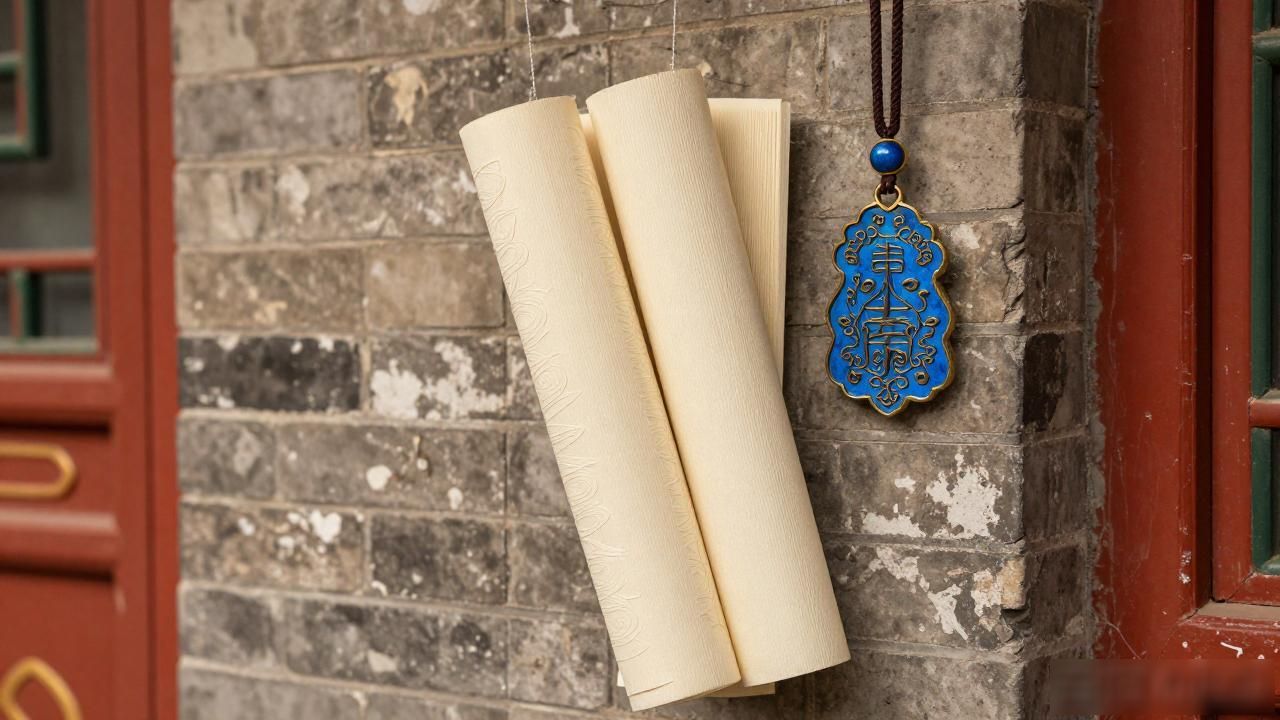
These crafts represent intangible cultural heritage, embodying patience, precision, and aesthetic sensibility honed over decades. When you hold a hand-cut paper scroll or a cloisonné pendant, you’re touching history that urbanization and modernity struggle to erase.
Where Can You Find Authentic Hutong Handicrafts?
Nanluoguxiang remains the most famous area for visitors seeking traditional crafts, though commercialization has diluted some authenticity. Look beyond the main tourist strip into side alleys where elderly craftsmen still practice their trades. Nearby, the 798 Art District occasionally hosts workshops where modern artists reinterpret classical techniques.
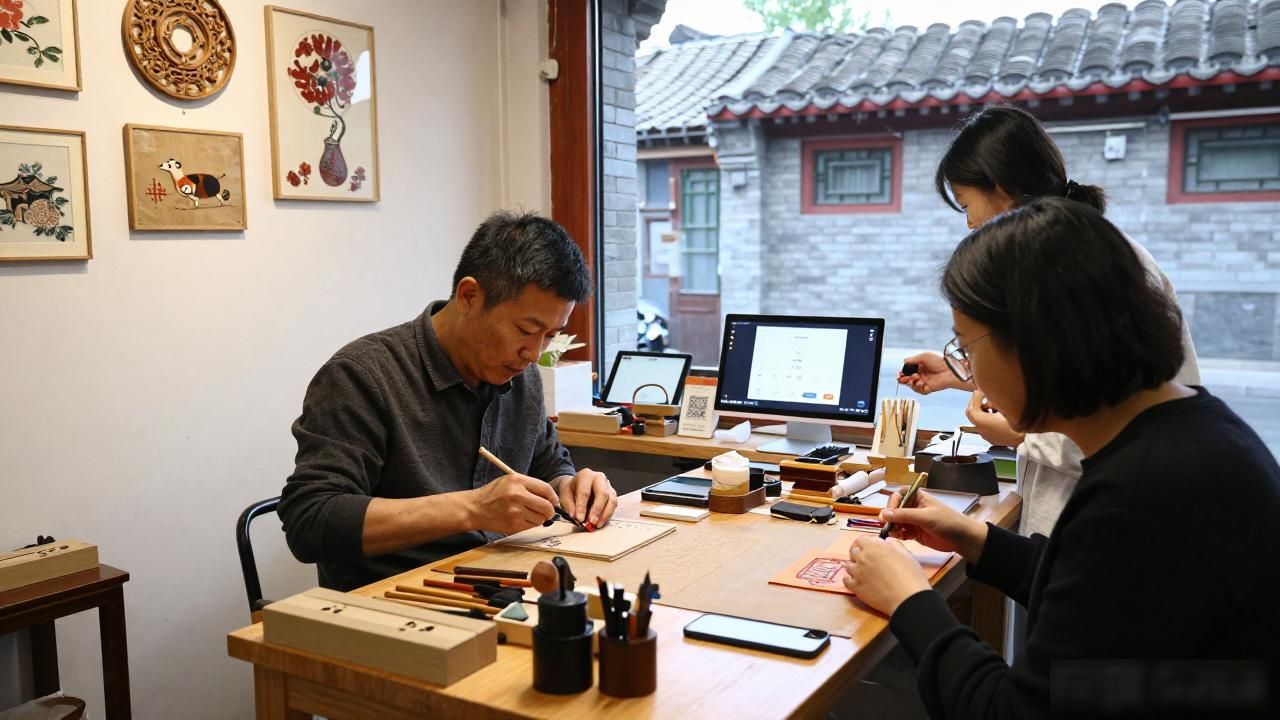
For genuine encounters, seek out small family-run studios in quieter hutong clusters like Dongcheng’s Shichahai area. Many craftsmen welcome visitors to watch their process or even try simple techniques. Online platforms now connect international buyers directly with artisans, ensuring fair compensation while delivering beautifully packaged pieces to your doorstep.
Authenticity requires discernment—mass-produced items flood tourist markets at bargain prices, but truly handcrafted pieces command respect for their time-intensive creation. Budget accordingly and prioritize shops that display certificates of origin or connect you directly with the maker’s story.