
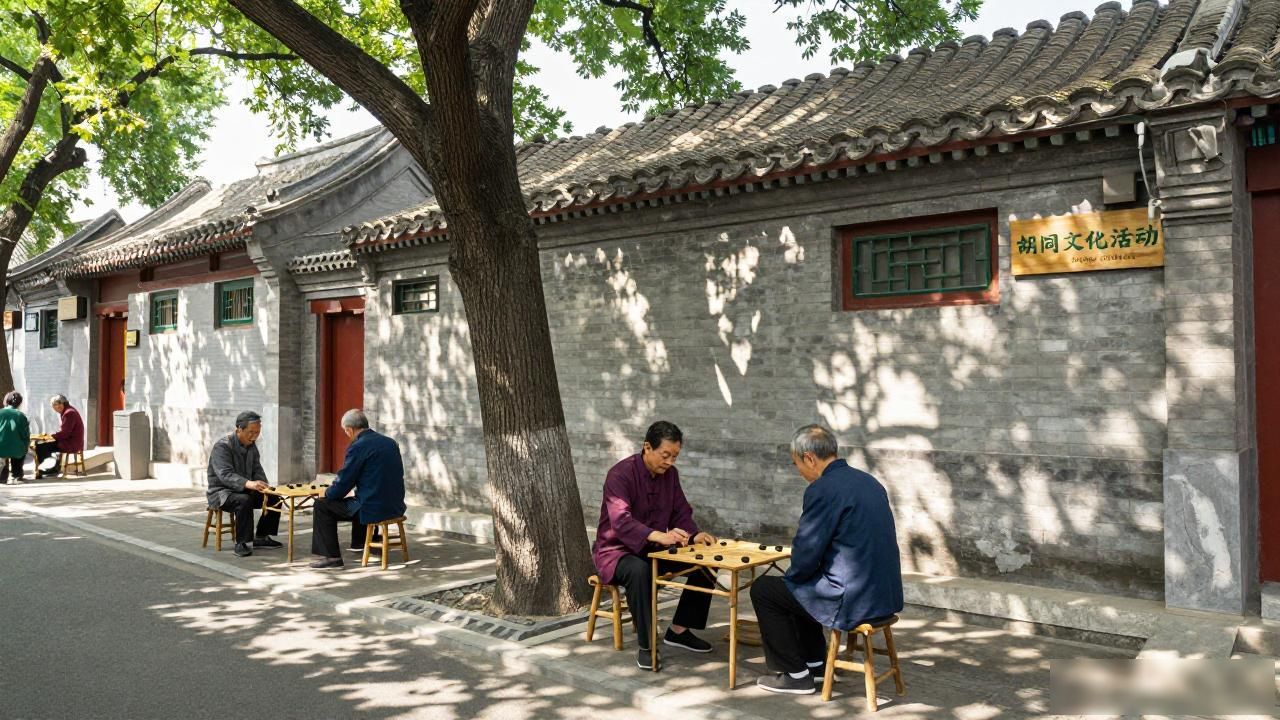
For travelers who have exhausted the Forbidden City and the Great Wall, Beijing reveals its true soul in the narrow alleyways known as hutongs. These historic residential neighborhoods are far more than scenic photo backdrops; they are living communities where centuries-old customs, local crafts, and community traditions still thrive.
Hutong cultural activities offer a rare window into the everyday rhythms of Beijing life, blending historical heritage with contemporary community practices. From calligraphy workshops and traditional snack-making to courtyard opera performances and neighborhood storytelling sessions, these experiences provide a grounded, human-scale encounter with the capital.
What Hutong cultural activities are worth experiencing

Not every hutong offers the same opportunities, but several standouts consistently deliver authentic encounters. A community-run calligraphy workshop in Nanluoguxiang-area alleys invites visitors to sit with local elders who guide beginners through brush techniques using centuries-old methods. The atmosphere feels like a living classroom rather than a tourist attraction, with participants ranging from children to foreign students genuinely eager to learn.
Another standout is the traditional snack-making class hosted by multi-generational families in the Shichahai district. Participants roll jianbing crepes, shape zhajiangmian noodles, or fold dumplings while hearing family recipes passed down through decades. These sessions rarely have English signage; guides typically translate on the fly, creating organic,sometimes awkward, always memorable exchanges.
Courtyard tai chi gatherings at dawn in Wangfujing-adjacent hutongs represent a quieter but equally rewarding option. Joining locals in synchronized movements before the city fully wakes provides a contemplative counterpoint to Beijing’s frenetic pace. Most sessions welcome outsiders, though observers should arrive early, dress modestly, and follow the group’s lead rather than attempting to direct the practice.
How to find and participate in hutong cultural programs
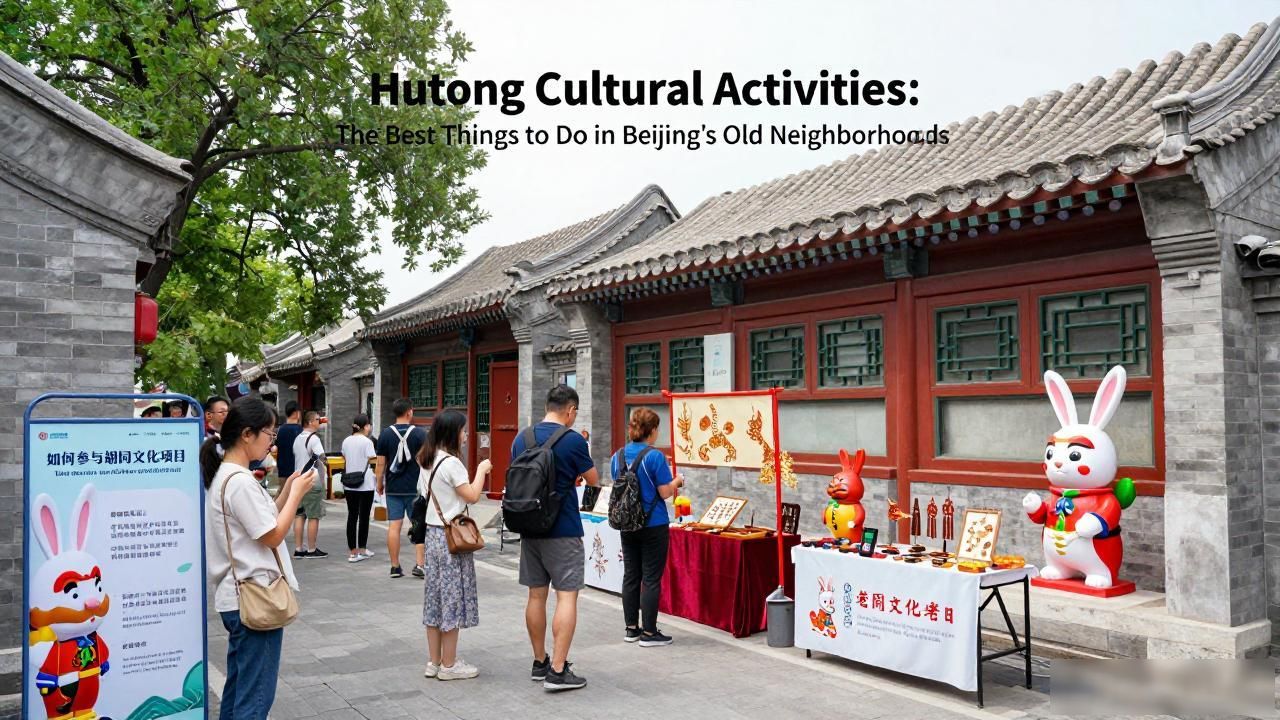
Organizing access requires stepping slightly off the beaten path. Many programs are promoted through local WeChat mini-programs, community bulletin boards in residential compounds, or word-of-mouth recommendations at neighborhood teahouses. Independent guides affiliated with hutong heritage associations can also arrange visits, though verifying their credentials is essential to avoid superficial experiences packaged for outsiders.
Budget expectations vary widely. A simple tea-and-story session with a local family might cost as little as thirty yuan, while a half-day craft workshop with materials and meals can run between two hundred and four hundred yuan. Booking a few days in advance through community platforms yields better results than showing up unannounced, especially during peak tourist seasons.
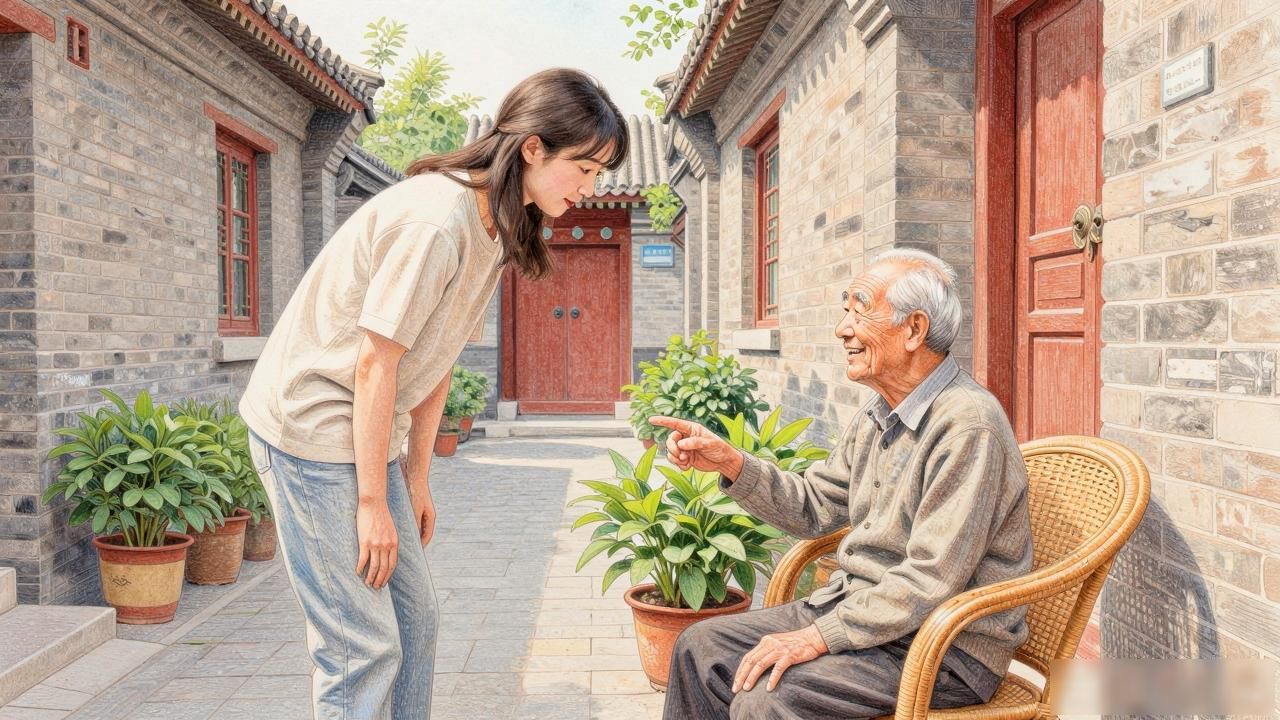
Visitors should approach participation with cultural humility rather than a checklist mentality. Hutong residents are not performers; they are hosts sharing fragments of their daily world. Politeness, patience, and a willingness to engage beyond the photo opportunity transforms a brief visit into a genuine exchange. The most resonant moments often come not from structured activities but from spontaneous conversations on courtyard benches or shared meals at communal tables.
The hutongs endure as Beijing’s most intimate cultural archive. Their activities do not cater to perfection or polish, and that imperfection is precisely what makes them valuable. Visitors who listen closely will discover that these neighborhoods continue to shape the city’s identity in ways no museum exhibit can fully capture.