
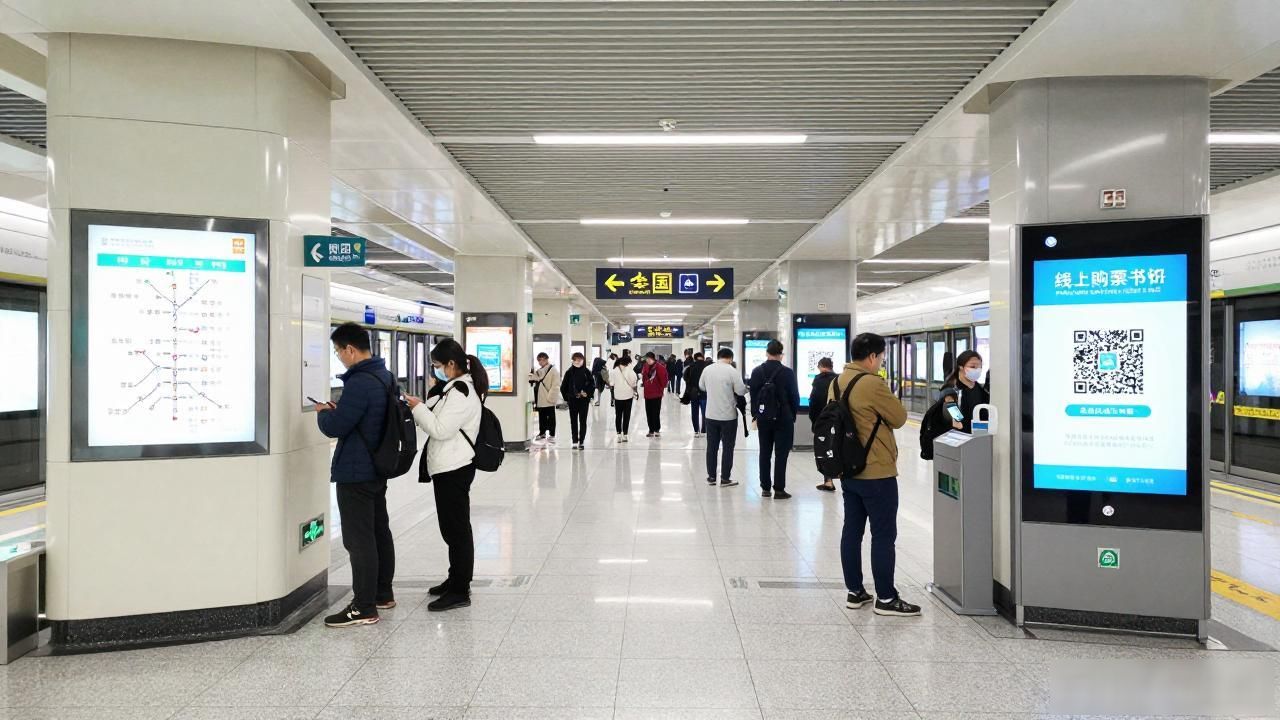
I have been living in China for over eight years now, and if there is one thing I can say with certainty, it is that the country’s public transportation system is a miracle. When I first arrived in Beijing back in 2018, I thought I would never figure it out. Five years later, I hop on subways, high-speed trains, and city buses almost without thinking. The sheer scale of this network is something you simply have to experience to believe.
How does China high speed rail connect major cities
The China Railway High-Speed, commonly known as CRH, is the backbone of intercity travel in this country. This is not just impressive engineering. It is the everyday reality for millions of people who commute between cities daily. The network stretches across all of eastern and central China, connecting places like Beijing, Shanghai, Guangzhou, Shenzhen, and Chengdu with remarkable efficiency. A trip from Beijing to Shanghai takes roughly four hours, covering nearly 1,300 kilometers at speeds of up to 350 kilometers per hour.

I took this route myself last month and was struck again by how seamlessly everything runs. The stations are clean and well-signed, both in Chinese and English. Buying tickets used to require queuing at physical windows with your passport. Now the process is almost entirely digital. You can purchase tickets through the official 12306 app or WeChat mini-program, though foreigners sometimes find the verification process frustrating. Keeping a copy of your passport handy at the station still helps avoid headaches.
The real game-changer for travelers is the integration between high-speed rail and metro systems. Most major high-speed stations sit directly above or adjacent to subway lines, which means you can arrive from one city and immediately transfer to the metro heading into town. This connection eliminates the anxiety of landing in an unfamiliar city and scrambling to find your way downtown.
How to navigate China city metro and bus systems
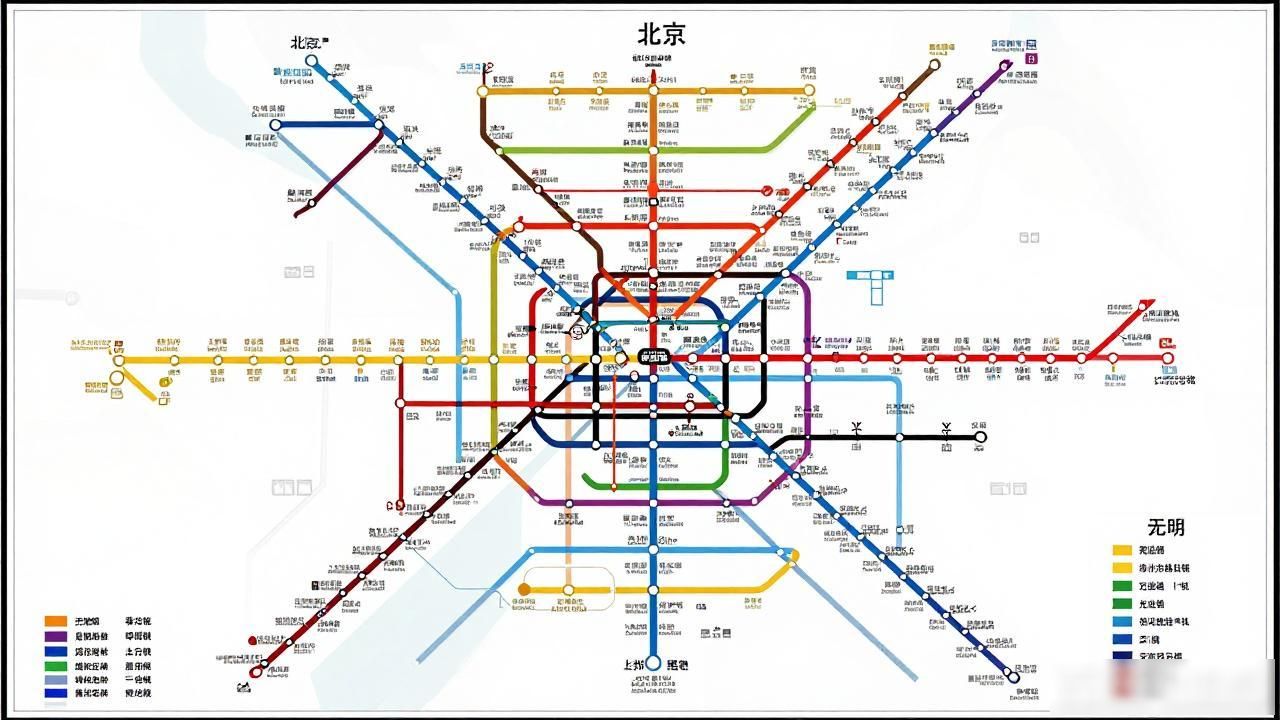
Every major Chinese city now operates at least one subway line, and many cities boast networks spanning dozens of lines. Beijing alone has over twenty lines covering more than seven hundred kilometers. Shanghai ranks second with a similarly vast system. Even smaller cities like Kunming and Wuxi have modern metro networks that are clean, safe,and affordable. Fares typically range from two to ten yuan depending on distance, which makes daily commuting incredibly cheap by international standards.
Buses fill the gaps that metros cannot reach. They crisscross every neighborhood and run frequently throughout the day. Most buses accept contactless payment through QR codes or transit cards, though some older routes still only take cash. The app Amap, known as Gao De Dao Tu in Chinese, is absolutely essential for navigating both buses and metros. It shows real-time arrival information, route planning, and even walking directions to and from stations.
Foreign visitors should download a few key apps before arriving. Alipay and WeChat Pay are indispensable for paying fares, buying metro cards, and ordering food at stations. Having these set up before you land will save you enormous stress during those first chaotic days. The learning curve is steep but worth every bit of effort.
What should foreigners know about China transportation connections
The biggest advantage of China’s public transportation network is its predictability. Trains run on time, stations are secure, and the pricing is transparent. There are no surge charges during rush hour and no hidden fees buried in fine print. What you see is what you pay, and the numbers are always reasonable. This reliability gives travelers a sense of freedom that is hard to find elsewhere.
The downside is that digital dependency creates barriers for non-Chinese speakers. Most apps exist only in Chinese, and customer service is nearly impossible to reach without fluency. However, this is changing rapidly. Major cities now offer English-language versions of their metro maps and station signage is bilingual. Younger Chinese people are increasingly patient and helpful when they realize you are struggling with technology.
Once you conquer the initial learning curve, exploring China becomes remarkably simple. The transportation connections between cities and within them form an incredibly dense web that makes even remote destinations accessible. I have visited places I never thought I would see, all because the train network extends further than most foreigners realize. The system is built for efficiency, and once you learn its rhythms, it feels almost effortless.