
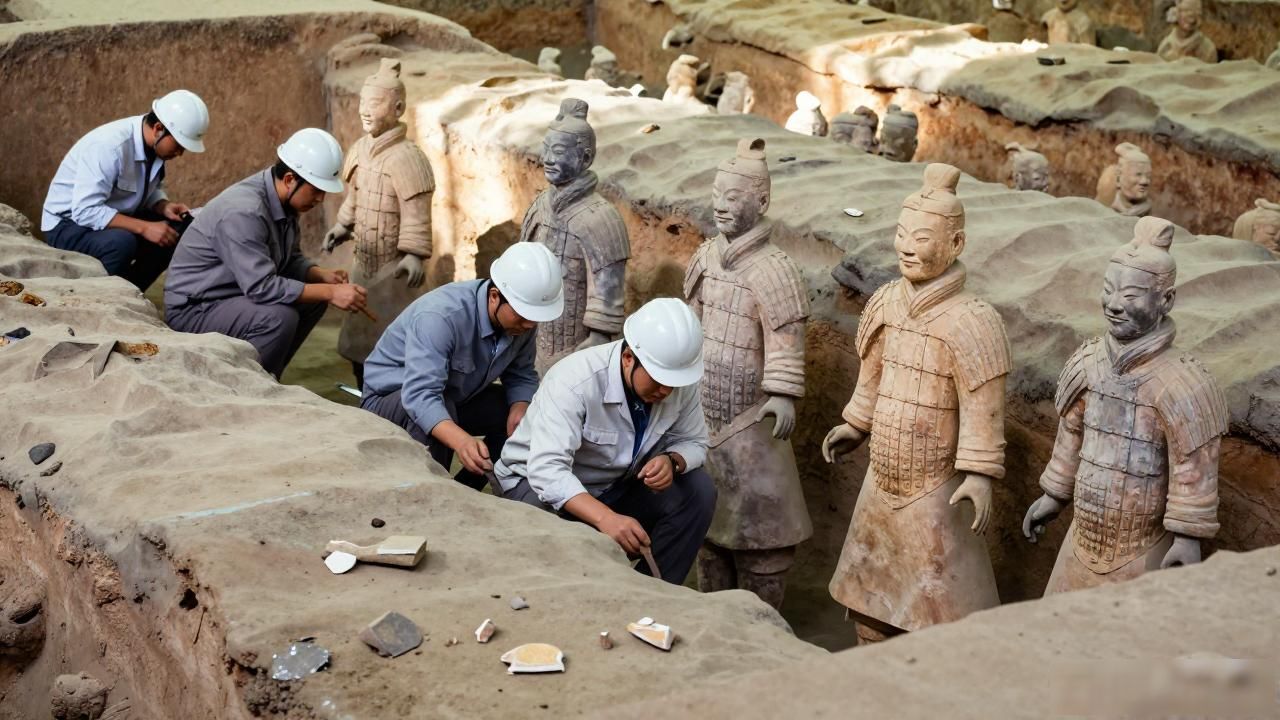
Standing before the Terracotta Army for the first time is an experience that reshapes your understanding of ancient craftsmanship. These life-sized warriors, buried over two thousand years ago, have survived wars, earthquakes, and centuries of neglect. Yet today, their greatest threat comes not from external enemies but from the very act of preserving them for future generations. The fragile remains of this archaeological treasure face constant danger from environmental changes, structural shifts, and human interaction. As someone who has spent over a decade working on cultural heritage preservation, I have witnessed both the triumphs and the heartbreaking setbacks in protecting these magnificent figures.
What Makes Terracotta Warriors So Difficult To Preserve

The excavation process itself created problems that continue to plague conservators today. When archaeologists first uncovered these figures in 1974, they discovered something astonishing: the warriors were originally painted in vibrant colors. Unfortunately, the moment the painted surfaces were exposed to air after centuries underground, the lacquer layer beneath the pigments began drying within minutes. This rapid moisture loss causes the colored paint to curl, crack, and eventually detach from the clay surface entirely. Scientists worldwide raced to develop techniques to stabilize this delicate material, but progress has been slow and costly.
Climate control inside the exhibition halls represents another persistent challenge. The Xi’an region experiences dramatic seasonal temperature fluctuations, ranging from freezing winters to humid summers. These variations cause the terracotta figures to expand and contract, creating stress fractures that compromise their structural integrity over time. The soil surrounding the pits also contains varying levels of moisture and salts, which migrate into the clay bodies and cause crystallization damage. Conservators must monitor humidity, temperature, and atmospheric pollution around the clock, adjusting conditions continuously throughout the year.
How Scientists Are Fighting To Save Ancient Artifacts
Research institutions across China and abroad have invested enormous resources into finding solutions. Advanced imaging technology now allows researchers to document every crack, every flake of paint, and every structural weakness without physically touching the artifacts. Synthetic consolidants and specialized adhesives developed in recent years have shown remarkable promise in stabilizing fragile painted surfaces that were previously beyond recovery. These materials penetrate deep into the clay matrix, reinforcing weakened areas while remaining nearly invisible to the naked eye.
Microclimate chambers represent another groundbreaking approach. Researchers are building controlled environments around individual pits where temperature, humidity, and air quality can be precisely regulated. This means visitors can still experience the breathtaking scale of theTerracotta Army while the figures themselves exist in a carefully maintained bubble of stable conditions. The technology behind these chambers was originally developed for medical and pharmaceutical storage, but adapting it for cultural heritage has proven surprisingly effective.
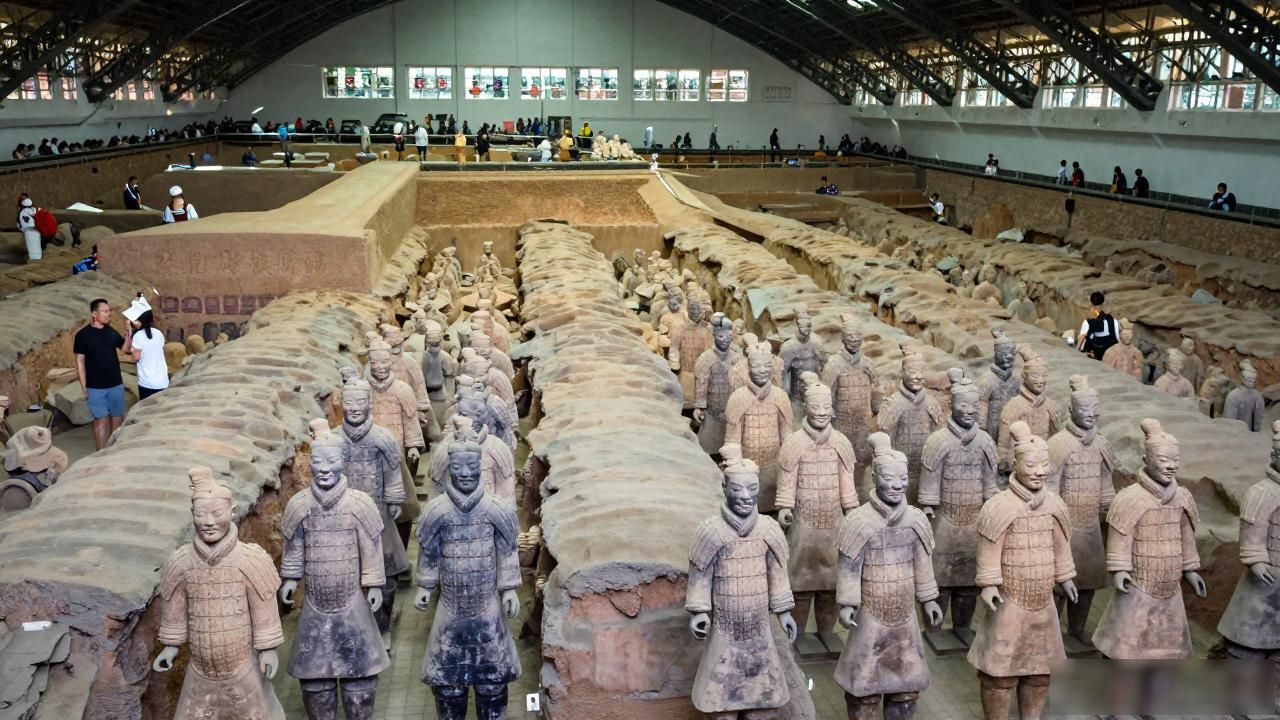
Public access management has also become a critical component of preservation strategy. Visitor numbers at the Mausoleum of the First Qin Emperor have grown exponentially over the past two decades. More people breathing, more body heat, more foot traffic vibrating the ground — all of these factors contribute to gradual deterioration. Timed ticketing systems, limited daily capacity, and restricted proximity to the excavation sites have been implemented to reduce the cumulative impact of tourism. Balancing public education with physical protection remains one of the most contentious debates within the conservation community.
The terracotta warriors belong to all of humanity,not just to one nation or one generation. Protecting them requires sustained investment, international cooperation, and genuine public commitment. Every cracked surface, every lost fragment of pigment, represents knowledge that will never be recovered. The techniques being developed today may well determine whether these extraordinary figures survive another two thousand years or fade into irreversible decline.