
Navigating China’s transportation network as a foreign visitor can feel intimidating at first glance. The sheer scale of the system is staggering — China operates the world’s largest high-speed rail network and metro systems that stretch across dozens of major cities. But here’s the good news: once you understand the basics, getting around becomes remarkably straightforward. The infrastructure is modern, the fares are affordable, and connectivity between cities and within urban areas is excellent.
Can foreigners use China high speed trains easily
China’s bullet train network, known locally as Gaotie, connects virtually every major city across the country. Journeys between megacities like Beijing,Shanghai, Guangzhou, and Shenzhen take just a few hours compared to the long flights that used to be necessary. A trip from Beijing to Shanghai, for instance, takes about four and a half hours by train versus over two hours of flight time once you factor in airport procedures.

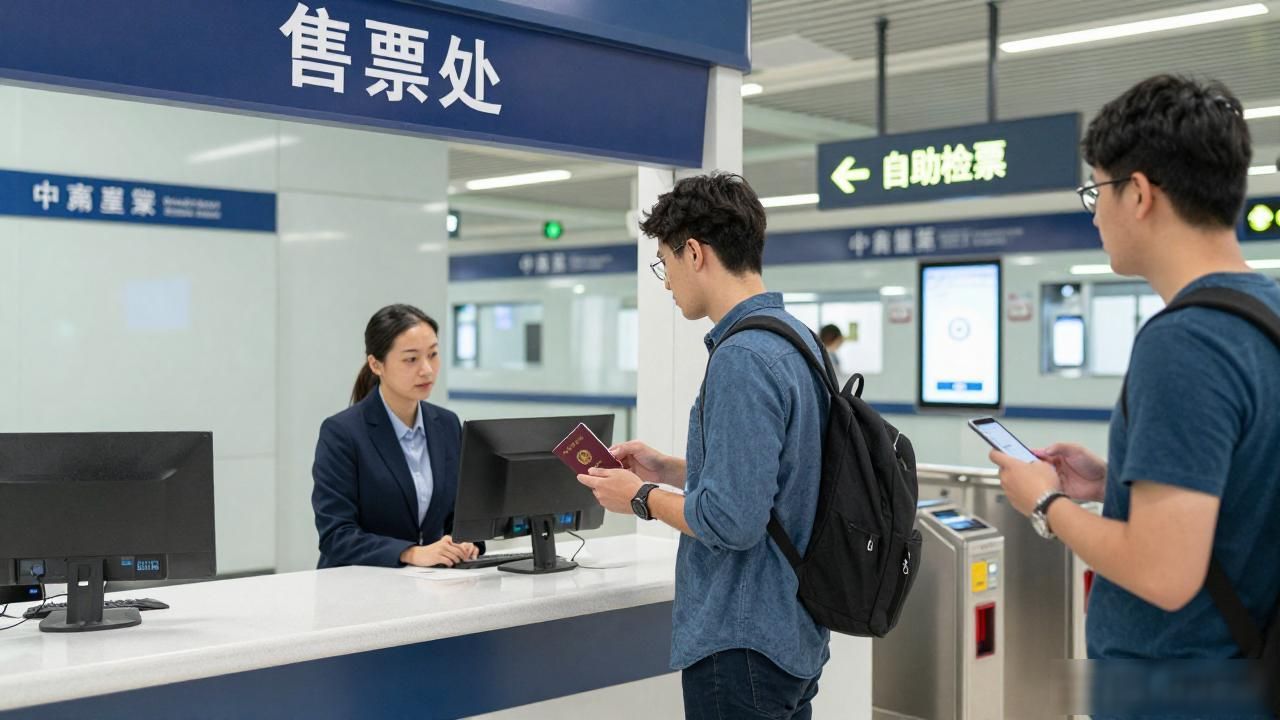
Foreign visitors can purchase tickets at station counters with their passport, but booking through apps like or Ctrip is far more convenient. You will need your passport to board, so keep it handy rather than locked away in your hotel safe. The ticket checking process is automated — you simply scan your passport at the gate and the barrier opens. No queueing for paper tickets anymore.
Trains run on time with impressive reliability, and English translations are available on station screens, signage, and within train carriages. Major stations like Shanghai Hongqiao and Beijing West have helpful English information desks where staff can assist with basic questions about connections and schedules.
How to ride metro systems in China as a tourist
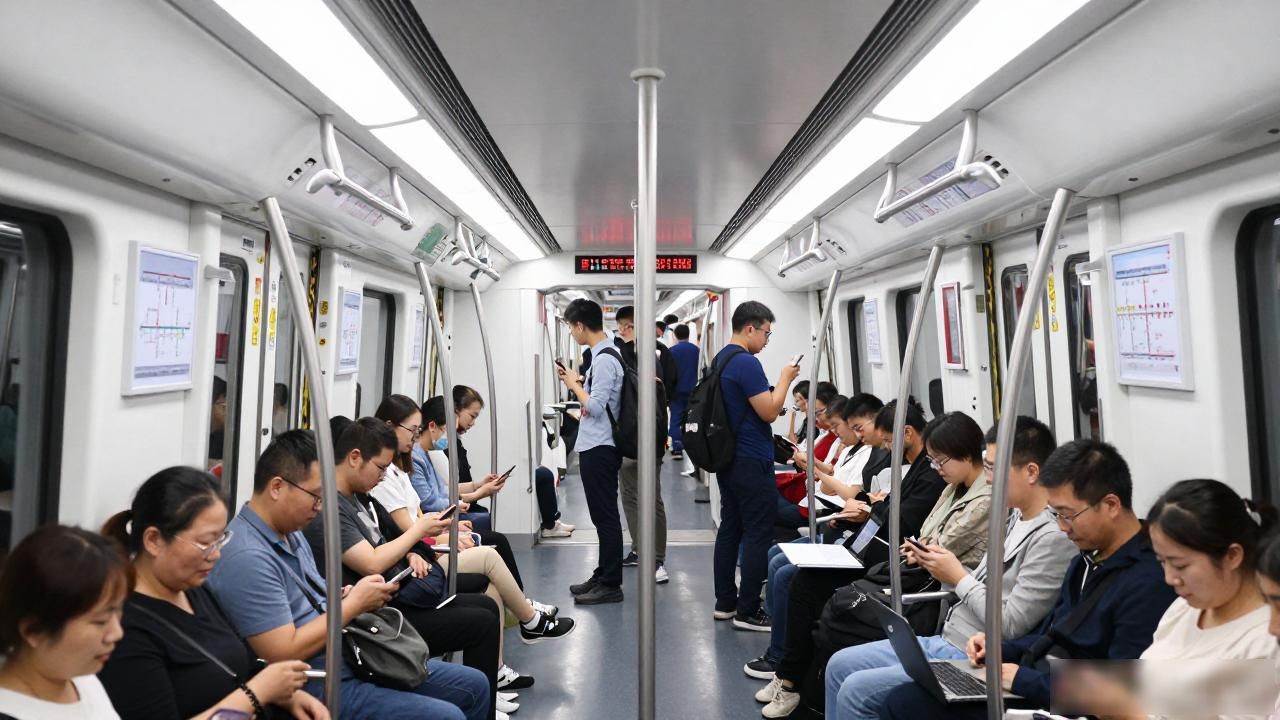
China’s urban metro systems are clean, air-conditioned, and extremely efficient. Beijing alone has over twenty lines covering the entire metropolitan area. Shanghai’s network is equally impressive, reaching into suburban districts. For getting around within a city, the metro is almost always faster than taxis during peak hours.
Payment has become simple for foreigners. Most stations now accept contactless bank cards and mobile payment apps. Alipay and WeChat Pay both offer transportation modes that work seamlessly — just link your international card and you’re set. If you prefer not to set up these apps, single-journey tickets are available at vending machines, though you’ll need to retrieve and deposit your token at each station.
Station maps in major cities are available in English, and many lines feature English announcements alongside Chinese audio. Look for the color-coded line maps posted at station entrances — they make route planning straightforward even if you cannot read the station names. Line numbers and colors remain consistent throughout your journey.
What tips help foreigners connect between transport options
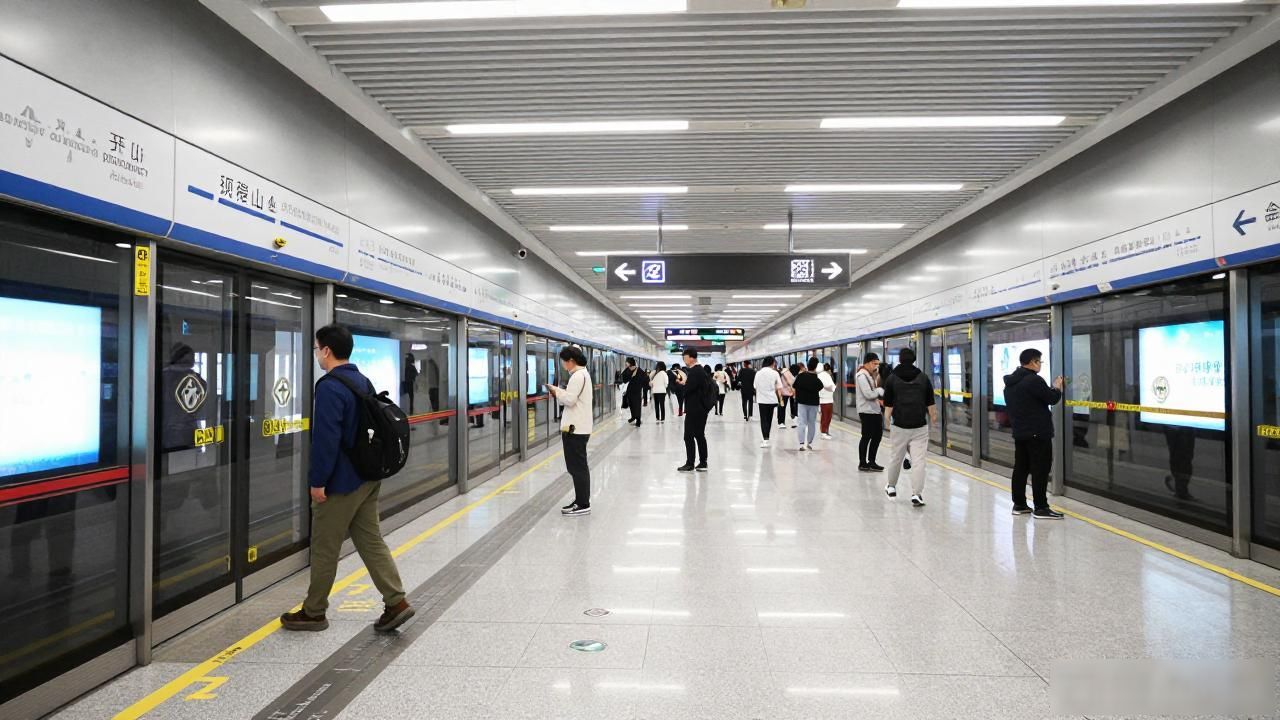
Transferring between different transportation modes in China is generally smooth, but a few practical tips will save you considerable frustration. Most high-speed rail stations are directly connected to metro lines, which means you can walk from your train to the subway without stepping outside. Look for transfer signage inside stations — it is usually bilingual with clear directional arrows.
Download the metro map for each city before arrival. Beijing and Shanghai both offer official apps with English interfaces showing real-time train arrivals and route planning. Baidu Maps and AMap have English versions and can calculate routes using public transportation, including combined metro and bus itineraries.
Taxis and ride-hailing services like Didi are readily available near major transport hubs. Having your destination written in Chinese characters on your phone will help drivers who do not speak English. Learning a few basic phrases for directions proves useful, though most younger Chinese people in cities will understand simple English. Patience and a positive attitude go a long way in making the experience enjoyable.