
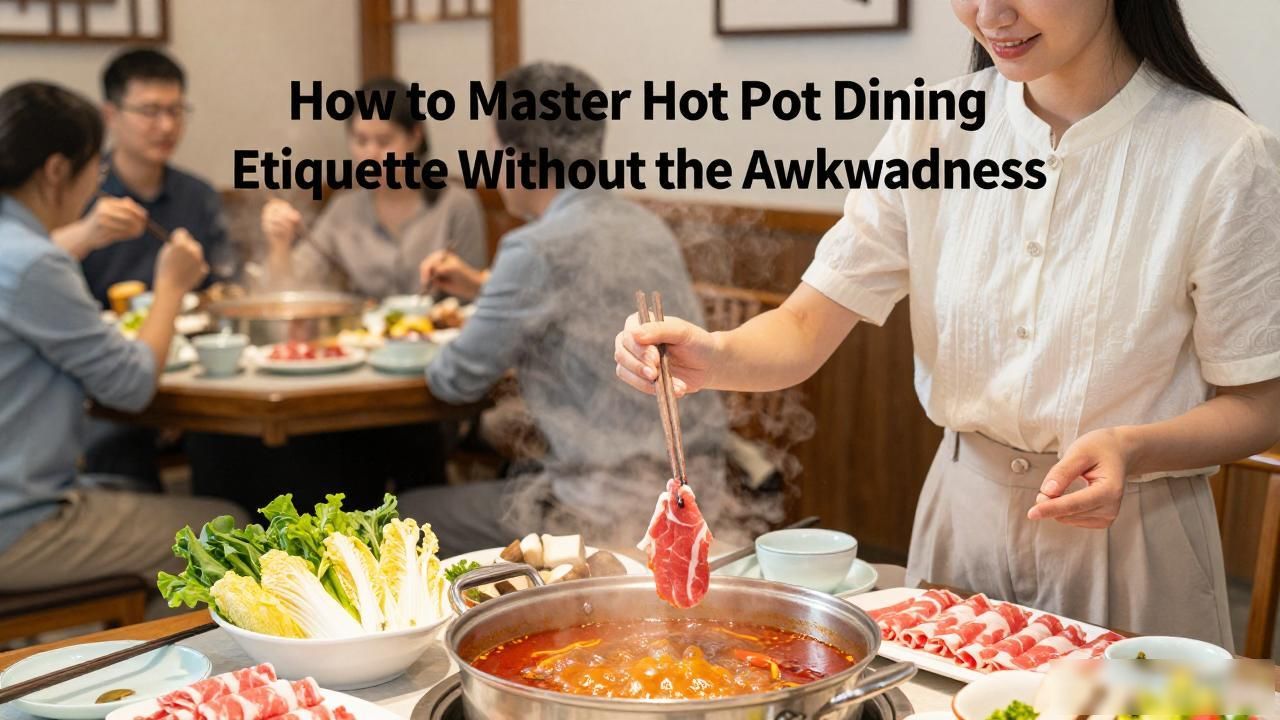
Navigating a hot pot meal can feel like stepping into a chaotic, bubbling battlefield if you don’t know the rules. For many foreigners, the communal nature of this Chinese dining experience is both thrilling and terrifying. You are not just eating; you are participating in a ritual where timing, respect, and coordination matter as much as the food itself. The steam rising from the center isn’t just heat; it’s a test of your social intelligence. Understanding the unspoken codes ensures that you enjoy the flavors without offending your hosts or fellow diners. It transforms a potential disaster into a memorable, bonding experience.
Why do I keep ruining my meat?

The biggest mistake newcomers make is treating the boiling broth like a personal cooking station. Meat must be sliced thinly to cook in seconds, not minutes. If you drop a thick chunk in, you will turn it into rubber before anyone else gets a bite. The golden rule is the “swish.” Dip the slice in, move it gently for ten seconds, lift it out when it changes color, and place it directly into your own bowl. Do not let it sit in the pot stirring up sediment. This prevents cross-contamination and keeps the broth clear for others.
You must also manage your chopsticks wisely. Never double-dip used chopsticks into the communal ladle or the shared sauce dish. Use the provided serving spoons for transferring food from the pot to your bowl. If you must eat directly from the pot, ensure your chopsticks have never touched your mouth. It sounds strict, but hygiene is paramount in these shared environments. Always use serving utensils for the communal pot to maintain a clean dining atmosphere for everyone involved.
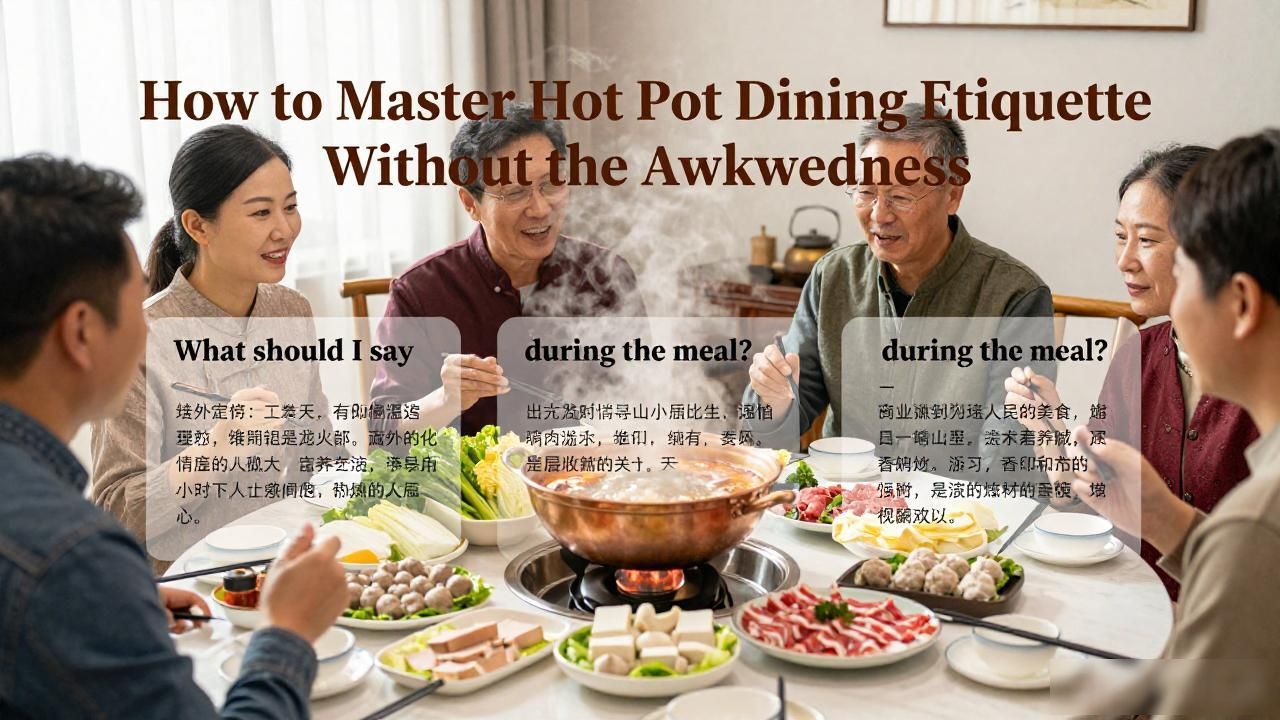
What should I say during the meal?
Hot pot is inherently social, so silence is often interpreted as disinterest or awkwardness. Engage with your companions by asking if they want more ingredients added to the pot. If someone takes too long to find their food, offer to help retrieve it. Compliment the broth or the quality of the meat frequently. This builds rapport and shows appreciation for the host’s choice. The conversation should flow as freely as the soup.
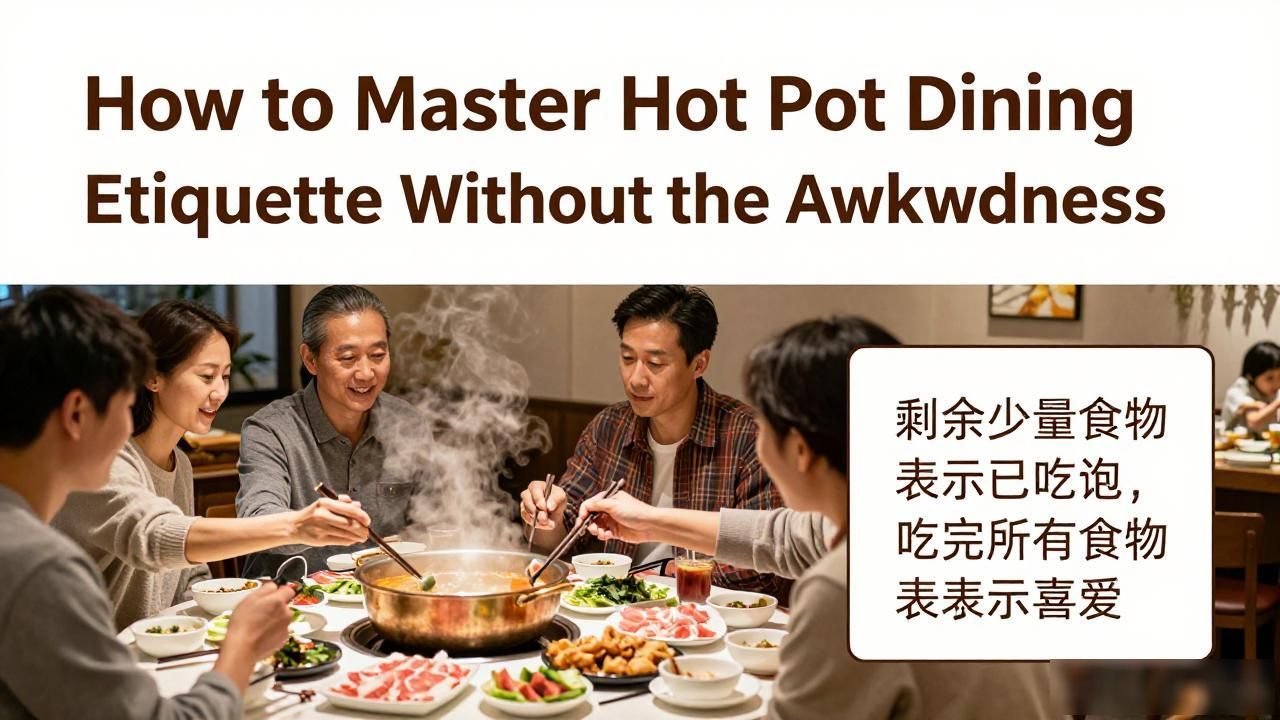
When the meal is winding down, it is polite to ask if everyone has had enough. Do not rush to finish your bowl if others are still eating; wait for the group to pace themselves. Leaving a small amount of food can sometimes signal you are full, but finishing everything shows you enjoyed the host’s generosity. Check on your neighbors regularly to ensure no one is struggling to cook their items. This attentiveness is the hallmark of good etiquette.
Ultimately, mastering hot pot etiquette is about empathy. It is about ensuring that every person at the table enjoys the same high-quality experience. By respecting the cooking process and engaging warmly with others, you become a valued part of the gathering. The food is delicious, but the connection you build is what people remember. Embrace the chaos,follow the basic rules, and let the warmth of the pot bring everyone closer.