
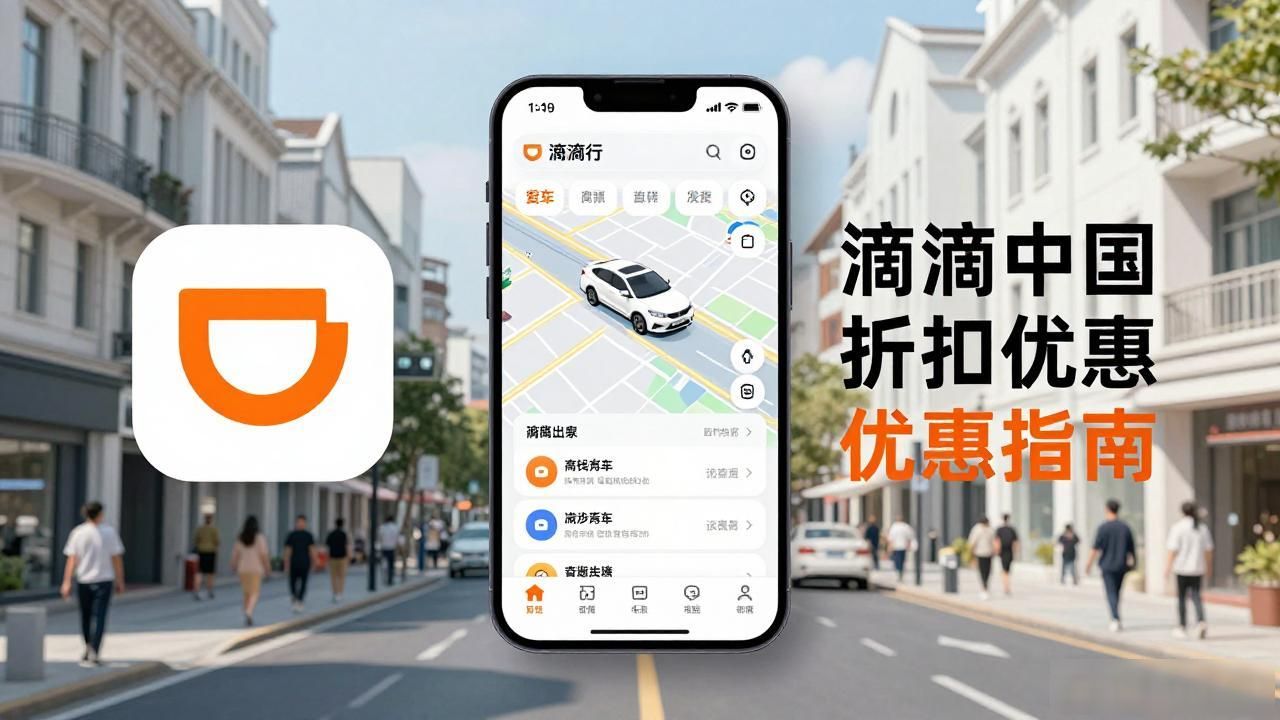
China’s transportation landscape has shifted dramatically over the past decade, and ride-hailing apps have become indispensable for both locals and foreigners navigating the country’s vast cities. Among these platforms, Didi stands out as the undisputed market leader, commanding roughly 87% of all ride-hailing trips nationwide. For international visitors and expatriates, understanding how to navigate this system while keeping costs reasonable is essential. That’s where discounts come in – and there are several legitimate ways to reduce your Didi expenses without resorting to sketchy third-party services or questionable coupon codes. This guide walks you through the practical strategies that actually work, based on real experience using Didi across multiple Chinese cities.
Didi China Discounts: Which Ones Actually Work?

Many newcomers to China hear about Didi discounts through word of mouth but quickly discover that the reality is more complicated than anyone makes it seem. Didi operates in over 300 Chinese cities, and the discount ecosystem varies significantly depending on where you are, what subscription tier you hold, and even the time of day you request a ride. The most reliable discount category involves promotional pricing tied to specific payment methods. Didi frequently partners with banks and payment platforms like UnionPay, Alipay, and WeChat Pay to offer percentage-based discounts or fixed-amount reductions. These promotions rotate regularly, so staying attuned to announcements within the app is worthwhile.
Another legitimate avenue is Didi’s own loyalty program, which rewards frequent riders with accumulated credits and tiered benefits. The app features a points system called “Didi credits,” earned through regular rides and occasionally through special campaigns. Credits can offset fare costs directly at checkout. Some users report receiving promotional credits simply for maintaining consistent usage patterns, suggesting that Didi values retention enough to incentivize it quietly. Whether this automatic credit distribution is intentional design or algorithmic behavior remains unclear,but the end result is the same: regular riders often see their effective per-trip costs decrease over time without any active effort on their part.

Membership subscriptions represent a third discount category worth considering. Didi offers service packages that bundle ride credits at a discounted rate compared to paying per trip. These packages typically carry expiration dates and usage restrictions, so they only make financial sense if your travel itinerary is predictable enough to justify the upfront investment. Business travelers with fixed schedules tend to benefit more from subscriptions than tourists navigating unpredictable itineraries.
Didi China Discounts: Tips to Maximize Your Savings
Understanding how discounts work is one thing; deploying that knowledge effectively is another. The single most impactful habit you can develop is learning to time your ride requests strategically. Didi’s dynamic pricing model means fares fluctuate based on real-time demand, weather conditions, and local events. Requesting a ride during off-peak hours – typically between 2 PM and 4 PM on weekdays, or after 9 PM on most nights – can yield noticeably lower base fares even before any discounts are applied. Avoiding requests during rainstorms, rush hours, and major city events requires a bit of planning but the savings are immediate and visible.

Payment method selection deserves equal attention. Before confirming any ride, check which payment options are currently offering promotional rates. Didi sometimes runs time-limited discounts on specific channels, and choosing the discounted payment method over your default option can shave meaningful amounts off individual fares. Some users maintain multiple payment accounts precisely to take advantage of these rotating promotions, though casual users may find it sufficient to simply check the payment screen each time before committing.
For longer stays in China, registering for local SIM cards and linking them to Didi opens additional discount channels. Domestic phone numbers unlock city-specific promotions and regional campaigns that international numbers often cannot access. Similarly, using the Chinese version of the app rather than the international interface frequently reveals pricing and promotional differences worth exploring. The international app, while more accessible for non-Chinese speakers, sometimes displays higher base fares and fewer localized deals.