
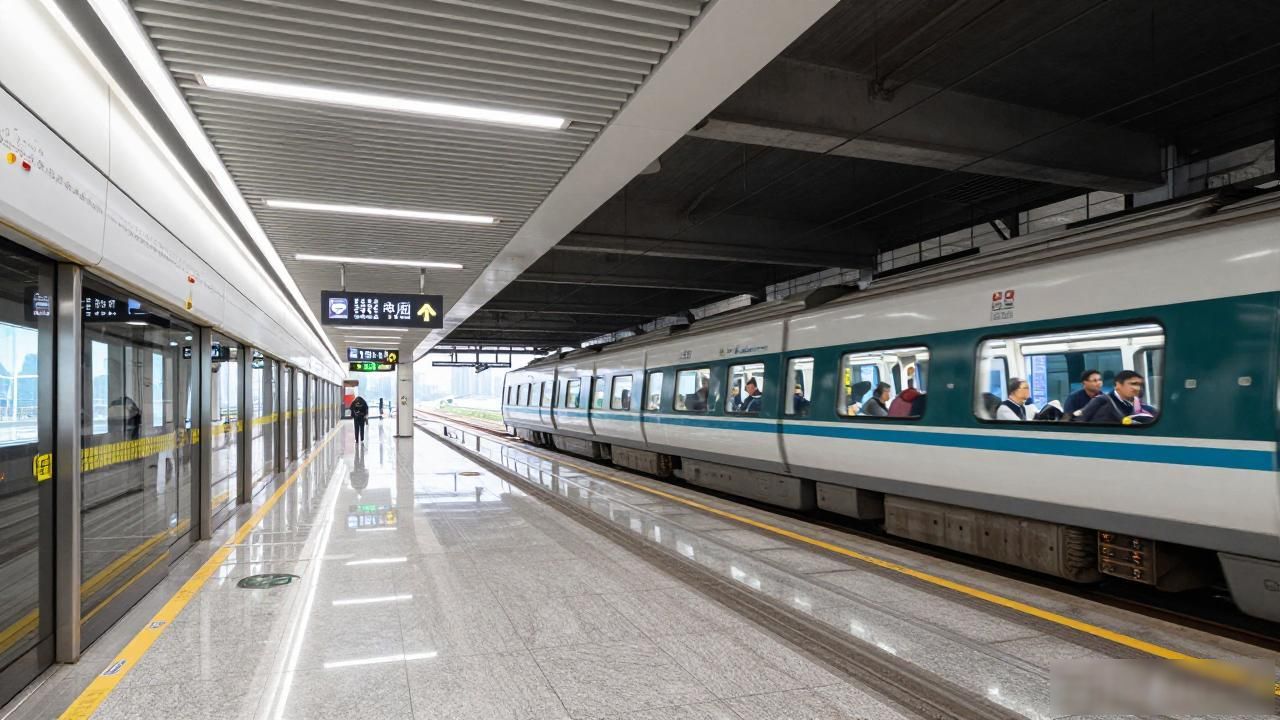
Chongqing is one of those cities that hits you like a wave the moment you arrive. Hills, rivers, and a skyline that feels like something out of a sci-fi movie. But the real challenge for visitors isn’t the scenery—it’s figuring out how to move through this massive, maze-like metropolis. I’ve been guiding travelers here for years, and I can tell you this: once you understand the transportation system, Chongqing opens up completely. The city is huge, but it’s far more navigable than it appears.
How does Chongqing metro work

The metro is your best friend in Chongqing. This city has built an extraordinary underground network that cuts through mountains and crosses rivers, and it’s genuinely one of the most impressive transit systems in China. Lines run from early morning until late at night, and the stations are clean, well-signed, and surprisingly easy to navigate even if you don’t read a single character of Chinese.
You can buy a transit card at any metro station, or simply use Alipay and WeChat to scan and ride. The app-based payment is incredibly convenient and eliminates the need to stand in line. Fares are reasonable, starting around two yuan for short trips and rarely exceeding ten yuan no matter how far you go. The metro covers all the major tourist areas—Jiefangbei, Hongya Cave, Ciqikou,and the Yangtze River Cableway are all within easy reach.
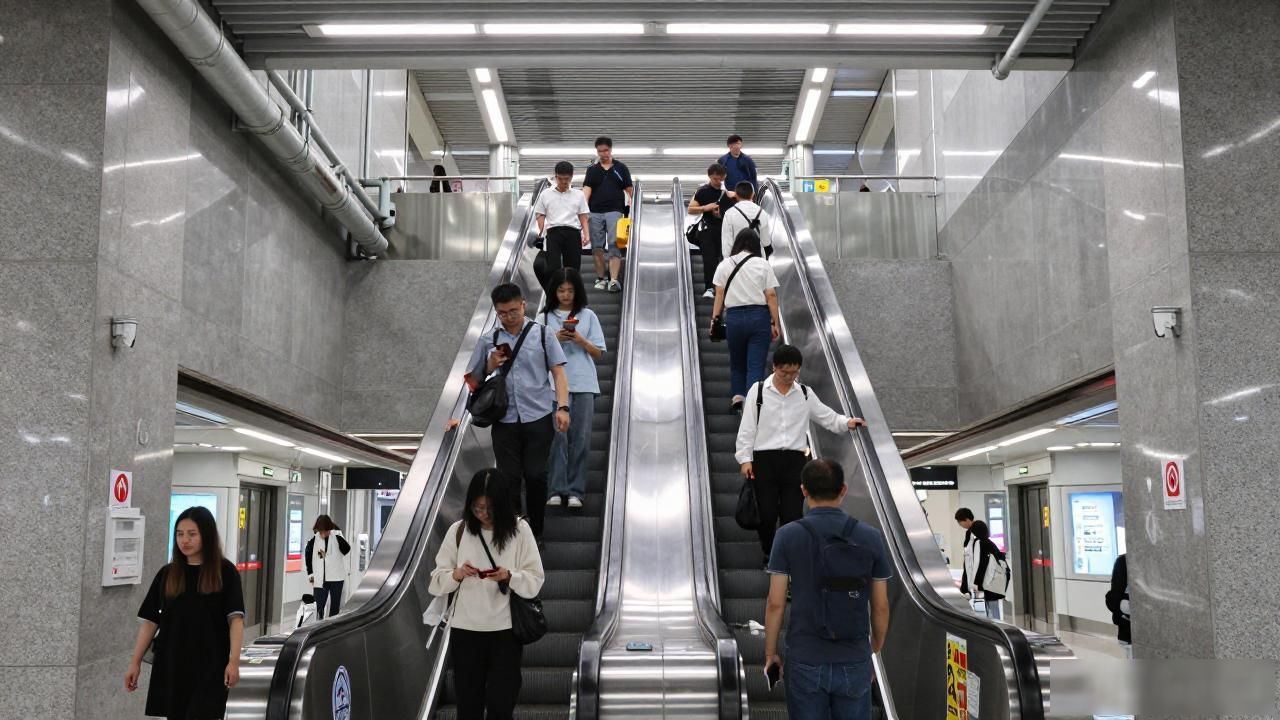
What makes Chongqing’s metro unique is its verticality. Some stations require you to take escalators that feel like they go on forever, climb dozens of flights of stairs, or ride elevators that drop you several levels underground before you even see the street above. Don’t be surprised when your phone’s GPS insists you’re still on the ground floor while you’re actually three levels underground. Always allow extra time when transferring between lines, as some stations are genuinely massive.
What is the best way to travel in Chongqing
Beyond the metro, Chongqing offers several other transportation options that are worth knowing about. The city bus network is extensive and cheap, with most rides costing just one or two yuan. Buses can be confusing for foreign visitors since routes are numbered and stops aren’t always clearly marked in English, but they’re a great way to see neighborhoods the metro doesn’t reach.
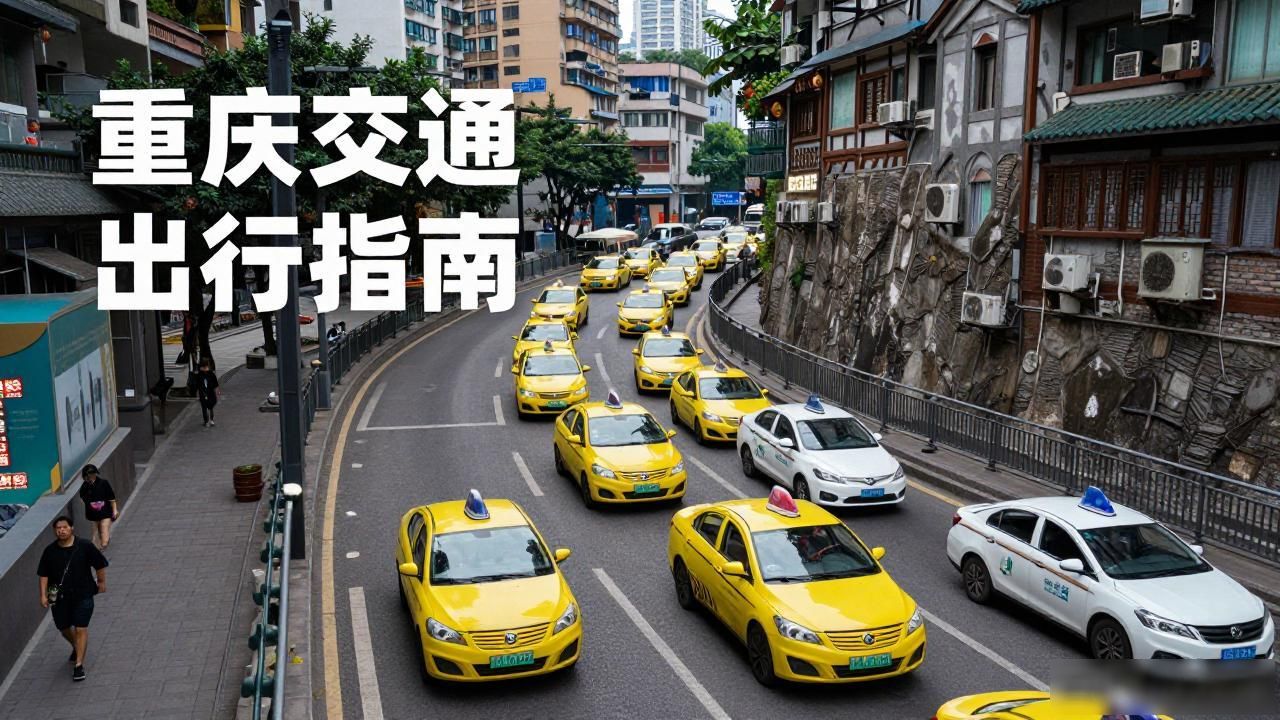
Taxis and ride-hailing services like Didi are widely available and affordable by international standards. A typical ride across the city might cost between fifteen and thirty yuan. The drivers are experienced navigating Chongqing’s winding roads, though you should know that some mountain roads can be surprisingly steep and twisty. If you’re feeling adventurous, you can also try the Yangtze River cable car, which functions as both transportation and a sightseeing experience, offering stunning views of the river and the city skyline.
The key to getting around Chongqing is understanding that this city operates on multiple levels—literally. Streets, buildings, and transit stops exist at different elevations, and what looks like a short distance on a map might require navigating up or down dozens of stairs. Embrace the confusion and ask for help when needed. Locals are generally warm and patient with visitors trying to find their way, and a few gestures or a translated message on your phone can go a long way.