
I have spent the last eight years wandering through China’s old neighborhoods, sitting in teahouses with elderly locals, and learning the rhythms of daily life that tourists rarely glimpse. Chinese culture is not something you observe from a distance — it is something you taste, touch, hear, and slowly understand through patient engagement. The real experience comes when you step away from crowded attractions and allow yourself to be present in ordinary moments.
How to try Chinese tea culture

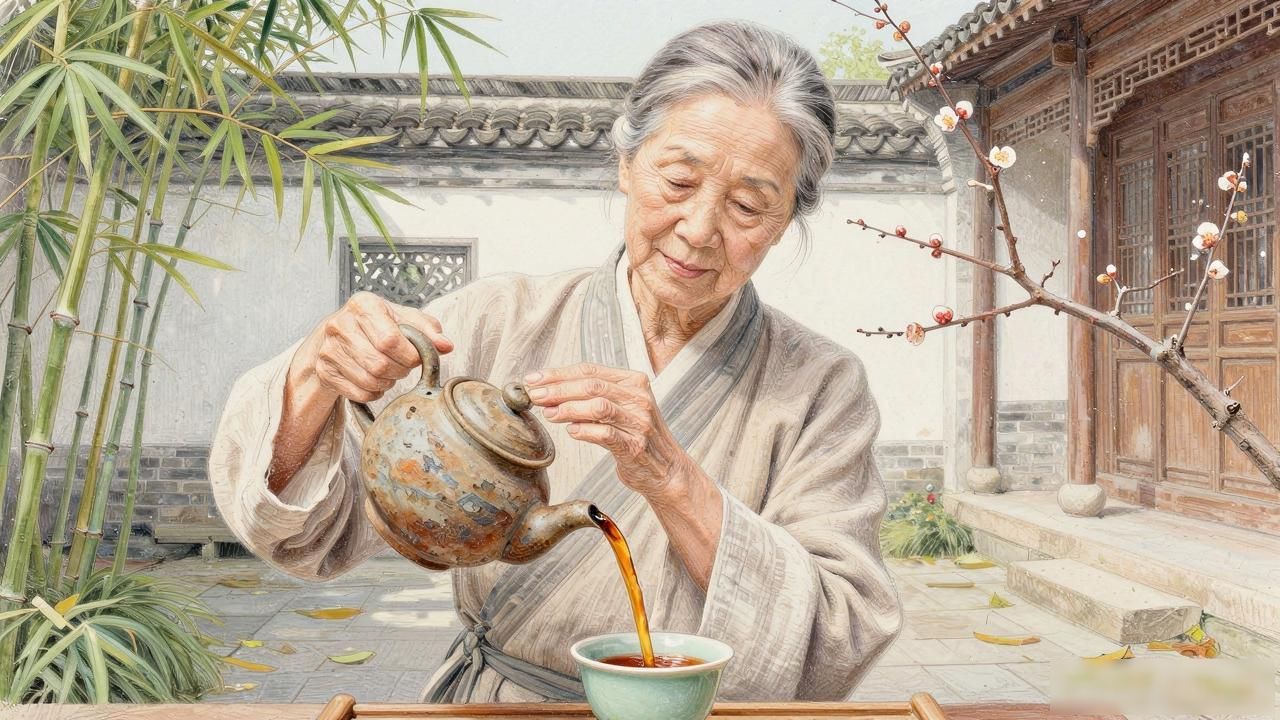
Tea in China is far more than a beverage. It is a social ritual, a gesture of hospitality, and a window into centuries of philosophy. I remember my first proper encounter in a small courtyard in Hangzhou, where an older woman poured dark oolong from a worn clay pot without saying a word. She simply handed me the cup with both hands, and in that silent exchange I understood something about respect and patience that no guidebook could convey.
The ceremony varies across regions. In Guangdong, dim sum tea houses buzz with energy as families gather for morning yum cha. In Fujian, the gongfu tea method transforms brewing into a meditative art form. You do not need to master all the rules — simply showing respect by accepting the cup with two hands and sipping slowly will earn you warm smiles and genuine conversation. Many locals are eager to share their tea culture with foreigners who approach it with humility and curiosity.
What Chinese festivals really mean
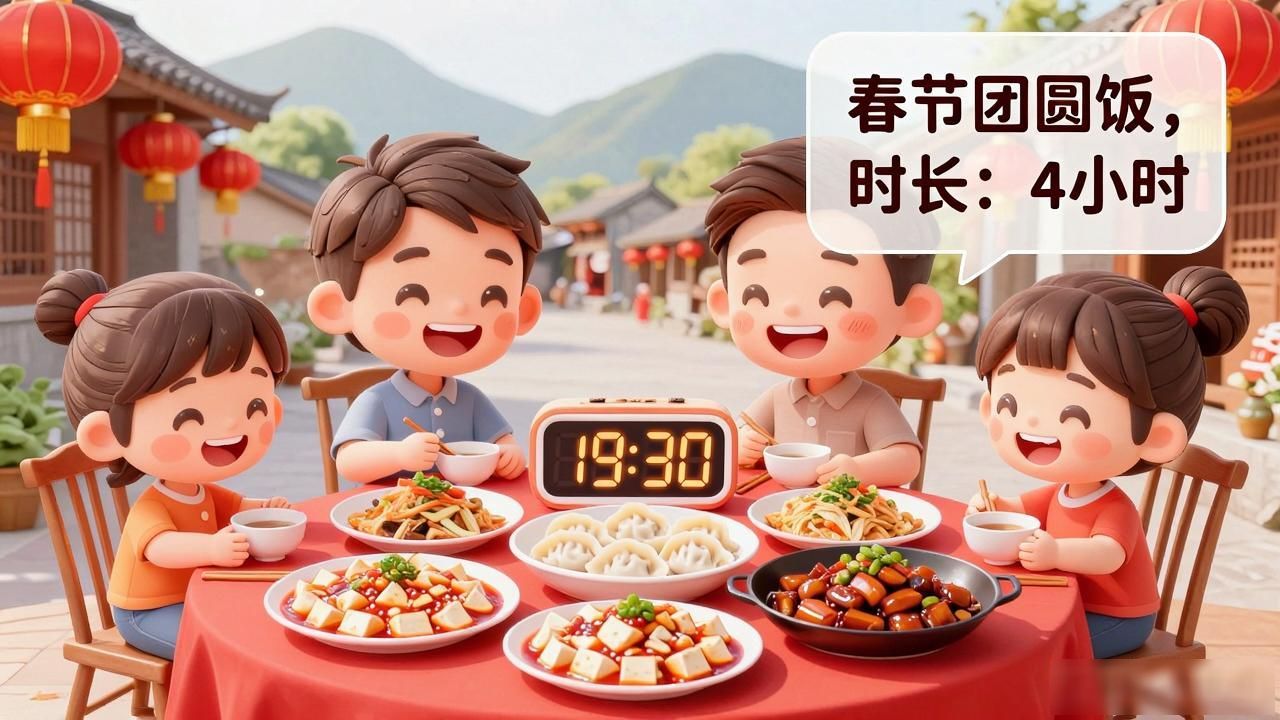
Festivals in China carry emotional weight that goes beyond the visible decorations and fireworks. During the Spring Festival, I once stayed with a family in Sichuan who had migrated to the city for work but returned to their village every year. Their reunion dinner lasted four hours, filled with stories, laughter, and quiet tears. The festival is about connection, memory,and belonging — themes that resonate across all cultures even if the customs differ.
Mid-Autumn Festival offers another profound experience. Sitting under the moonlight sharing mooncakes with strangers who turned out to be kindred spirits is a moment I will never forget. The lanterns floating on rivers, the smell of osmanthus in the air, the simple joy of communal celebration — these are the details that transform a cultural event into a personal memory. You will find that participating in a local festival opens doors that no museum tour ever could.
Where to learn traditional Chinese arts
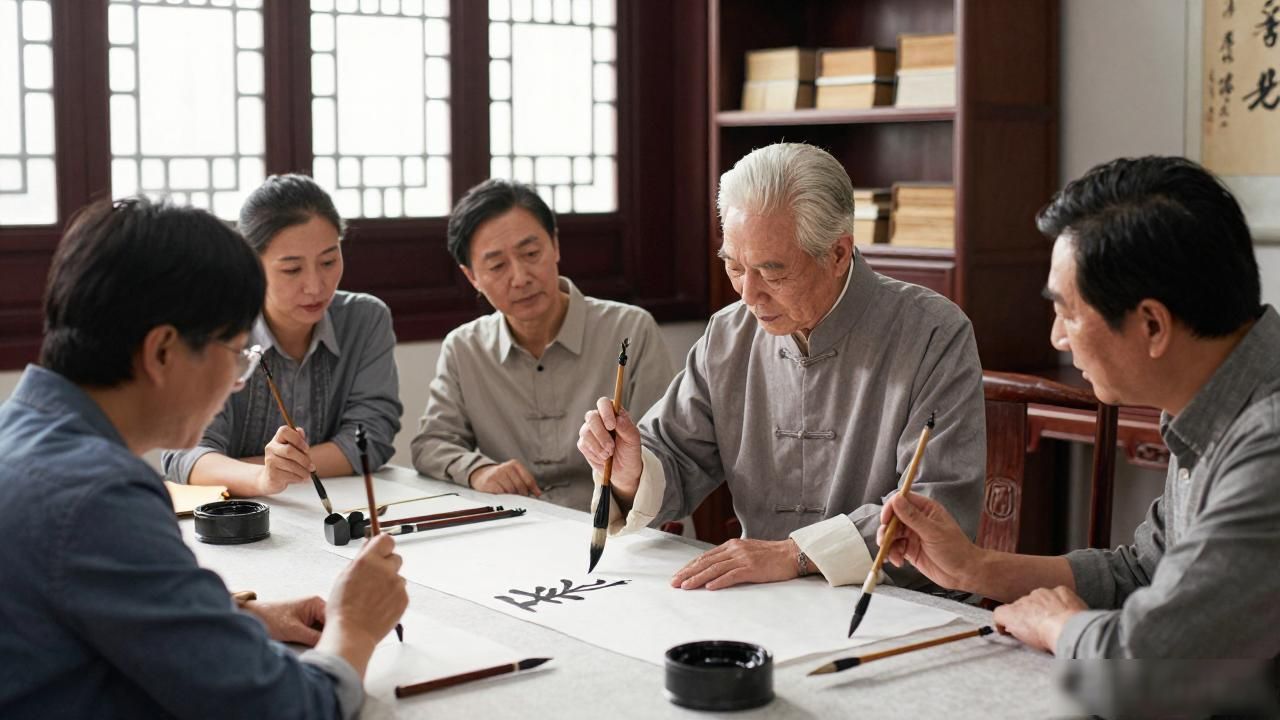
Calligraphy, tai chi, and paper cutting are often reduced to performances for tourists, but the authentic versions are living practices passed down through generations. I began learning brush calligraphy from a retired teacher in Xi’an who insisted that the practice was not about perfection but about breathing, focus, and inner peace. His studio was unmarked, tucked between a noodle shop and a bicycle repair stall — the kind of place that exists in plain sight.
Similarly, joining a morning tai chi session in a public park reveals a different side of Chinese life. Dozens of people move in slow, synchronized harmony while others watch, chat, or jog past. There is no judgment, no performance — just a shared commitment to health and mindfulness. These everyday spaces offer the most honest glimpse into Chinese cultural values.