
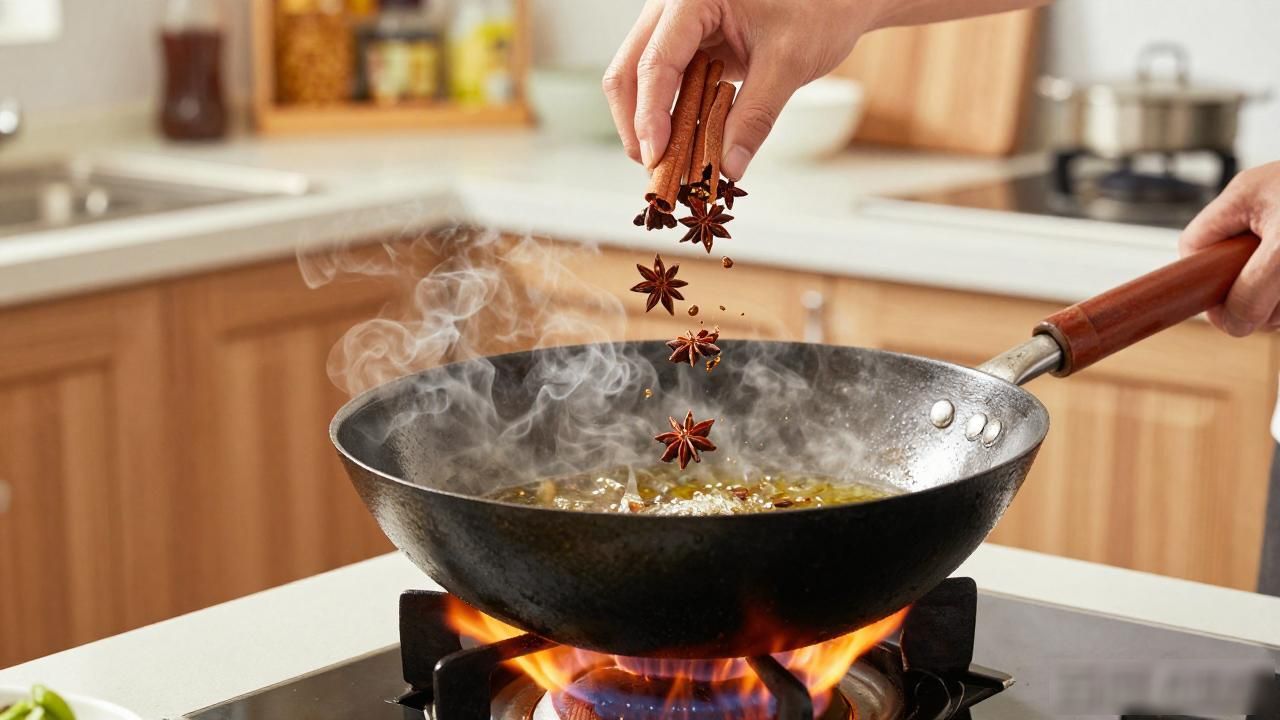
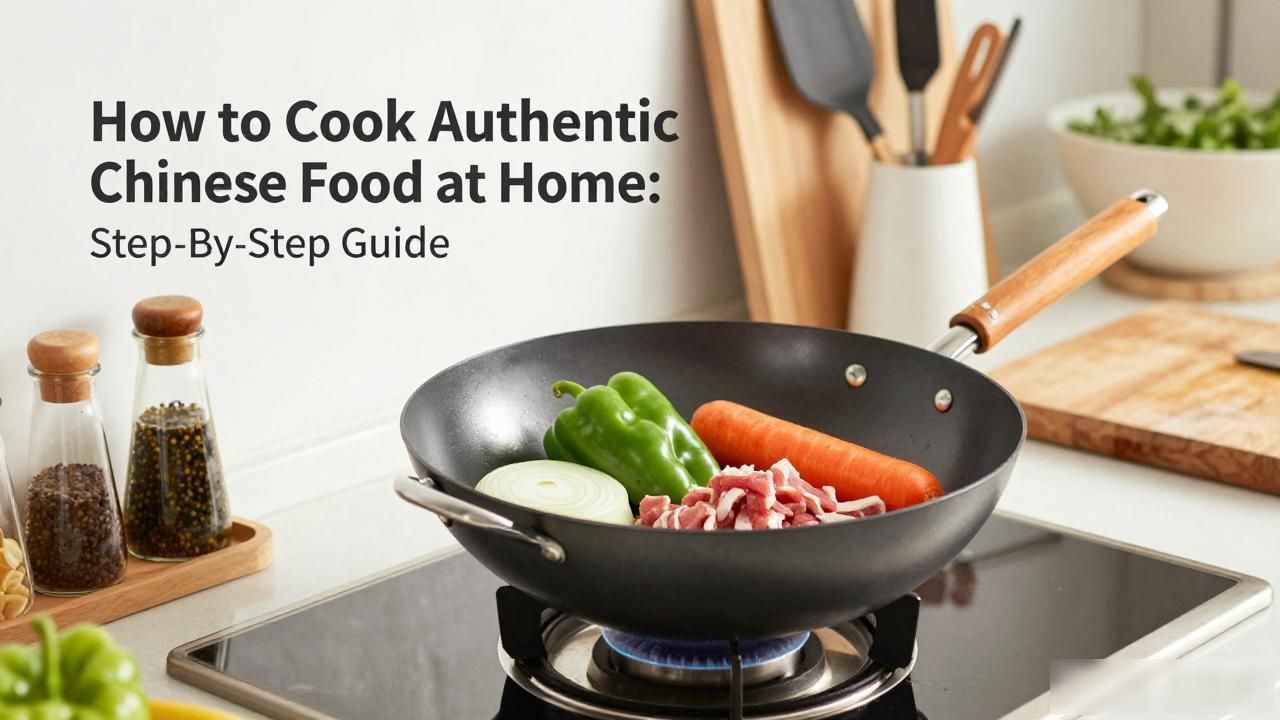
Learning to cook Chinese food doesn’t have to be intimidating. Growing up in a Chinese family in America,I spent countless hours in my mother’s kitchen watching her transform simple ingredients into extraordinary meals. What I’ve learned is that Chinese cooking is built on a few core principles — heat control, knife skills, and a handful of essential seasonings — and once you understand them, the sky’s the limit.
How Do You Master the Wok for Chinese Cooking?
The wok is everything in Chinese cooking. It’s not just a piece of equipment — it’s the heart of the entire kitchen. My mother used a carbon steel wok that was blackened from years of high heat, and she never understood why our American friends kept asking if it was still safe to use. The answer is yes, because that seasoning is what gives stir-fries their signature flavor.

The key is learning to love high heat. Many Western cooks are taught to cook slowly and gently. In Chinese cooking, the opposite is true. You want your wok screaming hot before anything touches the surface. When oil shimmers and just begins to smoke, that’s when you’re ready to add your aromatics. Everything moves fast — you toss, you turn, you watch — and the entire dish comes together in minutes.
Don’t worry about buying the most expensive wok available. A well-seasoned carbon steel wok from a local Asian market will serve you better than any non-stick pan made for the Chinese kitchen. A properly seasoned wok develops a natural non-stick surface over time, and that surface becomes your greatest tool.
What Knife Skills Do You Need for Chinese Cooking?
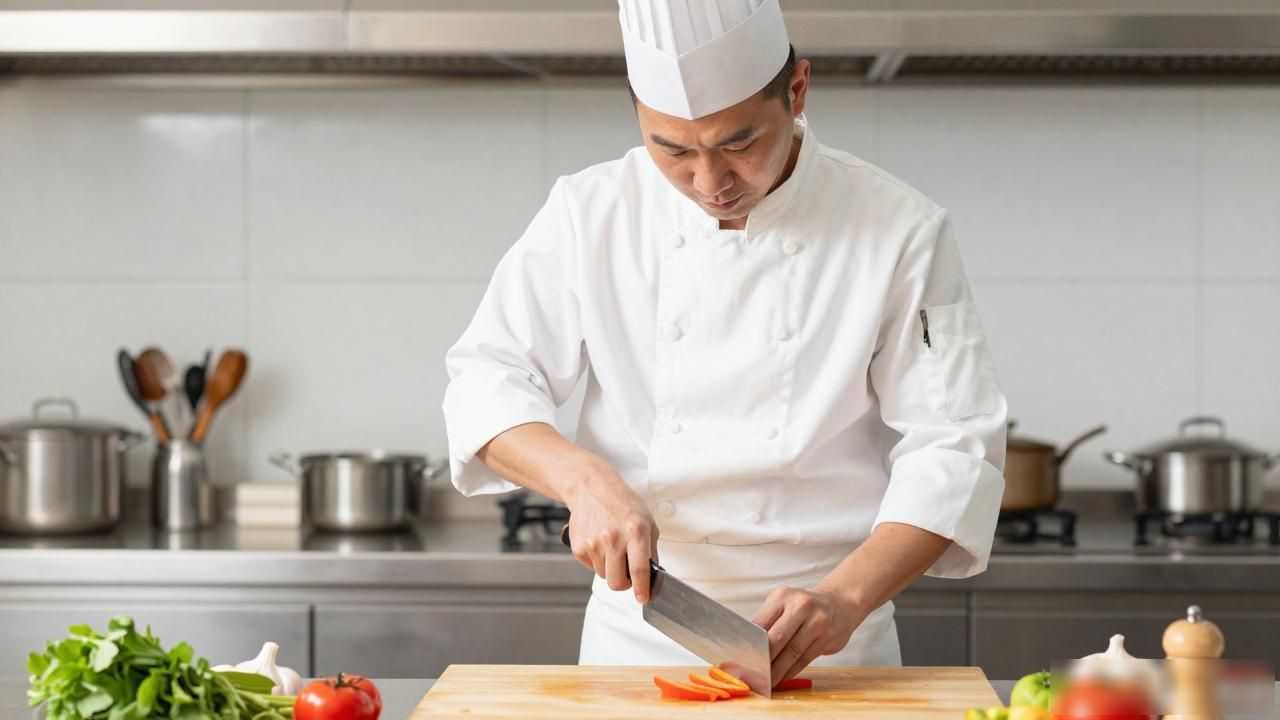
Chinese cooking demands precision in how ingredients are cut, and that precision starts with the right knife. A Chinese chef’s knife — wide, broad, and relatively lightweight — is designed for a specific purpose: the rock chop. Unlike a Western chef’s knife that requires lifting and lowering, the Chinese knife stays connected to the cutting board, using a rocking motion powered by the blade’s weight.
I learned this technique the hard way. I tried using a Western knife and kept slicing through my knuckles. It wasn’t until I switched to a proper Chinese cleaver-style knife that everything clicked into place. The wide blade also lets you scoop up chopped ingredients in one smooth motion and transfer them straight into the hot wok — no awkward scraping with a spatula required.
The secret is not speed but consistency. My mother could mince garlic in seconds, but what mattered more was that every piece was the same size so everything cooked evenly. Start slow, focus on uniform cuts, and the speed will come naturally.
Which Seasonings Build Authentic Chinese Flavors?
If I had to narrow Chinese cooking down to five essential seasonings, I’d choose light soy sauce, dark soy sauce, Shaoxing wine, sesame oil, and Sichuan peppercorns. These five ingredients form the foundation of almost every dish I grew up eating, and together they create the complex, layered flavors that define Chinese cuisine.
Light soy sauce is the workhorse — salty, savory, and used generously. Dark soy sauce is thicker and slightly sweeter, adding color and depth rather than saltiness. Shaoxing wine removes gamy flavors from meat and adds a subtle sweetness. Sesame oil is added at the very end of cooking because high heat destroys its delicate aroma. Sichuan peppercorns deliver that distinctive numbing sensation that’s impossible to replicate with anything else.
When I teach beginners, I always tell them to build flavor in layers. Start with aromatics — garlic, ginger, scallions — fried in hot oil until fragrant. Add your protein and sear it quickly. Then introduce your seasonings, tossing everything together over high heat until the sauce coats each piece evenly. The magic happens in those final seconds when heat, oil, and seasoning combine to create something greater than the sum of its parts.