

Navigating China as a foreign visitor can feel daunting, especially when logistics get complicated. That is where China travel agencies step in, acting as your bridge to a country whose language, customs, and systems often operate very differently from what you know back home. I have spent years helping travelers understand what these agencies actually deliver and why picking the right one can make or break your trip. This article breaks down the realities so you can move forward with clarity instead of confusion.
How to Find Reliable China Travel Agencies

The internet floods with options, but not all are built equally. Start by searching on trusted platforms rather than blindly clicking the first result you see. , Viator, and GetYourGuide all vet their partners, which gives you a baseline of accountability. When you land on an agency website, look for transparency in pricing, clear itineraries, and genuine customer reviews that go beyond five-star flattery. Red flags include vague descriptions, pressure to pay upfront without contract terms, and an absence of English-language support. A legitimate agency will happily walk you through what is included and what is not before you commit.
Local agencies based in cities like Beijing, Shanghai, and Chengdu often have stronger ground operations than international firms that simply subcontract locally. This matters because on-the-ground partnerships determine how smoothly everything runs when issues arise. A sudden flight cancellation, a lost reservation, or a last-minute itinerary change becomes manageable only if your agency has real relationships with hotels, transport providers, and local guides across China.
What Makes China Travel Agencies Effective
Not every agency delivers the same value. Some specialize in luxury cultural tours, others focus on budget backpacking routes, and a few cater exclusively to business travelers needing fast, efficient arrangements. The most effective agencies understand what international visitors actually need: seamless visa assistance,English-speaking guides who know how to explain Chinese history without boring you, and flexible itineraries that leave room for the unexpected.
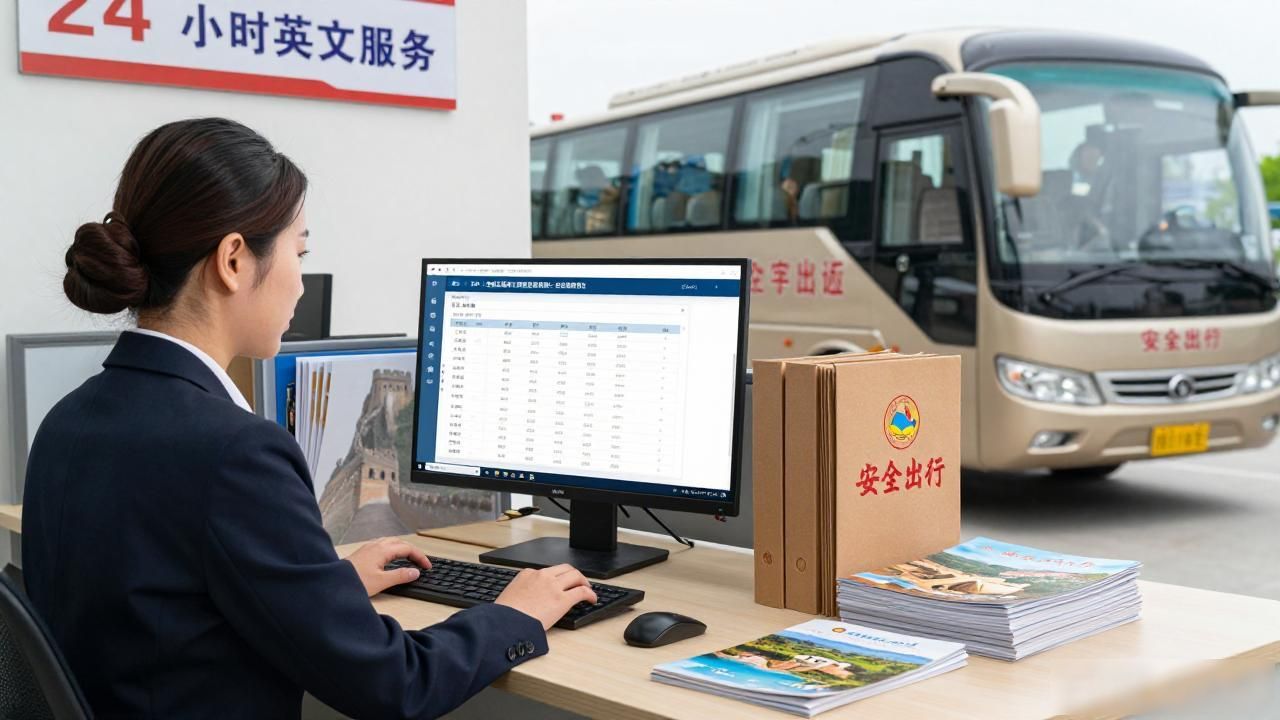
The best ones also anticipate problems before they become disasters. They pre-book tickets for popular sites like the Great Wall or the Terracotta Army during peak seasons, arrange trusted transportation that meets safety standards, and provide 24-hour support in English throughout your journey. Understanding these distinctions early saves you from waking up at 6 AM with no guide and no plan.