
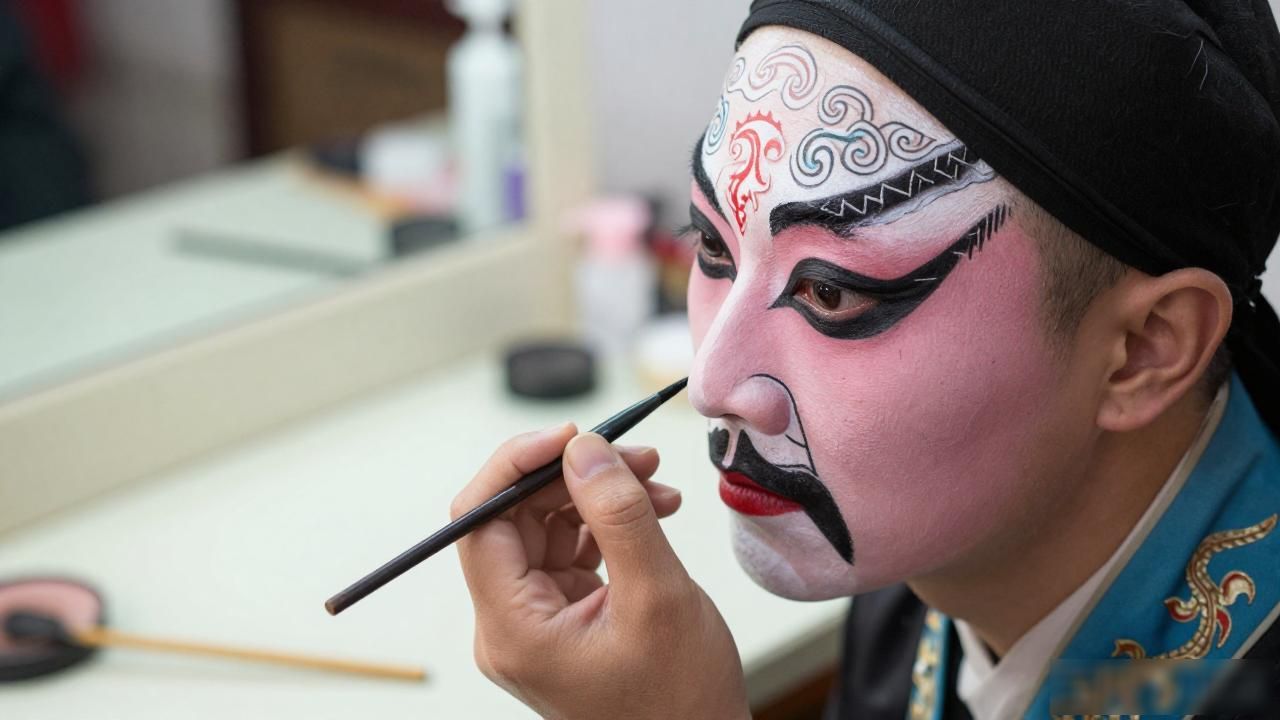
Sichuan Opera, one of China’s most distinctive performing arts, has captivated audiences for centuries. What makes it truly unforgettable is its elaborate face painting, known as “Bian Lian” or face-changing. This ancient art form combines traditional craftsmanship with dramatic performance to create some of the most visually striking theater aesthetics in the world. For foreign audiences encountering this art for the first time, understanding these techniques opens up a whole new dimension of appreciation.
How Are Sichuan Opera Makeup Designs Created
The creation of Sichuan Opera makeup begins with a deep understanding of the character being portrayed. Each role in the opera carries specific personality traits, social status, and moral alignment that must be reflected through color and pattern. Artists spend years mastering this visual language before they can properly paint a face.
The process involves applying multiple layers of base paint in white, black, or red tones. White typically represents cunning and deceit, while red symbolizes loyalty and bravery. Black conveys honesty and straightforwardness. These base colors form the canvas upon which intricate patterns are painted using fine brushes.

Once the base is set, the artist adds detailed designs that may include swirling clouds, jagged lines, or symbolic animal features. Each element carries meaning. A dragon motif might represent imperial authority, while a phoenix could signify grace and femininity. The final result is a mask-like appearance that transforms the performer into an iconic theatrical figure.
What Do the Colors in Sichuan Opera Face Painting Mean
Color selection is perhaps the most critical aspect of Sichuan Opera makeup. Foreign viewers often notice the bold use of red, blue, yellow, and black, but few understand what each shade communicates to the original Chinese audience.
Red dominates many heroic faces and tells the audience immediately that this character is virtuous and courageous. Green represents recklessness and impulsiveness, making it suitable for wild and untamed characters. Blue and black convey resilience and stern determination, often assigned to warrior roles or loyal officials.
Yellow and gold appear on faces of villains or cruel rulers. These bright,almost garish colors signal danger and tyranny. Purple is reserved for elderly characters of wisdom and dignity. Silver and gray paint suggests supernatural beings or ghosts from folklore.
The combination of colors follows strict conventions passed down through generations. Deviating from these traditions would confuse audiences and break the established visual storytelling system that has operated for over three hundred years.
How Traditional Sichuan Opera Masks Are Made
While the face-changing performances are famous worldwide, the actual creation of makeup masks involves patience and skill that many people never consider. The process starts with preparing a clay model of the actor’s face. This mold serves as the foundation for carving the three-dimensional design.
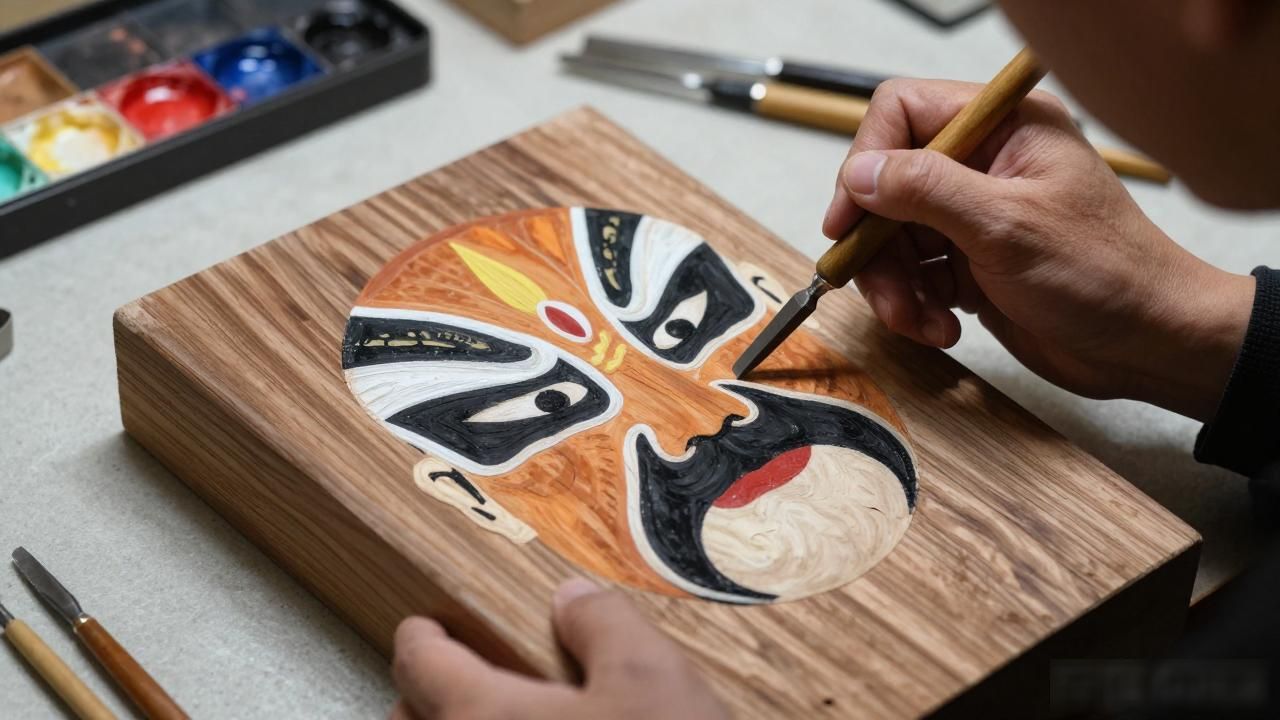
Artists carve the design into wood or plaster blocks using specialized chisels and knives. The carved surface is then treated with multiple coats of lacquer and paper to build up the proper texture and durability. Once hardened, the mask receives hand-painted decoration using traditional mineral and vegetable-based pigments.
Modern practitioners sometimes use lightweight synthetic materials to reduce weight during performances. However, traditionalists insist that genuine lacquer finishes provide the authentic gloss and depth that audiences expect. Each mask costs hundreds of dollars to produce and can last for many years with proper care and storage.
Sichuan Opera makeup remains a living tradition that continues to evolve while preserving centuries of artistic heritage. Foreign visitors to China can experience this spectacle firsthand at dedicated opera houses in Chengdu, where experienced performers bring these painted characters to life on stage.