
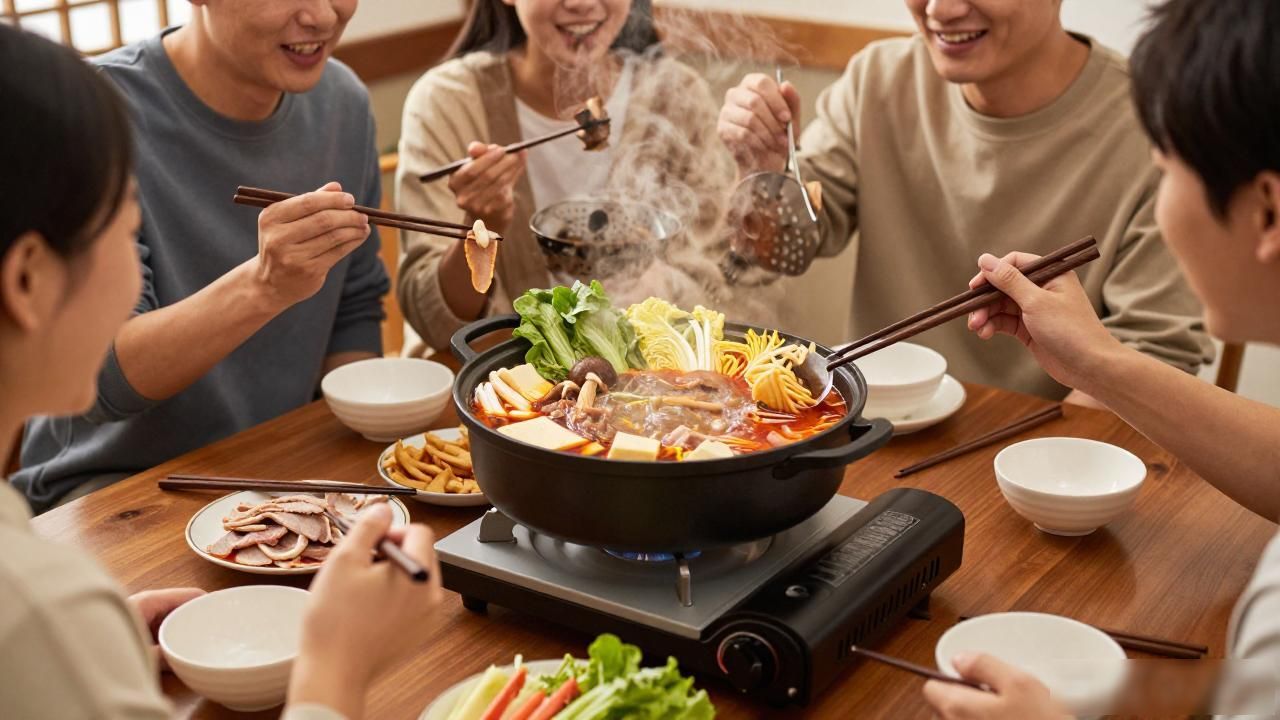
Hot pot is more than just a meal; it is a social experience that brings people together around a steaming pot of broth. For foreigners visiting China or exploring authentic Asian restaurants, understanding how to navigate a hot pot dinner can transform an intimidating experience into something enjoyable and memorable. This guide will walk you through the essentials of hot pot dining, from choosing the right ingredients to mastering the cooking techniques.
What Is Hot Pot Dining All About
Hot pot originated in China over a thousand years ago and has since spread across Asia with regional variations. At its core, hot pot involves cooking raw ingredients in a simmering pot of soup stock at the dining table. The steam rising from the pot creates warmth and intimacy, making it perfect for gatherings with friends and family.

The pot itself sits on a portable stove in the center of the table. Diners pick up their own chopsticks or ladles to cook thin slices of meat, vegetables, tofu, mushrooms, and noodles directly in the boiling broth. Each person cooks at their own pace, creating a relaxed and interactive dining atmosphere.
Broth options vary widely depending on the region and restaurant. Some popular choices include clear chicken or mushroom stock, spicy Sichuan broth with chili peppers and peppercorns, and tomato-based broths for those who prefer milder flavors. Many restaurants offer split pots where you can enjoy two different broths simultaneously.
How to Choose Your Hot Pot Ingredients
Selecting ingredients is where the fun begins. The typical hot pot menu features a wide array of fresh items displayed on trays and platters. Common meat selections include thinly sliced beef, lamb, pork, and various seafood like shrimp and fish balls. For vegetarians, tofu, leafy greens, mushrooms, and root vegetables are excellent choices.
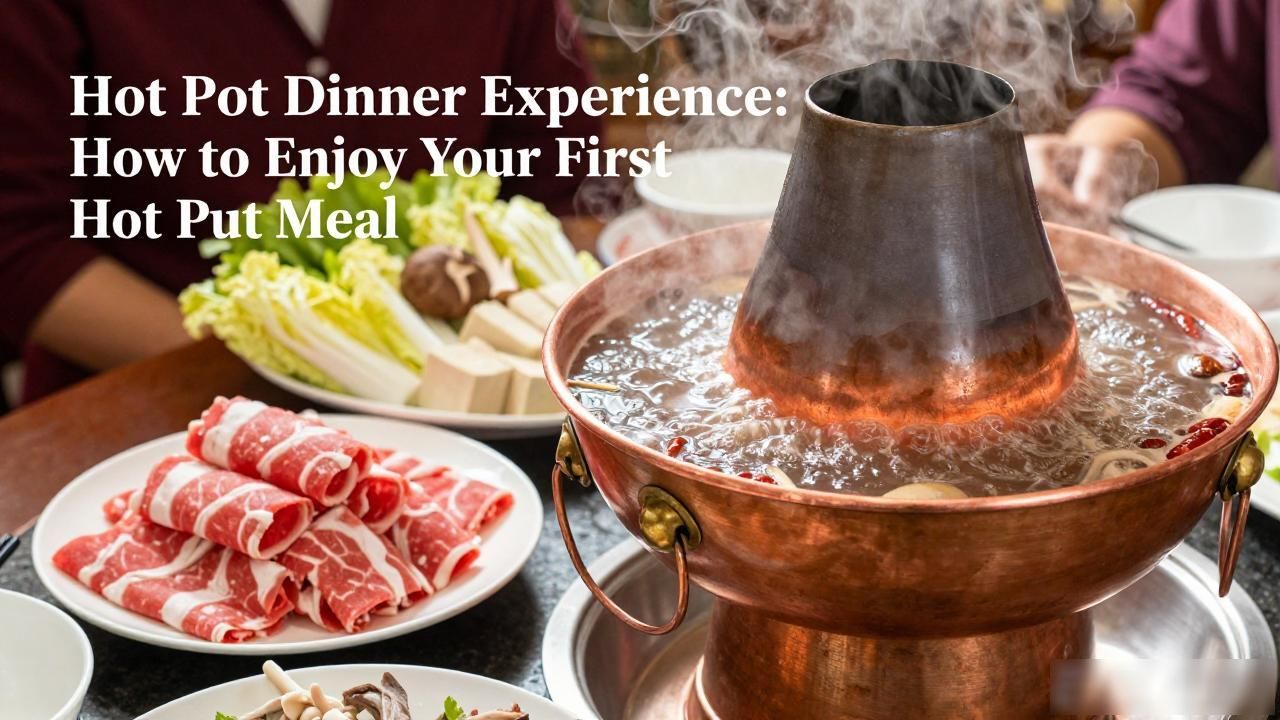
The thickness and quality of meat slices matter significantly. Thinner slices cook faster and absorb more flavor from the broth, while thicker cuts may require longer cooking times. When ordering, start with a moderate amount of meat and gradually add more as the meal progresses. Overordering leads to waste and leaves less room for other ingredients.
Don’t overlook dipping sauces, which elevate the entire experience. Most hot pot restaurants provide a sauce bar with various condiments. Sesame paste, soy sauce, minced garlic, chopped scallions, and chili oil are common bases. Mix your sauce according to personal preference, experimenting until you find a combination that complements both the broth and your chosen ingredients.
Tips for Cooking and Enjoying Hot Pot
Cooking times differ depending on the ingredient. Thinly sliced beef typically requires only a few seconds of swirling in the broth, while denser items like potatoes or lotus root need several minutes. Observe how other diners handle their food, or ask the staff for guidance if unsure. Proper cooking ensures optimal texture and food safety.
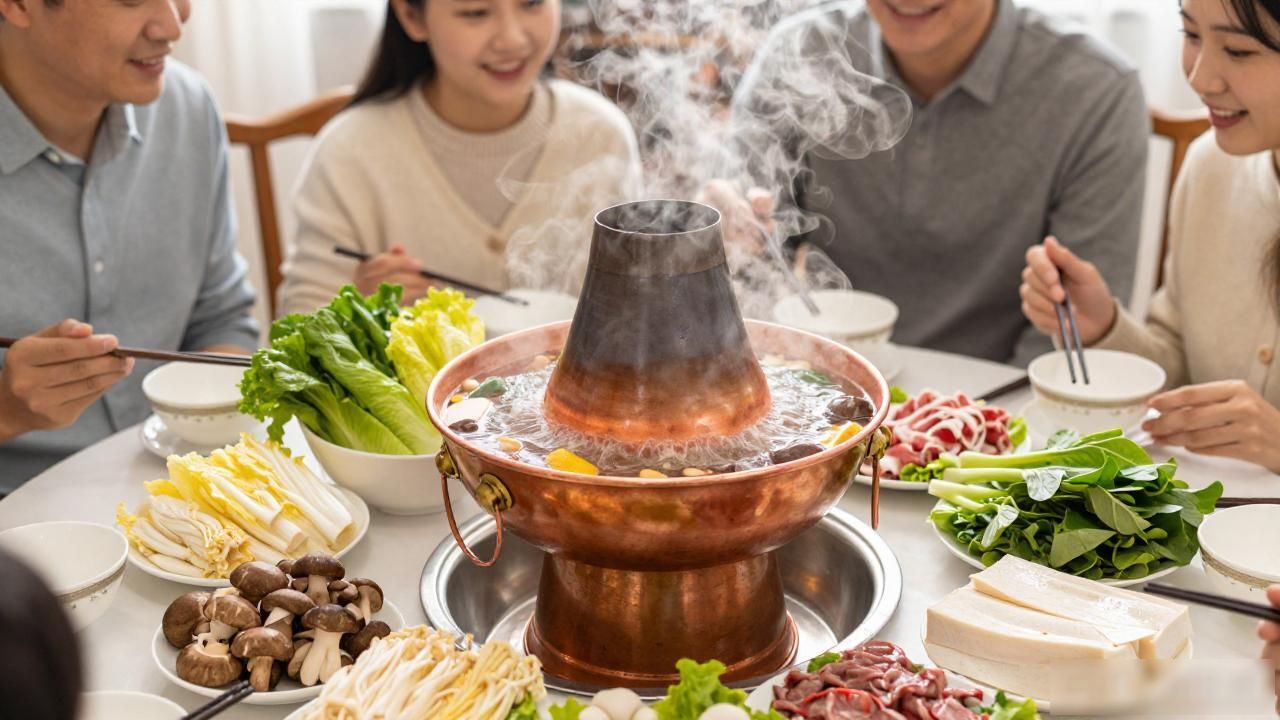
Pacing is crucial for a satisfying hot pot experience. Start with lighter ingredients like leafy greens and mushrooms before moving to heavier meats and starchy items. This progression allows the broth to develop deeper flavor as the meal unfolds. Drinking the broth toward the end, when it has absorbed all the ingredient essences, is considered a delicacy in many regions.
Maintaining good table manners enhances the experience for everyone. Use separate chopsticks for raw and cooked food to prevent cross-contamination. Avoid overstuffing your bowl with too many ingredients at once, as this lowers the broth temperature and slows cooking. Engage in conversation, share dishes, and enjoy the communal spirit that makes hot pot special.
Hot pot dining is ultimately about connection and enjoyment rather than strict rules. Take your time, try new combinations, and embrace the lively atmosphere. With these insights, your first hot pot dinner experience will be both delicious and memorable.