
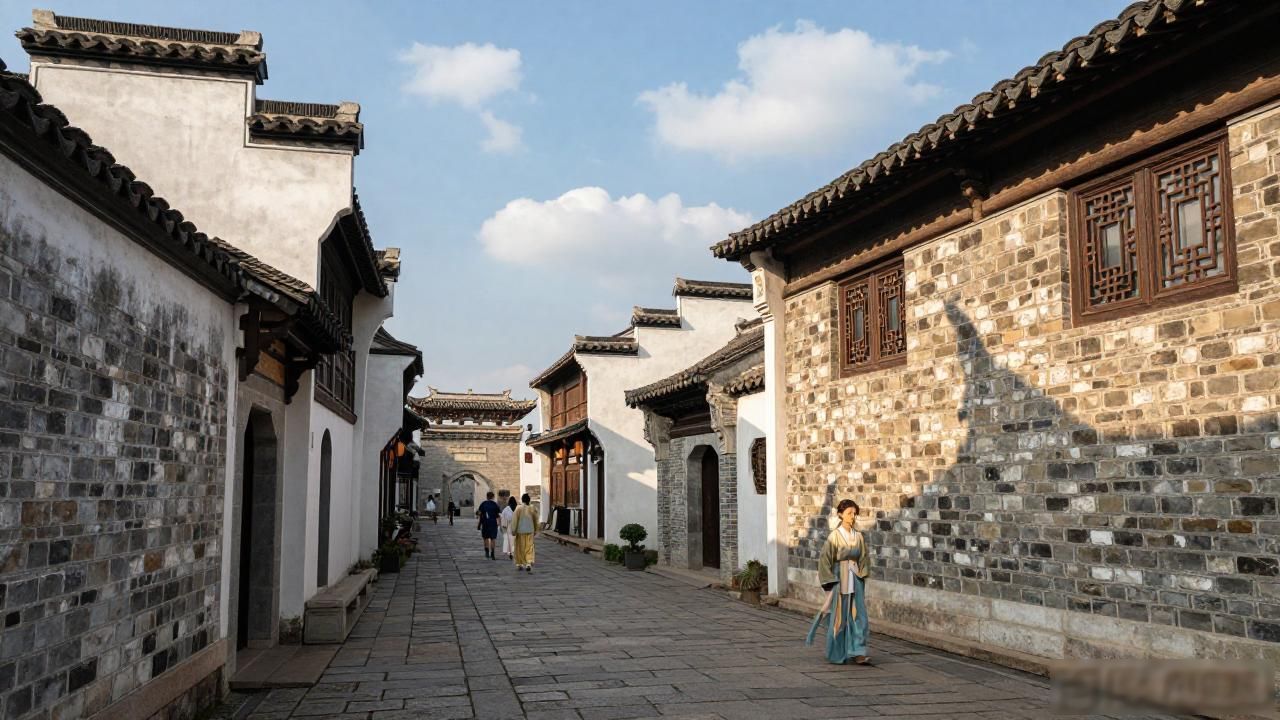
Nanjing is not just a city of modern skyscrapers and busy streets. It holds centuries of history within its ancient walls and rooftops. When I first began exploring Nanjing’s old quarters, I realized that the real beauty of its ancient architecture is not in the glossy photos you see online. It’s in the quiet courtyards, the weathered beams, and the stone pathways that have witnessed dynasties rise and fall. For any traveler wanting to truly understand China’s imperial past, Nanjing offers a living museum of brick and timber.
Why Nanjing ancient architecture feels different from Beijing or Xi’an

Many people assume that all Chinese ancient architecture looks the same, but Nanjing tells a different story. Unlike the grand symmetry of Beijing’s Forbidden City, Nanjing’s buildings carry a more intimate and layered character. The city was once the capital of six ancient dynasties, and that shows in the mix of architectural styles. Walk through the Ming Xiaoling Mausoleum, and you feel the weight of the Ming Dynasty’s early ambition. The stone statues along the Sacred Way are worn smooth by rain and time. Each crack tells a story.
But what really sets Nanjing apart is how the buildings blend with nature. The Linggu Temple complex is a perfect example. The ancient pagoda stands tall among thousand-year-old trees, and the air smells of moss and incense. It’s not a place you rush through. You stop, you listen, you look up at the eaves curving like wings. This kind of architecture was designed to harmonize with the landscape, not dominate it.
How to experience ancient architecture without the tourist crowds
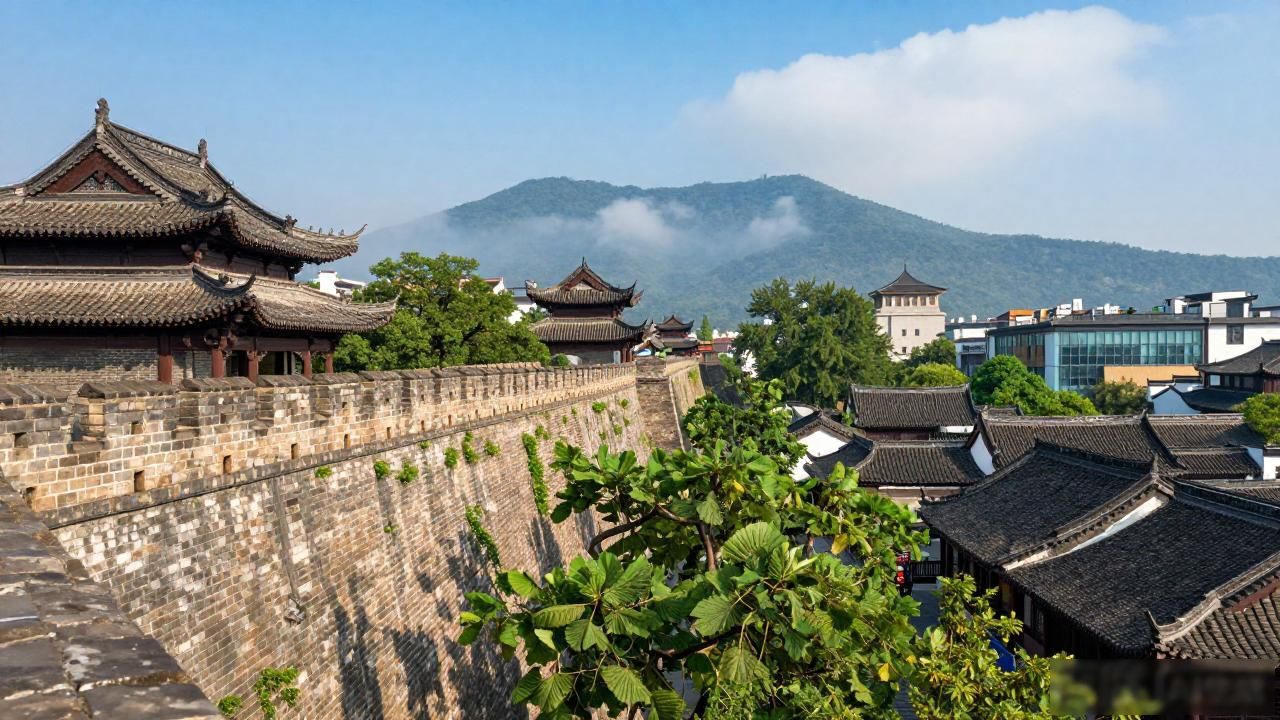
If you only follow the guidebooks, you’ll end up at the Confucius Temple area, which is beautiful but often packed with selfie sticks and souvenir shops. That’s not the real Nanjing ancient architecture experience. Go instead to the Chaotian Palace, a quiet site that once served as the imperial observatory. The buildings here are less restored, and that’s exactly what makes them authentic. You can see original wood carvings and faded paint that hasn’t been touched up for tourists.
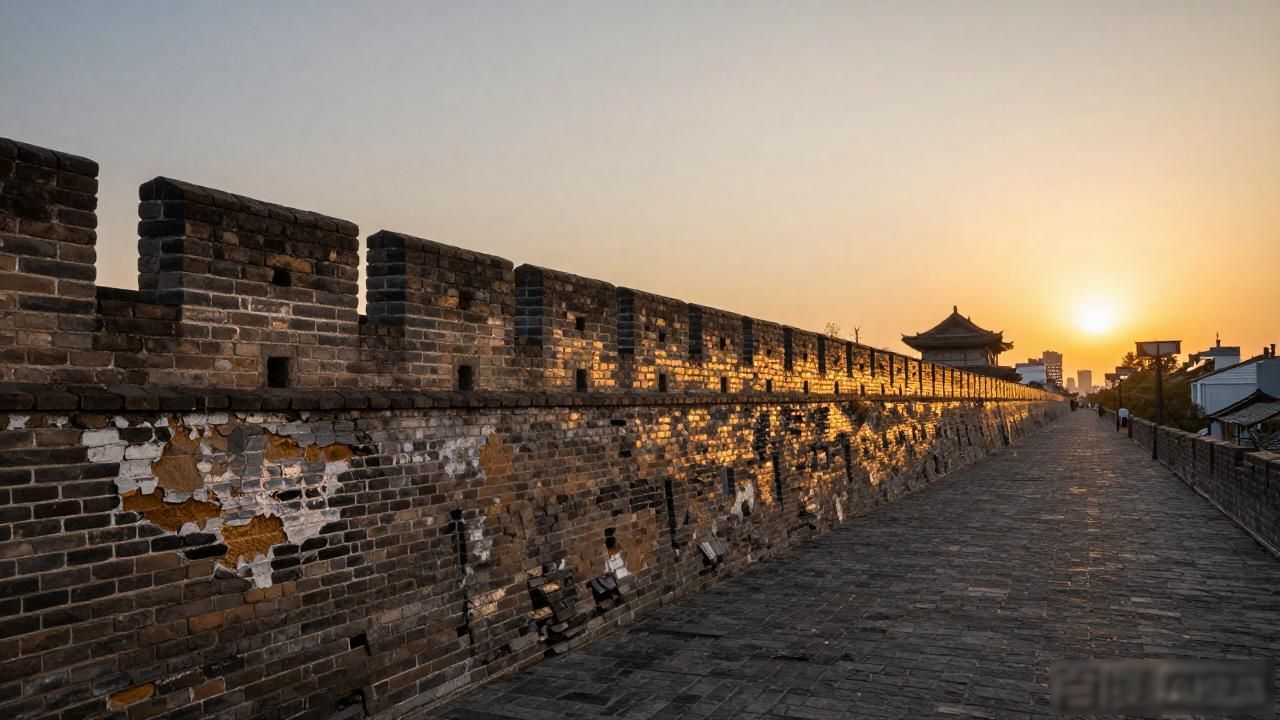
Another spot is the old city wall. Yes, it’s famous, but most visitors only walk a short section near Zhonghua Gate. If you go to the less visited parts,like the stretch near Taiping Gate at sunset, you’ll see the wall in its raw state. The bricks are uneven, some are missing, and you can almost hear the echoes of soldiers patrolling centuries ago. For a foreign traveler, this is where Nanjing ancient architecture stops being a sight and starts being a feeling.
Nanjing’s ancient buildings are not just relics. They are still alive in the daily lives of locals. A grandmother sweeping her doorstep in a hutong, the faint sound of tradition