
Chinese cuisine is often misunderstood as heavy, oily, and loaded with calories. That stereotype exists for a reason — takeout boxes arrive swimming in sauce, and deep-fried dishes dominate many menus. But step behind the kitchen curtain and you will discover a rich culinary tradition built on balance, freshness, and mindful cooking. Vegetables take center stage. Steaming, stir-frying, and braising preserve nutrients rather than destroying them. The key lies in knowing what to look for and how to order smartly.
What are the healthiest Chinese food choices?

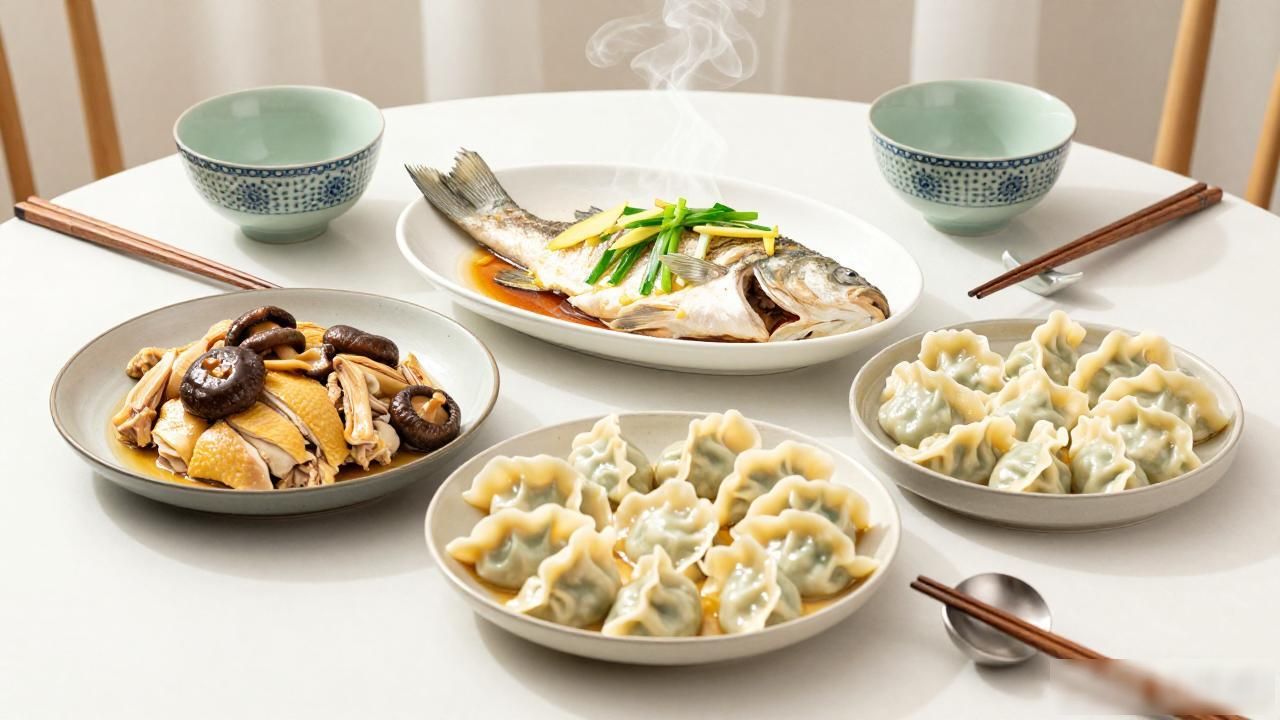
Steamed dishes should be your first stop. Steamed whole fish with ginger and scallions is a Cantonese classic that delivers lean protein and omega-3 fatty acids without a trace of excess oil. Same goes for steamed chicken with mushrooms — simple, light, and deeply satisfying. Dumplings can work too if you choose the steamed variety over the fried kind. Fillings tend to be lighter when prepared this way, and you avoid the calorie bomb that comes from deep frying.
Stir-fried vegetables represent another pillar of healthy Chinese eating. Dishes like gai lan with oyster sauce, bitter melon with garlic, or snow peas with cashews showcase the Chinese philosophy of honoring each ingredient. The wok method actually preserves crunch and color, which means you are getting maximum nutrition in every bite. Just ask for lighter sauce or request the dish to be prepared with less oil — most kitchens will accommodate this without hesitation.
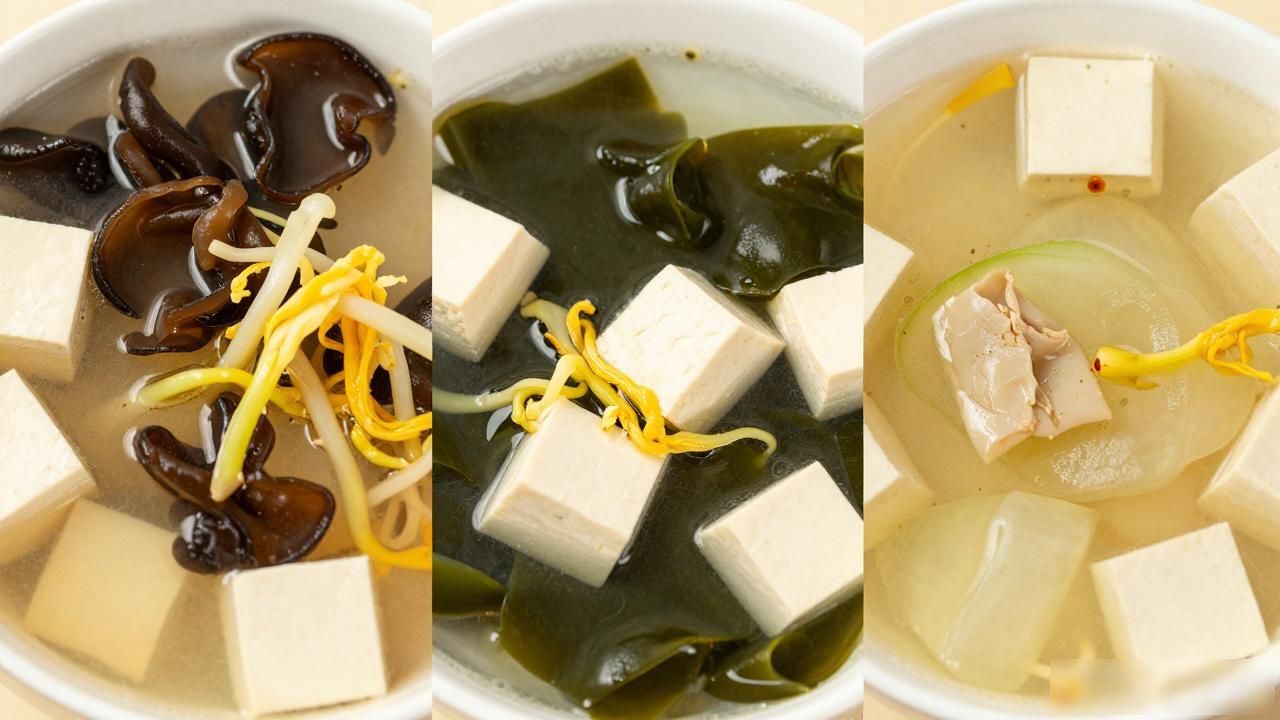
Broth-based soups deserve special mention here. Hot and sour soup, tofu and seaweed soup, and winter melon soup are deeply comforting while remaining remarkably light. These broths often feature ingredients like wood ear mushrooms, lily flowers, and silken tofu that add texture and umami without burdening you with heavy fats or excessive sodium.
How do you order healthy Chinese food at a restaurant?
Reading a menu requires some strategy. Look for keywords like steamed, braised, or clear broth. Anything described as crispy, crunchy, or salt and pepper usually means deep-fried — proceed with caution. General Tso chicken, kung pao shrimp, and orange beef sound appealing but are typically coated in sugar-laden glazes and fried to a crisp. You can absolutely enjoy these dishes occasionally, but they should not form the backbone of a health-conscious meal.
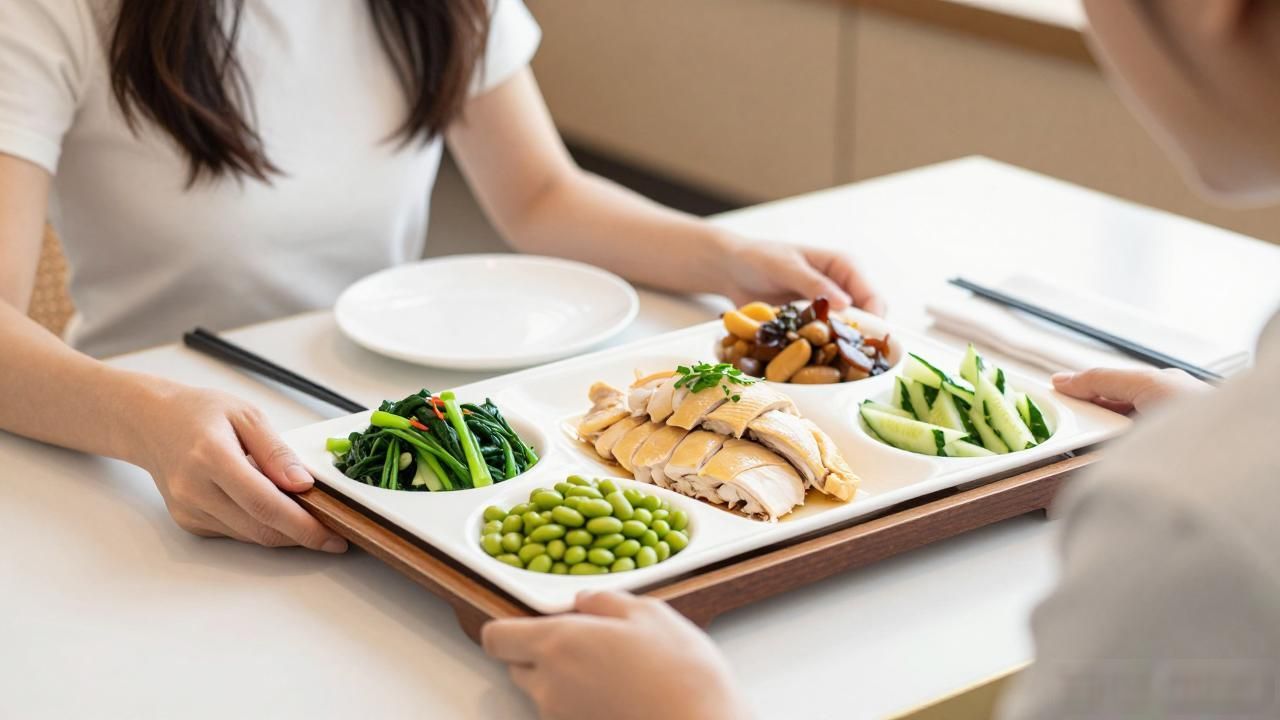
One tactic that works surprisingly well is ordering a la carte. Instead of committing to one heavily sauced entrée,build your plate around a steamed protein, a vegetable stir-fry, and perhaps an appetizer like Edamame or a simple cucumber salad. This approach gives you control over your portions and ensures that each component on your plate serves a nutritional purpose. Brown rice or congee make excellent carbohydrate choices when available.
Do not forget about the sauces sitting on your table. Soy sauce, hoisin, and chili oil can easily add hundreds of milligrams of sodium to an already reasonable meal. Use them sparingly or ask your server to hold them. A splash of black vinegar or a drizzle of sesame oil going directly on your food will add tremendous flavor without the hidden calories and salt that come from pre-mixed sauces.