
When most people think of Harbin in winter, they picture the dazzling ice sculptures and the frozen Songhua River. But beneath that famous winter spectacle lies a quieter, more wild side — one that rewards those willing to look beyond the tourist trails. Harbin sits in Heilongjiang Province, China’s northernmost region, where temperatures regularly plunge below minus twenty degrees Celsius. Yet even in this brutal cold, wildlife persists, and with a bit of knowledge and patience, visitors can spot some truly remarkable animals during the winter months.
Wildlife Spots Near Harbin in Winter
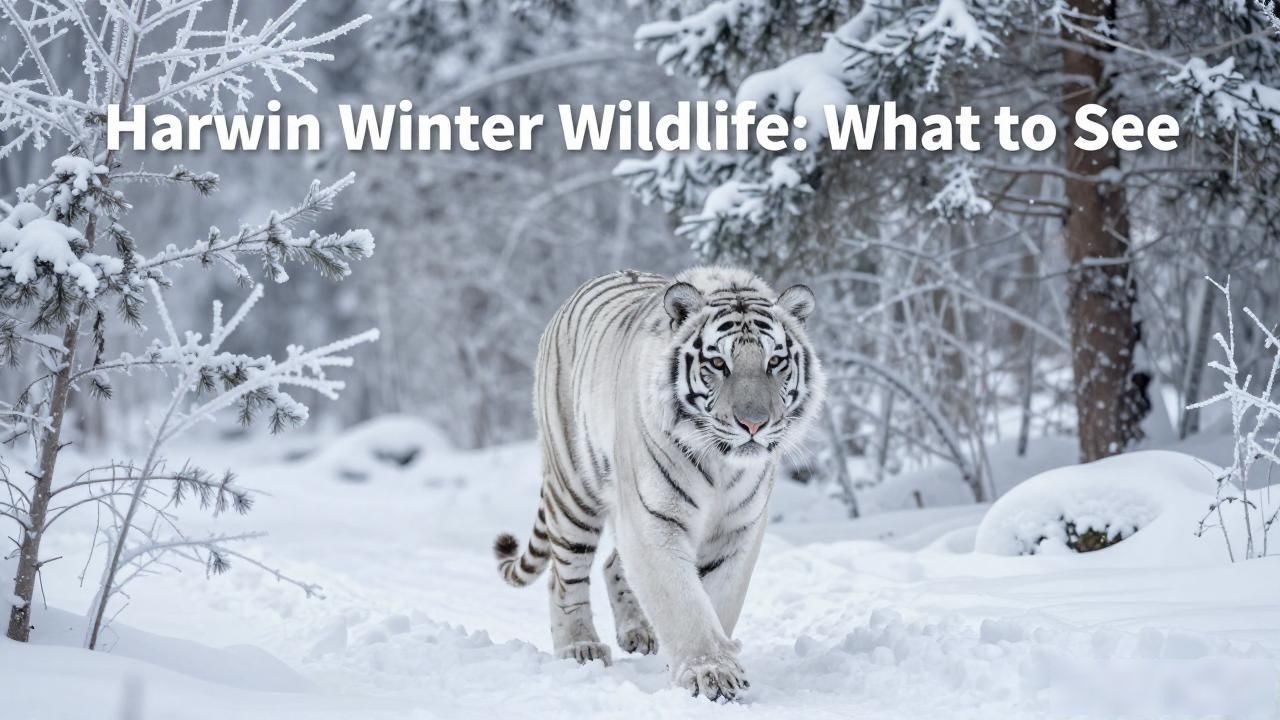
The forests surrounding Harbin are home to some of Asia’s most elusive and endangered species. The Amur tiger, also known as the Siberian tiger, patrols the mixed forests just east of the city. These magnificent cats are critically endangered, with only a few hundred remaining in the wild, but conservation efforts in the nearby Zhangguangcai Mountains have created a corridor where sightings, though rare, do occur. Bird watchers and researchers sometimes report tracks or distant glimpses, making this one of the few places in the world where you might encounter a tiger in its natural winter habitat.

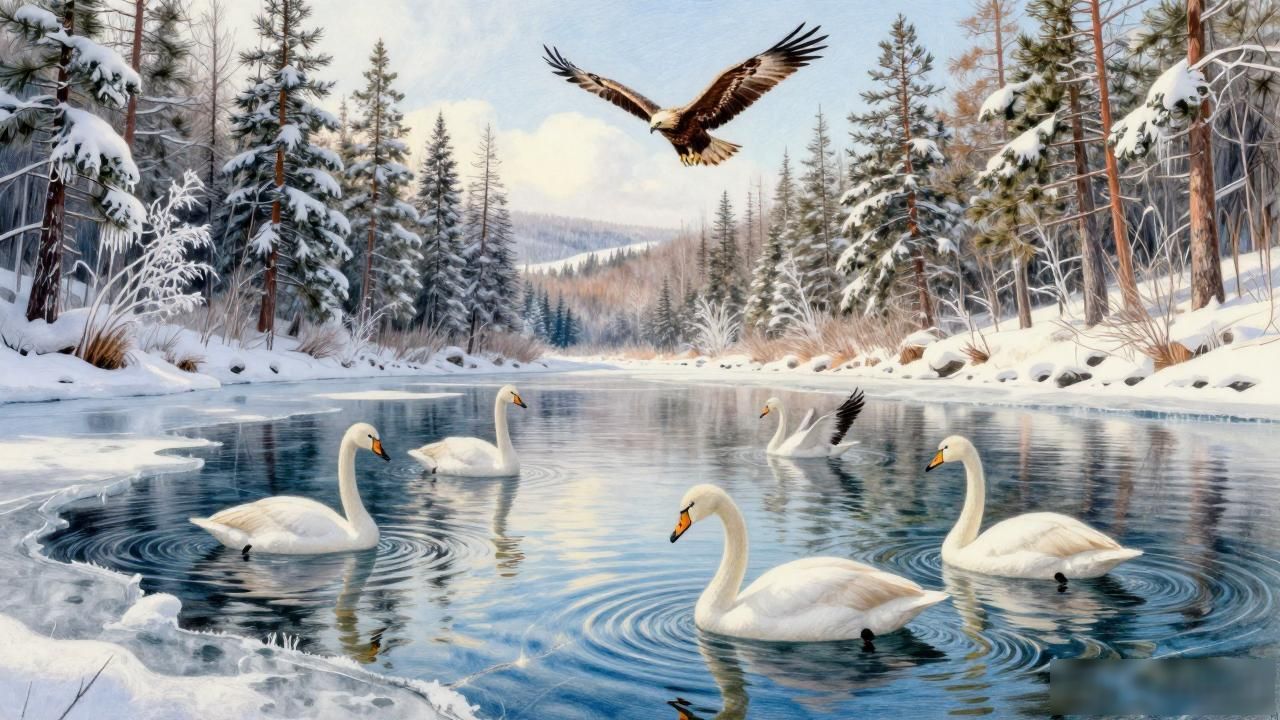
Birdlife is far easier to observe. The Yabuli area, roughly two hours from central Harbin, becomes a winter haven for waterfowl. Barn swans gather along the partially frozen reservoirs, their white plumage standing out against the snow-covered pines. Golden eagles circle the open valleys, and the occasional grey heron can be spotted wading through ice-free channels. In the city itself, rooks and magpies are common throughout winter,while the odd snowshoe hare darting across a frozen field offers a fleeting but memorable encounter.
Small mammals also adapt well to the cold. The Siberian weasel, with its striking white winter coat, is occasionally seen near rural villages. Red squirrels remain active year-round, and foxes — both red and the rarer arctic variant — have been documented in the suburban woodlands. These animals are shy and fast, so observers need quiet movement and a steady eye to catch even a glimpse.
Best Places to Watch Winter Animals
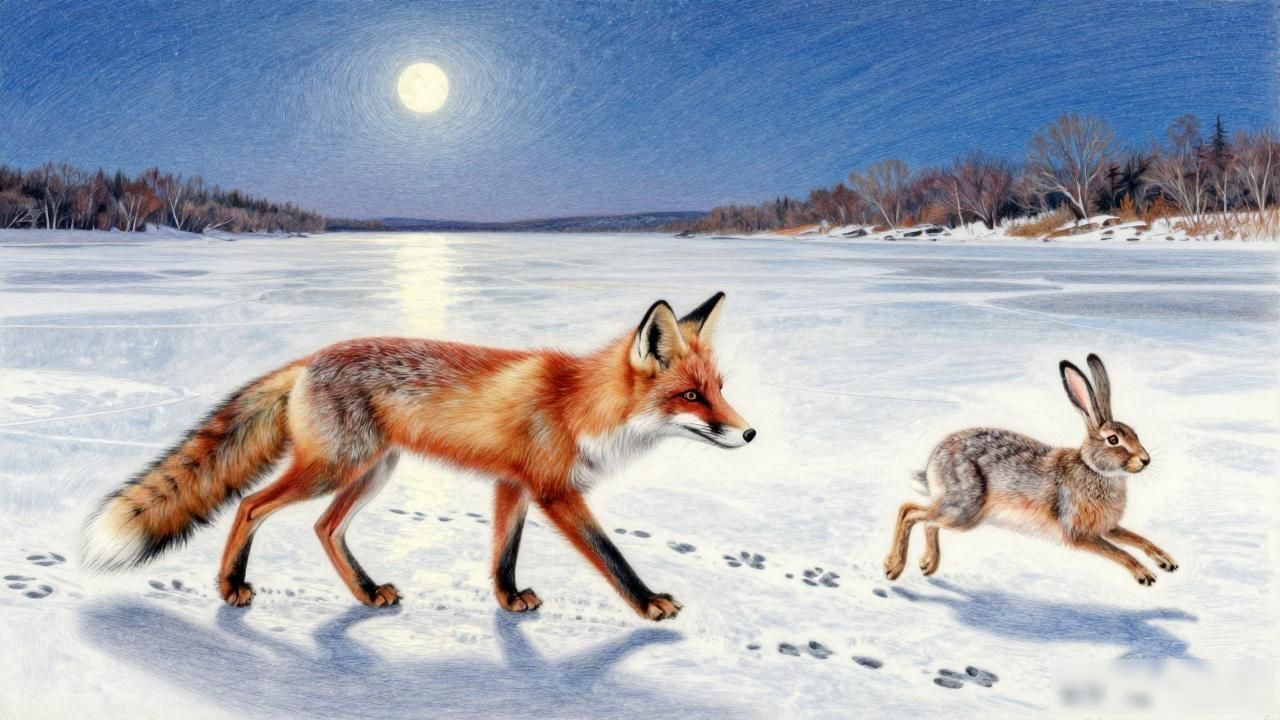
The Songhua River itself transforms into an unexpected wildlife corridor during winter. When the river freezes solid, it becomes a highway for animals that normally stick to forest edges. Foxes and hares cross the ice regularly, and on clear nights, the tracks left behind are among the most reliable signs of winter wildlife in the city. The riverbanks near the Sun Island Scenic Area offer some of the best vantage points, especially in the early morning when the ice is still fresh and undisturbed.
For a deeper wilderness experience, the Hunchun National Nature Reserve, about four hours northeast of Harbin, is worth the journey. This reserve protects one of the last intact temperate forest ecosystems in northeastern China and serves as a critical habitat for Amur tigers and leopards. While the chance of a direct sighting remains slim, guided winter expeditions sometimes lead to track identification and, on rare occasions, distant visual contact with a tiger moving through the snow.
Even within Harbin’s urban boundaries, wildlife persists. The Harbin Polarland draws large crowds, but the real wild animals are outside its walls. Local bird feeding stations near the Central Street area attract flocks of siskins and bullfinches in December and January, creating a small but reliable urban wildlife spectacle that requires no special equipment to enjoy.
Tips for Wildlife Watching in Harbin Winter
Wildlife viewing in Harbin during winter demands preparation. Temperatures can drop to minus thirty Celsius or lower, and wind chill makes it feel even colder. Dress in layered thermal clothing, waterproof boots, and always carry hand warmers. Exposure to extreme cold can impair judgment and slow reaction time, both of which are essential when trying to spot and observe animals quietly.
Timing matters enormously. Winter days are short in northern China, with sunrise around seven in the morning and sunset before four in the afternoon. The best window for wildlife activity is the first hour after sunrise and the last hour before sunset, when animals are most active searching for food. Midday brings stillness — both the cold and the light discourage movement from most species.
Ethics should guide every encounter. Do not approach animals closely, especially tigers or wolves, and never attempt to feed wild creatures. Leaving food for wildlife disrupts natural foraging behavior and can make animals dependent on humans. Use binoculars and telephoto lenses to observe from a distance, and keep noise to a minimum. The animals of Harbin winter are survivors in an extreme environment — respecting their space is the surest way to ensure they remain there for future visitors to enjoy.