
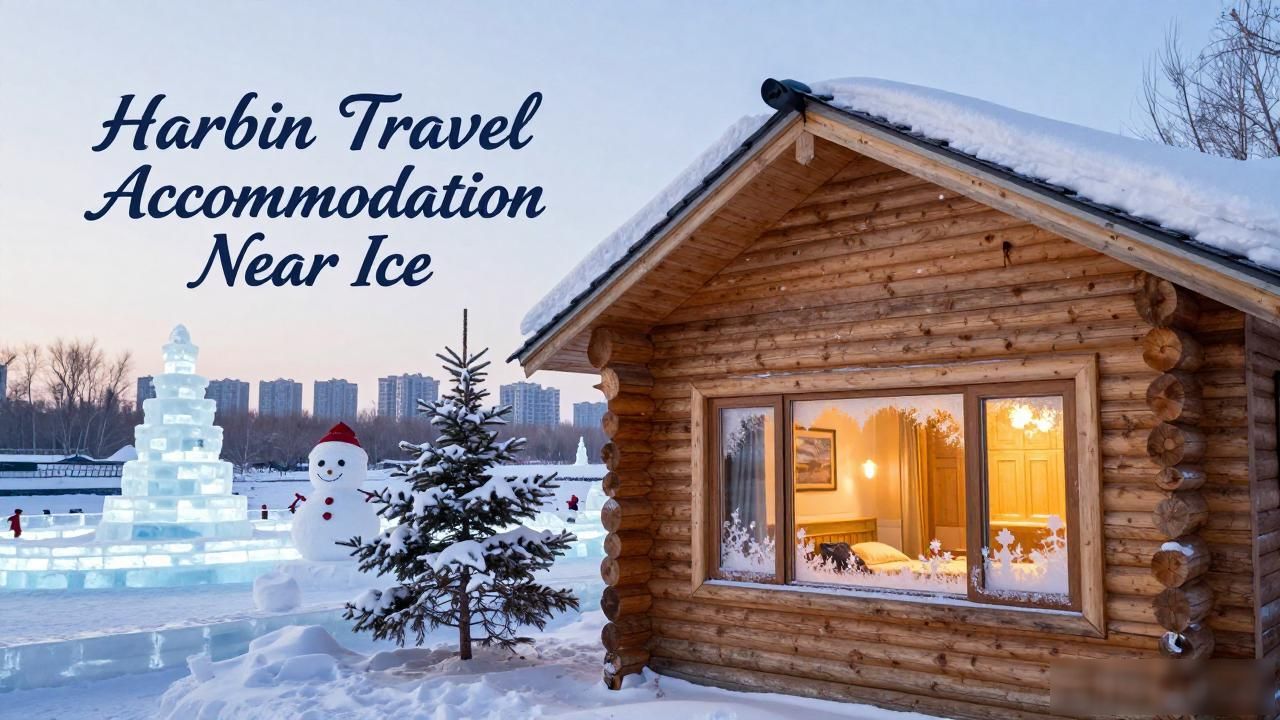
Harbin travel accommodation ranges from budget hostels in Daowai to upscale hotels in the Central District, each catering to different budgets and travel styles. The city’s winter season, particularly around the Ice and Snow Festival, drives demand and prices sharply upward, so timing your stay matters as much as where you stay.
Where to find Harbin travel accommodation
The Central District clusters most of the city’s walkable charm. Old Russian-style buildings, Central Street’s pedestrian zone, and the Songhua River promenade all sit within a fifteen-minute radius of mid-range hotels. These areas put you close to trams,metro lines, and the ice sculpture sites without needing a car at all.
Budget-conscious travelers will find hostels and guesthouses concentrated around the Harbin Ice and Snow World and the North Lake area. Prices here start at 80 RMB a night in off-season but jump past 300 RMB during January and February. Booking two to three weeks ahead is essential if you want a decent double room instead of a dorm bunk.

Which Harbin travel accommodation suits winter
Thermal performance matters more in Harbin than anywhere else in China. Temperatures can dip below minus 25 °C, so look for properties with double-glazed windows and floor heating. Many newer hotels along the Jiefang Road corridor advertise this specifically; older buildings in the Daoli neighborhood often lack adequate insulation and radiate cold through the walls at night.
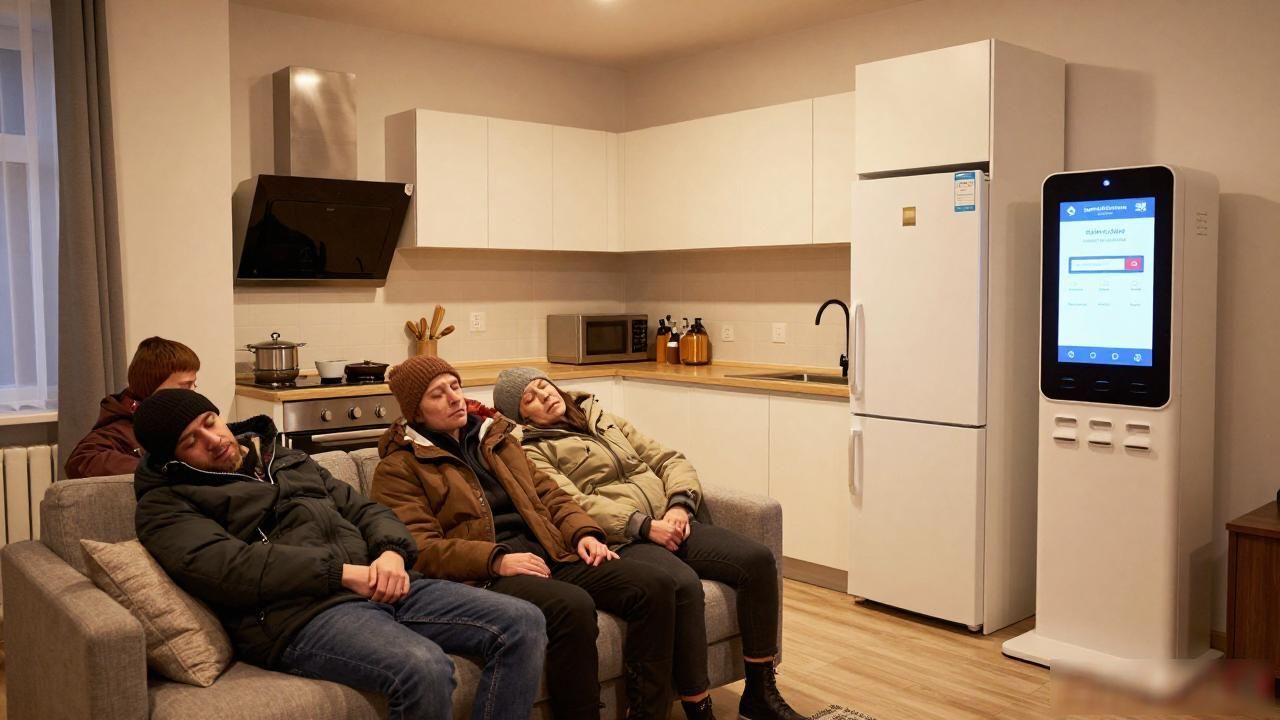
For families or groups, apartment-style rentals on platforms like Airbnb or local equivalents offer kitchens and space to warm meals indoors. The trade-off is that many require self-check-in, which gets tricky at two in the morning when you have just landed from a long flight and your fingers are too numb to type a code.
A well-located, properly insulated room turns Harbin’s brutal winter into something manageable. Pair that with a short walk to a hot-spring pool or a steaming noodle shop and the cold stops being the main event of your trip.