
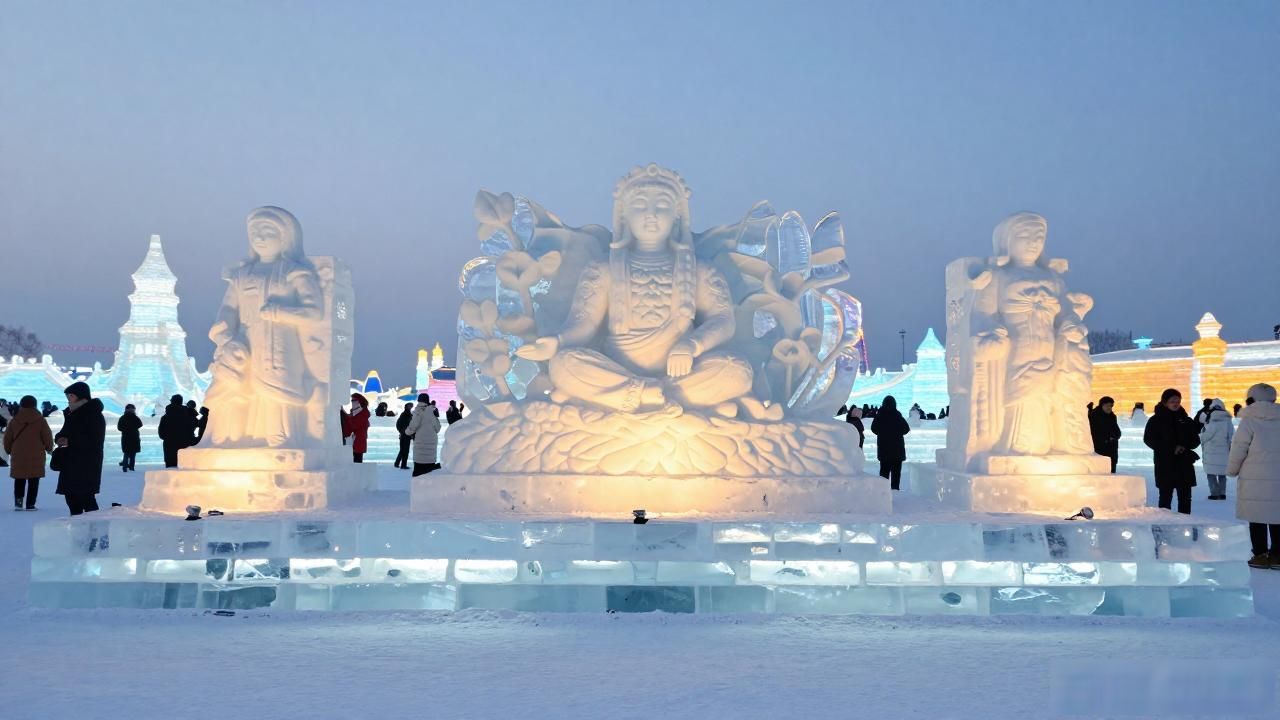
Harbin Ice Festival: What Travelers Really Need to Know
Standing in the heart of Harbin’s Ice and Snow World at midnight, I felt like I’d stepped onto another planet. The air was so cold it stung your lungs, yet the neon-lit ice towers rising around me made every shiver worth it. This is the magic of Harbin, and why more and more international travelers are adding this northeastern Chinese city to their bucket lists.
When Should I Visit Harbin Ice Festival

The Harbin International Ice and Snow Sculpture Festival typically runs from early February through late March, though the ice structures remain on display well into spring thanks to mechanical cooling systems. The festival officially kicks off on January 5th each year, but the peak visiting period falls between mid-February and early March when the weather is coldest and the ice is at its most brilliant.
Harbin’s temperature during winter regularly drops below minus twenty degrees Celsius, which at first sounds terrifying to visitors accustomed to milder climates. But here’s the thing — locals have mastered the art of winter survival, and the city is remarkably equipped to handle the cold. You just need the right gear: thermal layers, a windproof outer shell, insulated boots, and gloves that actually keep your fingers warm.
The festival attracts over one million visitors annually, including a growing number of international tourists. Book your accommodation well in advance, especially if you’re targeting the Chinese New Year period, which can fall anywhere between late January and mid-February. Hotels fill up quickly, and prices can triple during peak weeks.
Why Harbin Stands Out Among Winter Festivals
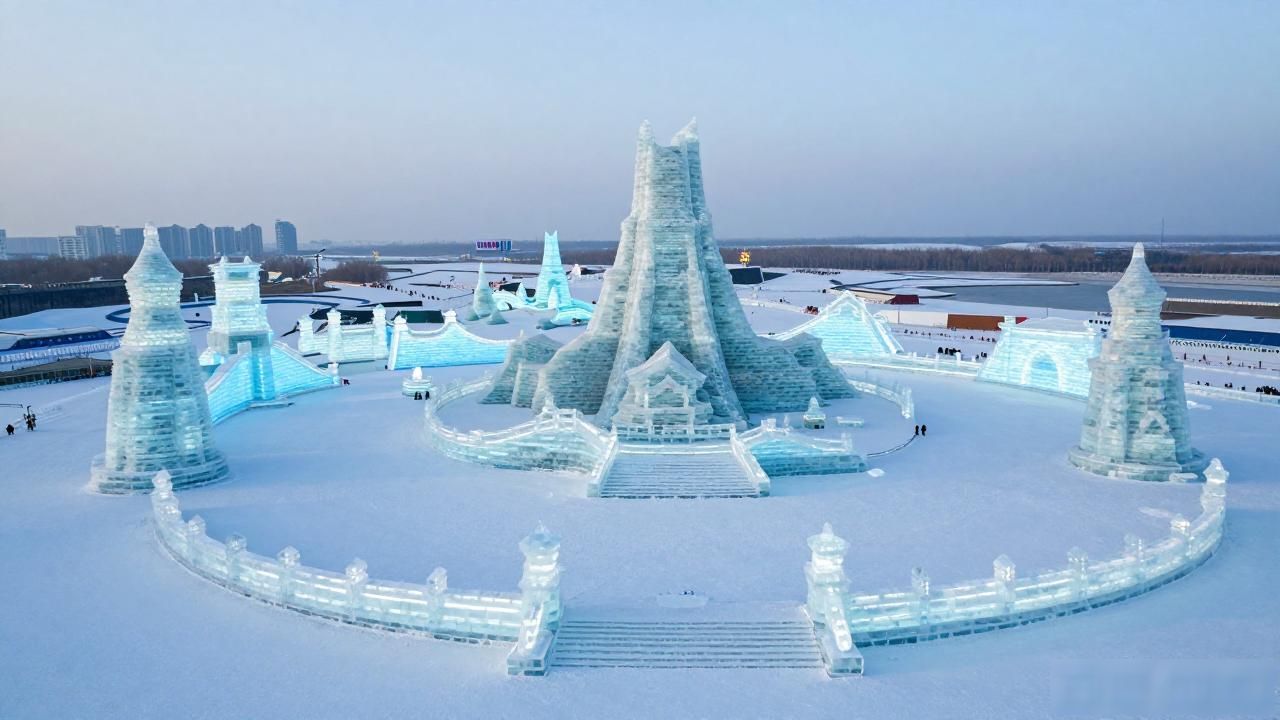
What makes Harbin fundamentally different from snowy festivals in Japan, Canada, or Scandinavia is the sheer scale and artistry on display. The Harbin Ice and Snow World alone spans over fifty thousand square meters and features ice structures built from blocks harvested directly from the nearby Songhua River. These aren’t small decorative pieces — we’re talking about castles, pagodas, and entire cityscapes carved from translucent blocks of ice, some standing more than fifty meters tall.
The architectural character of Harbin adds another layer of intrigue. Walk down Central Street and you’ll find yourself disoriented,caught between worlds. The city’s Russian and European influences from its history as a crossroads between China and the Soviet Union are visible everywhere, from onion-domed churches to grand boulevards lined with fin de siècle buildings. St. Sophia Cathedral remains one of the most iconic photo spots in the entire city.
Food is where Harbin truly surprises visitors. While the cold drives most people toward warmth, Harbin’s winter culinary scene is extraordinary. Russian-influenced restaurants serve borscht, dumplings, and grilled sausages that taste even better when consumed outdoors at minus twenty degrees. It’s a bizarre sensory experience that no cookbook can adequately describe.
Where to Go and What to See
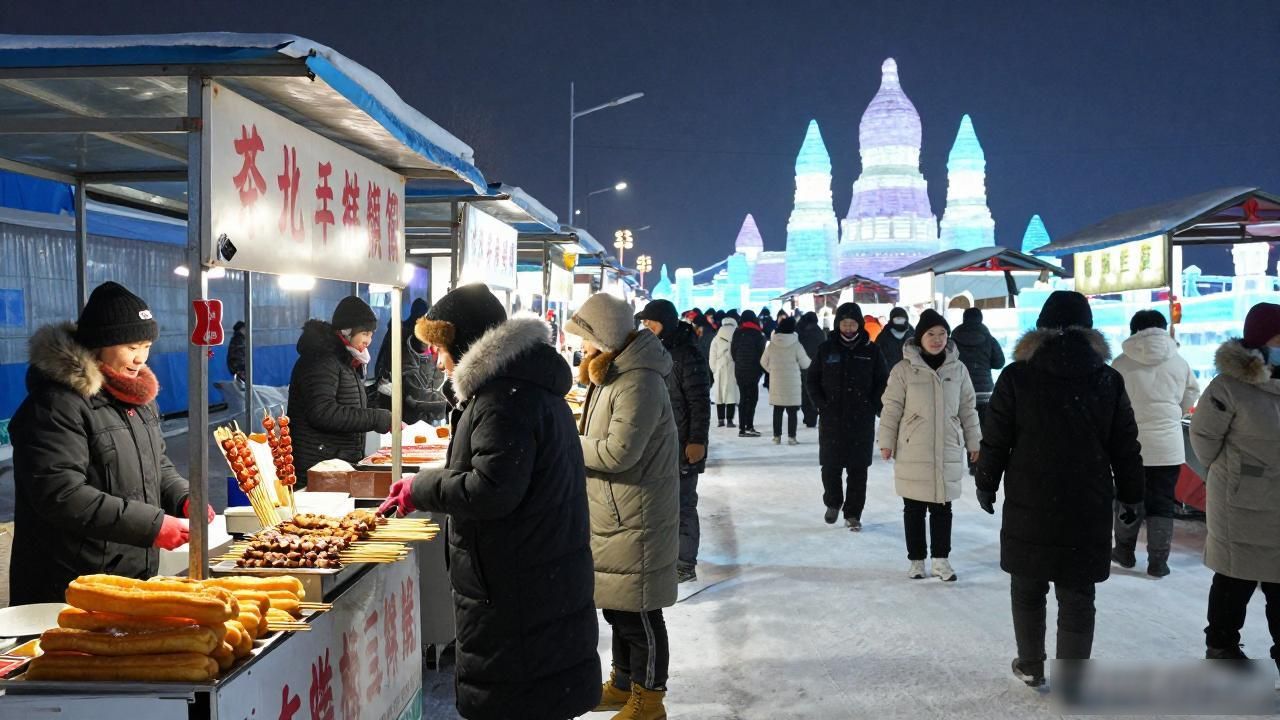
Beyond the main Ice and Snow World festival site on Sun Island, there are several areas worth exploring. The Zhalan Night Market offers street food galore — skewered lamb, fried dough sticks, and candied hawthorn on sticks, all served by vendors who seem completely unfazed by the freezing temperatures. The Siberian Tiger Park is another surprising attraction, allowing visitors to ride through enclosures where rescued tigers roam freely, giving you an intimate encounter with some of the world’s largest felines.
Transportation within Harbin is straightforward. The city has two airport terminals, with regular flights connecting to major Chinese cities and select international destinations. The metro system is modern and clean, though it won’t take you to every winter attraction. Taxis and ride-hailing apps are affordable, and during the festival season, shuttle buses run between major tourist sites.
My advice is simple: embrace the cold rather than fighting it. Harbin rewards those who step outside their comfort zones with an experience unlike anything else on Earth.