
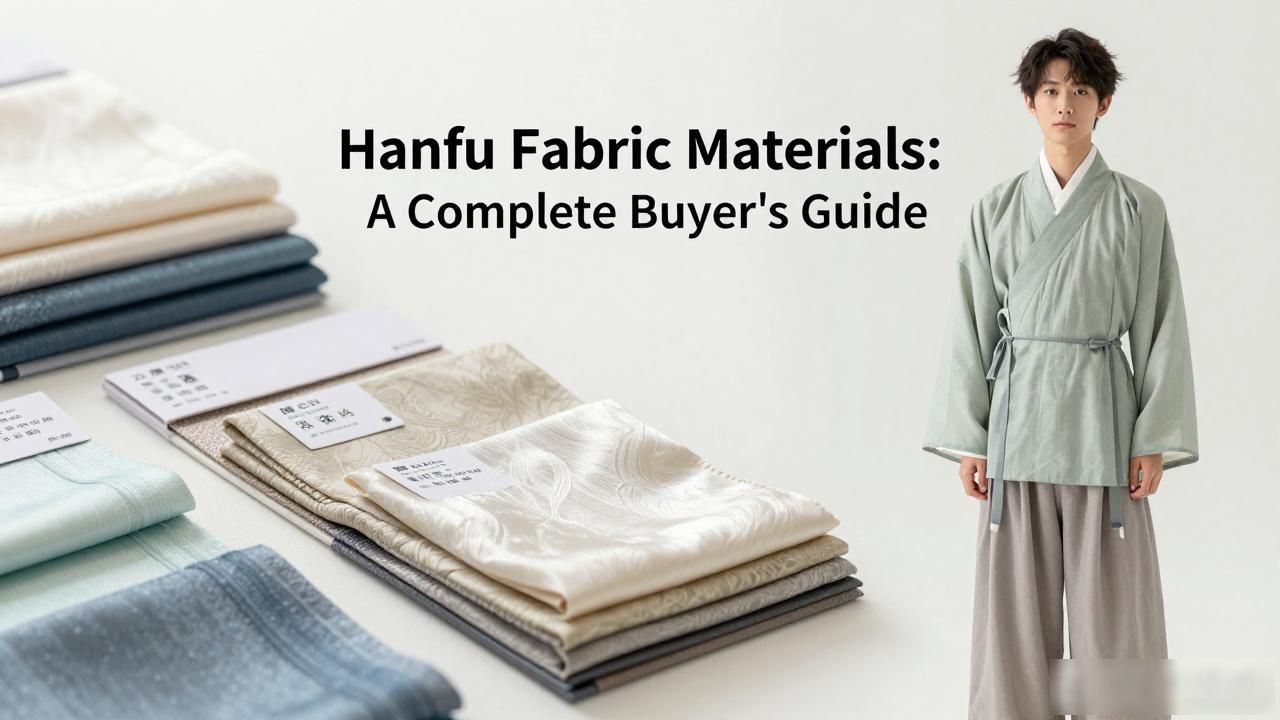
Hanfu, the traditional clothing of China, has been worn for over three millennia. At the heart of every beautiful Hanfu garment lies its fabric. Understanding Hanfu fabric materials is essential for anyone looking to wear this stunning attire with confidence and authenticity. The right material transforms a simple robe into a breathtaking experience of flow, texture, and cultural depth.
What Fabrics Are Used in Traditional Hanfu
Silk stands as the most celebrated fabric in Hanfu history. Ancient Chinese civilizations prized silk above all else, and for good reason. This luxurious material catches light beautifully and drapes elegantly across the body. Mulberry silk, the finest grade available, has been the go-to choice for centuries. Silk Hanfu feels alive on the skin, breathing naturally and adjusting to body temperature throughout the day.

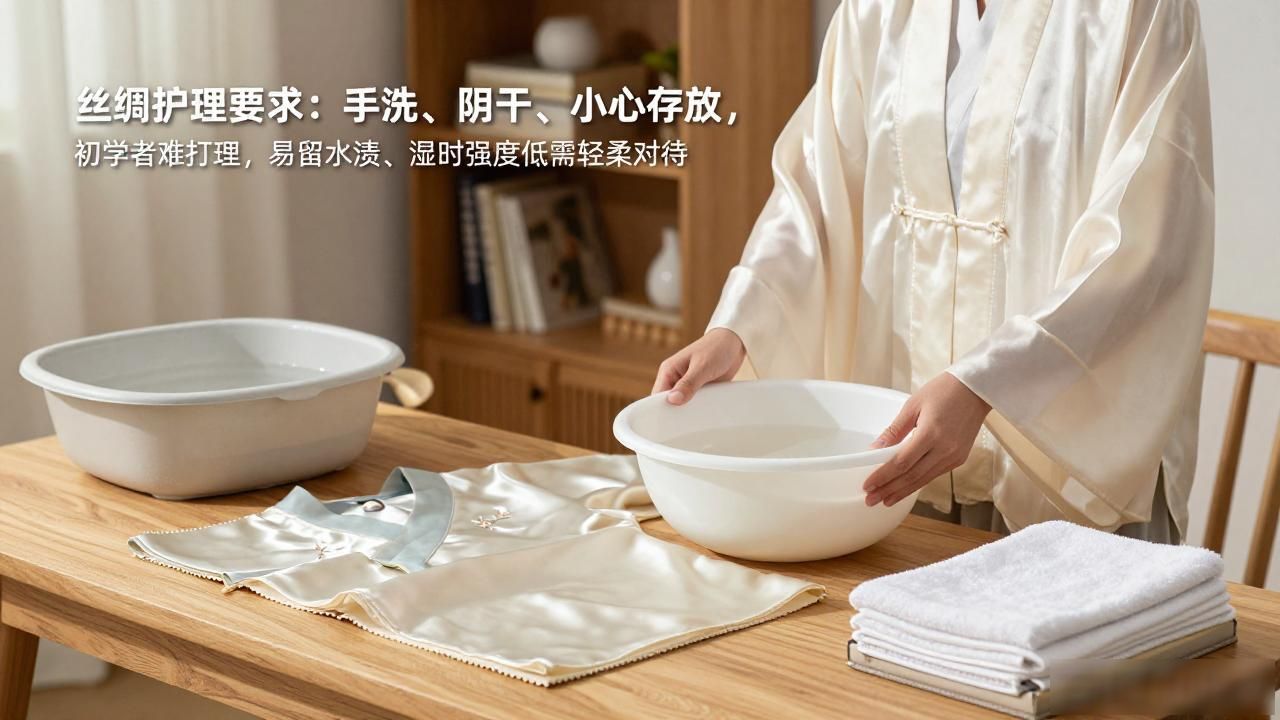
However, silk comes with demanding care requirements. It requires hand washing, shade drying, and careful storage. Many beginners find this intimidating, and honestly, it is not easy to maintain. Silk can water spot easily and loses strength when wet, so gentleness is absolutely mandatory.
Cotton and linen represent the practical side of traditional Hanfu. These breathable fabrics became popular during warmer months and among everyday people throughout history. While they may not carry the same prestige as silk, cotton Hanfu offers incredible comfort and much easier maintenance. A cotton garment can survive machine washing and regular wear without developing anxiety about every wrinkle.
How to Choose the Right Hanfu Fabric Today
Modern Hanfu makers have introduced numerous fabric options that blend tradition with practicality. Polyester blends and rayon-based materials have entered the market and changed everything for casual wearers. These modern alternatives mimic silk’s appearance while delivering durability and affordability that many buyers desperately need.
When selecting fabric, consider the season and occasion. Summer calls for lightweight chiffon, habutai, or pure linen. Winter demands heavier silks like song brocade or velvet, which provide warmth alongside beauty. A well-chosen fabric elevates your entire appearance and makes the garment feel intentional rather than costume-like.
Budget plays an unavoidable role in fabric decisions. Premium silk Hanfu typically costs significantly more than polyester versions. However, investing in quality silk often pays off, as superior fabrics age gracefully and maintain their beauty for decades. Cheap alternatives tend to pill,fade, and lose their luster much faster, leaving you frustrated and disappointed.
Fabric Care and Longevity Tips
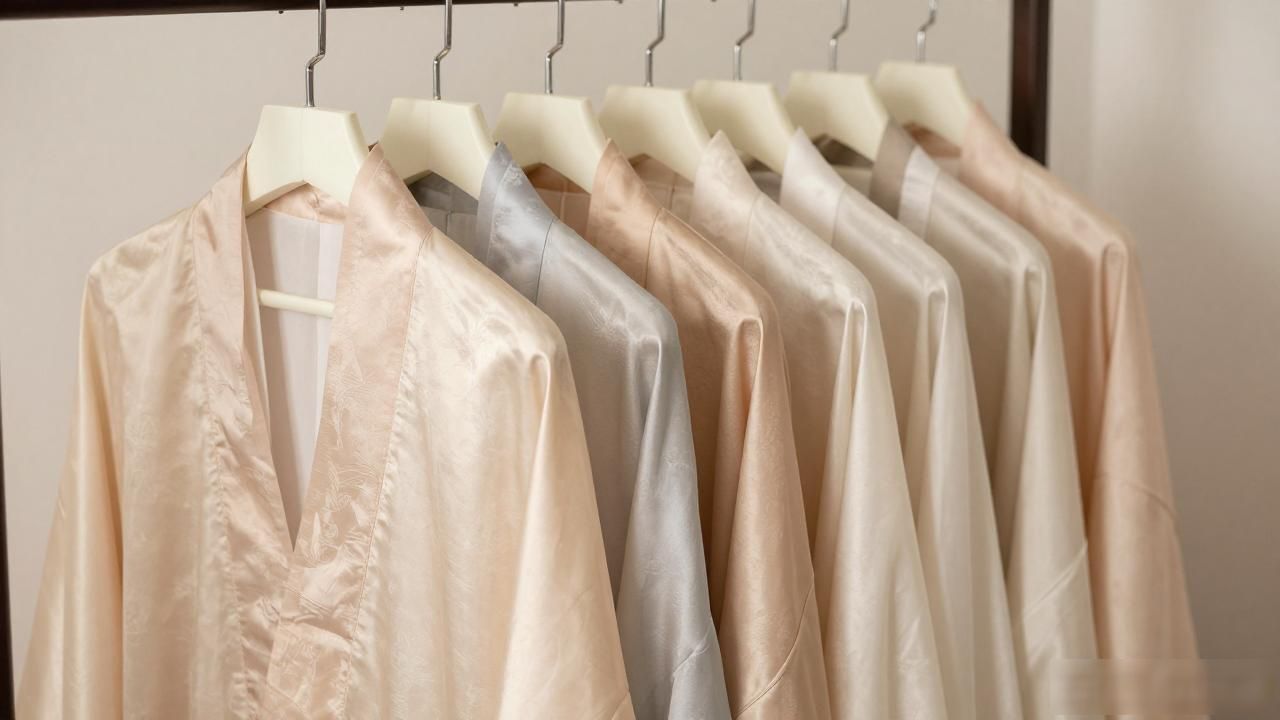
Proper maintenance extends the life of any Hanfu dramatically. Silk should always be stored on padded hangers, never folded tightly, and kept away from direct sunlight. Natural fibers respond best to gentle care routines that respect their delicate structure.
Learning to recognize fabric quality matters enormously. Hold the material up to light and check for consistent weave patterns. Genuine silk possesses a subtle sheen that shifts as you move it. Synthetic fabrics often display an unnatural, almost plastic shine that gives them away immediately.
The world of Hanfu fabric materials offers something for every personality, budget, and lifestyle. Whether you choose historic silk or modern blends, the most important factor remains your personal connection to the garment. Wear what makes you feel beautiful and respected by the tradition behind it.