

I’ve spent twenty years behind a wooden counter in Guilin’s oldest craft market, watching tourists and locals browse through shelves of local work. Guilin handicrafts are far more than cheap souvenirs; they carry centuries of Li and Zhuang skill folded into paper, stone, and lacquer. Here’s what I wish every visitor knew before reaching for their wallet.
What Guilin handicrafts can you buy

The most iconic piece is the Guilin landscape stone, those razor-thin carved slices of limestone that mirror the karst peaks along the Yulong River. A skilled artisan takes about three full days on one slab, and the relief work is so fine you can make out a single bamboo boat with its fisherman rowing into the frame. Then there’s the three-color paper, pressed from local bamboo pulp and dyed in greens and pale yellows that catch the mist off the hills at dawn.
Don’t walk past the brocade section. Zhuang women still weave these silk pieces entirely by hand, and a single square can take three to four weeks on the loom. A small pouch runs maybe forty yuan, but the geometric patterns encode stories of the weaver’s own village. These are the Guilin handicrafts I see people scrambling to buy on their last afternoon here.
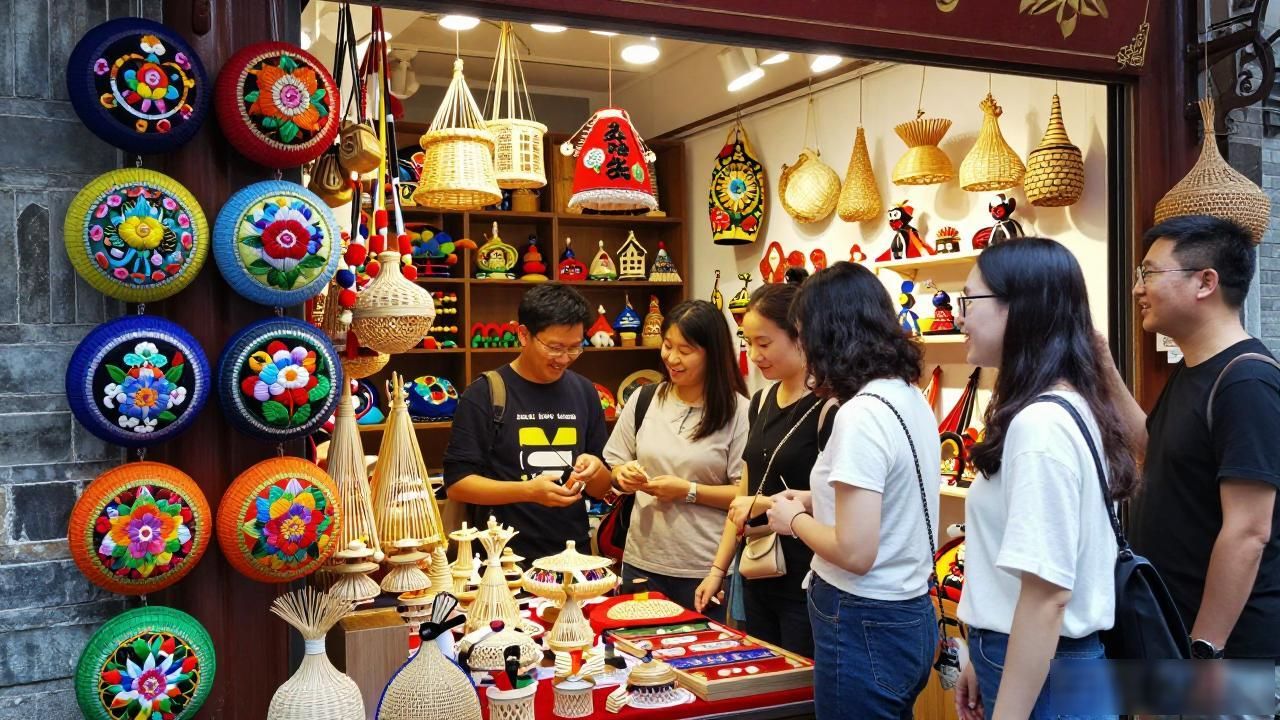
Where to find Guilin handicrafts
Most tourists rush to the Xiangshan Road market, and that’s perfectly fine for browsing. The stalls pack tight and prices drop fast once you start haggling. But the workshop-grade pieces live in quieter lanes near the West Lake district, where the carvers and weavers still keep their tools within arm’s reach and will happily sit down to show you the marks on a half-finished slab.
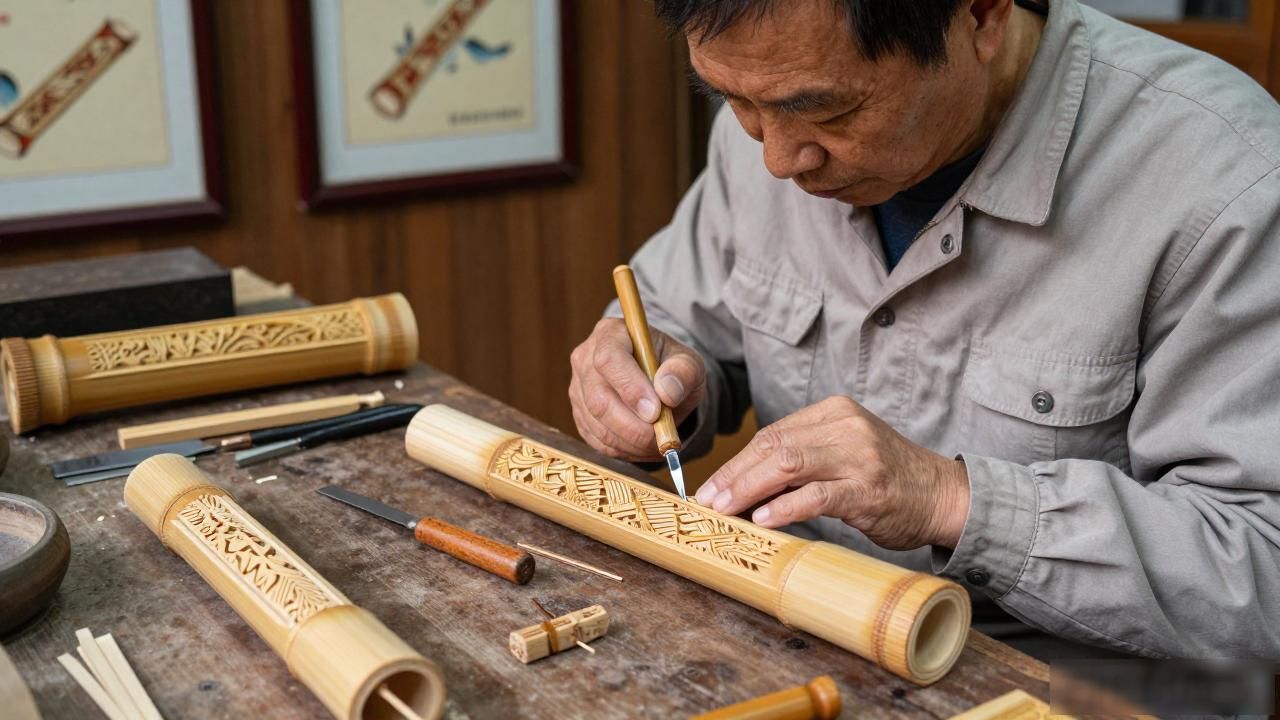
My rule is simple: ask the seller to show you where it was made. The ones who genuinely carve or weave will walk you to the bench without a word of sales talk. That’s your signal you’re holding a real piece of Guilin handicrafts, not a factory trinket with a sticker slapped on.
You don’t need to walk out with ten things. One landscape stone, one handwoven brocade square, a small set of bamboo paper fans, and you’re set. Those pieces will outlast the trip and still carry that particular smell of wet bamboo, river water, and mountain air that only this valley gives you.