
I’ve spent nearly a decade wandering through Guangzhou, and this city never stops surprising me. It’s a place where ancient temples sit beside skyscrapers, where dim sum culture runs deeper than any coffee tradition, and where foreign visitors often find themselves completely lost in the best possible way. Guangzhou tourism offers something different from the typical Chinese city experience.
What makes Guangzhou unique for foreign tourists
Guangzhou is China’s southern gateway, a city that has welcomed traders from every corner of the world for over two thousand years. Walking through the old districts, you can feel this history in every street corner. The Beijing Road Pedestrian Street still has preserved ancient road layers dating back to the Song Dynasty, literally under your feet as you shop and eat.

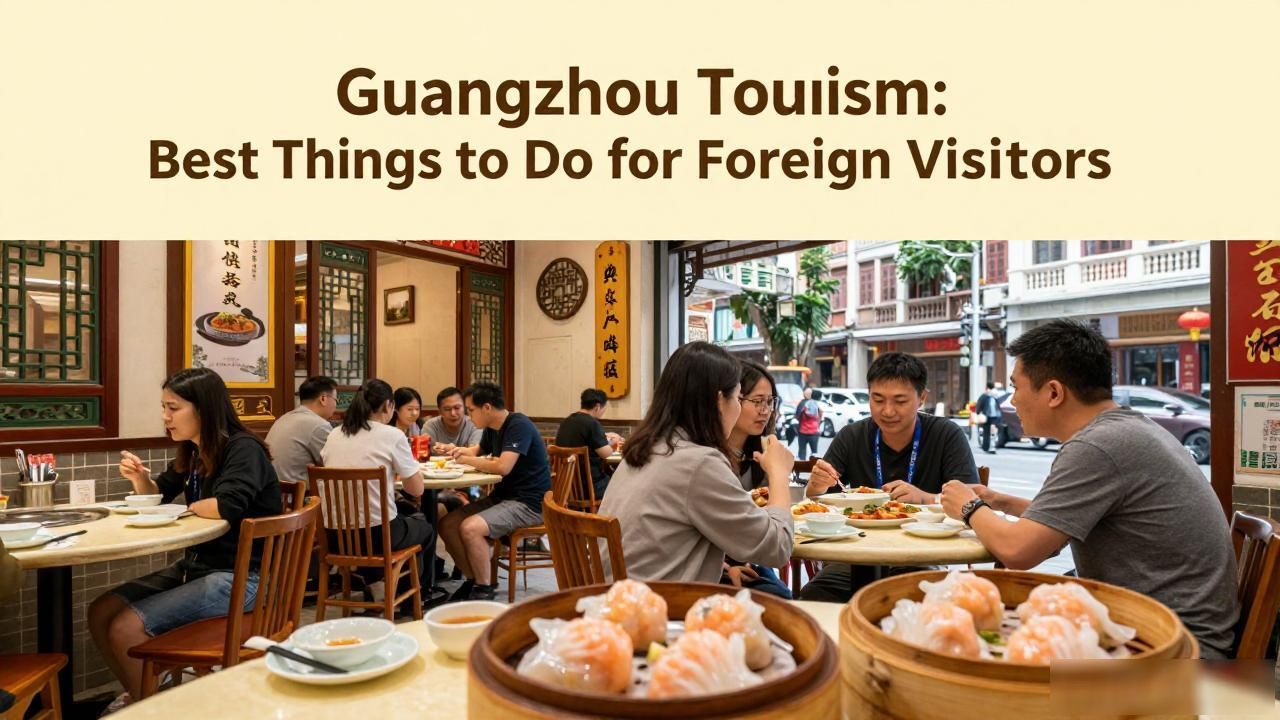
The food scene alone is worth a dedicated trip. Unlike Beijing or Shanghai, Guangzhou’s culinary culture is accessible and unpretentious. Street-side dim sum restaurants welcome foreigners without hesitation, and the locals are genuinely curious rather than judgmental. Try the har gow at a morning teahouse near Yuexiu Park, and you’ll understand why Cantonese cuisine holds such prestige globally.
The climate is another factor that sets Guangzhou apart. Hot and humid for most of the year, but this creates lush green spaces everywhere. Baiyun Mountain rises right within city limits, offering hiking trails with panoramic views that rival any nature destination.
Best neighborhoods to explore in Guangzhou
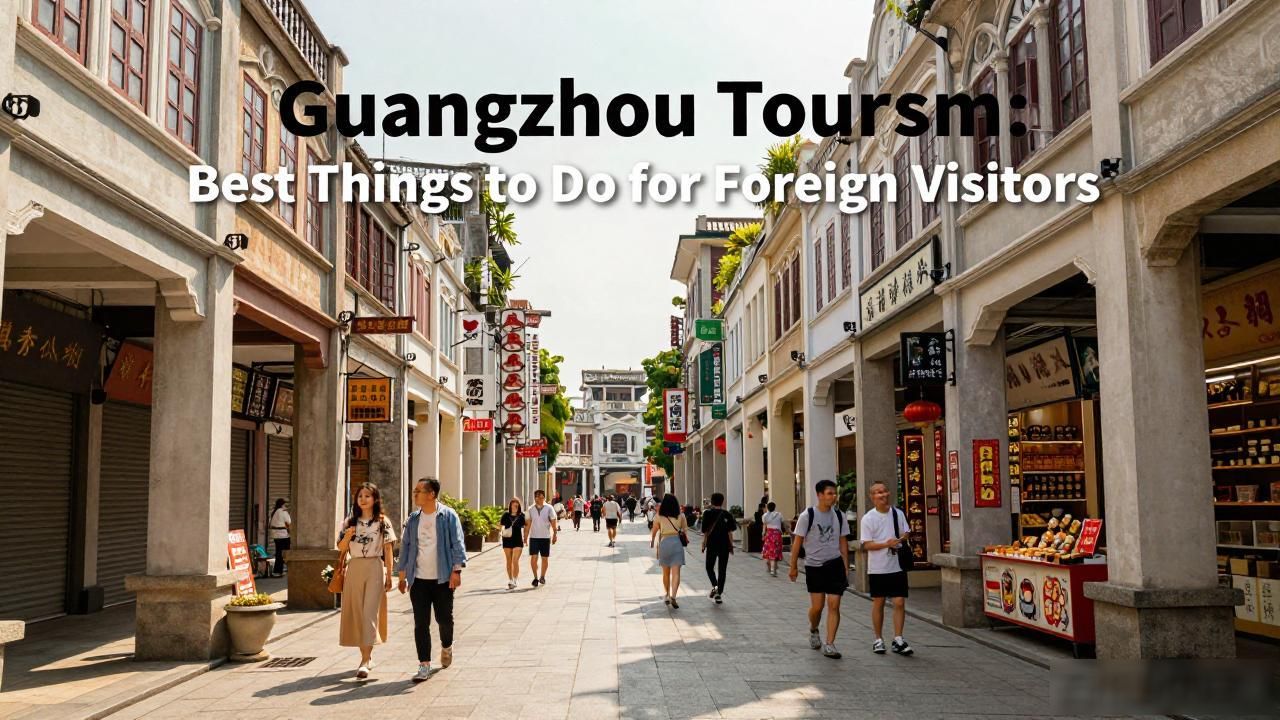
Xiguan district remains the heart of old Guangzhou. The Qilou buildings here, with their distinctive arcades, tell stories of a time when Guangzhou was China’s only open port to the West. These shaded walkways were designed for exactly this climate, allowing shoppers to stay cool while browsing. Today, they house everything from tea shops to vintage stores.
Tianhe District represents the modern face of Guangzhou. The Zhujiang New Town area features some of China’s most impressive architecture, including the Guangzhou Opera House designed by Zaha Hadid. At night, the skyline along the Pearl River becomes one of the most photographed scenes in all of southern China.
Don’t skip the Shamian Island if you have time. This former French and British concession feels like stepping into another century. The colonial-era buildings now house cafes and boutique hotels, making it a peaceful retreat from the bustling city around it.
Practical tips for your Guangzhou trip
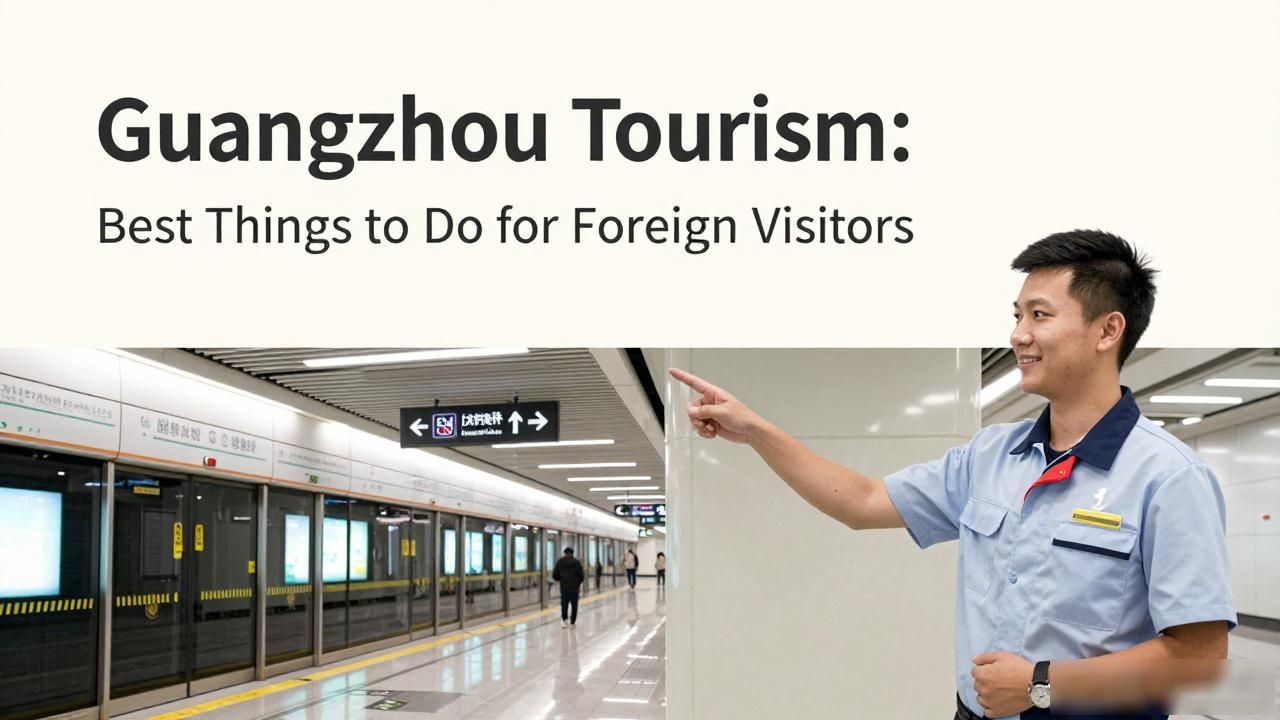
Getting around Guangzhou is remarkably easy for foreigners. The metro system is clean, efficient, and has English signage throughout. A rechargeable transit card makes daily travel hassle-free, and most stations have staff who can point you in the right direction even with limited English.
Cash is becoming less essential,but carrying some yuan still helps. WeChat Pay and Alipay dominate transactions now, and setting these up before arrival saves considerable frustration. Many smaller vendors still prefer cash, so keep some notes handy.
The best time to visit falls between October and December when temperatures are pleasant and rainfall decreases. Spring brings humidity early, and summer can feel oppressive with temperatures regularly exceeding thirty-five degrees Celsius.