
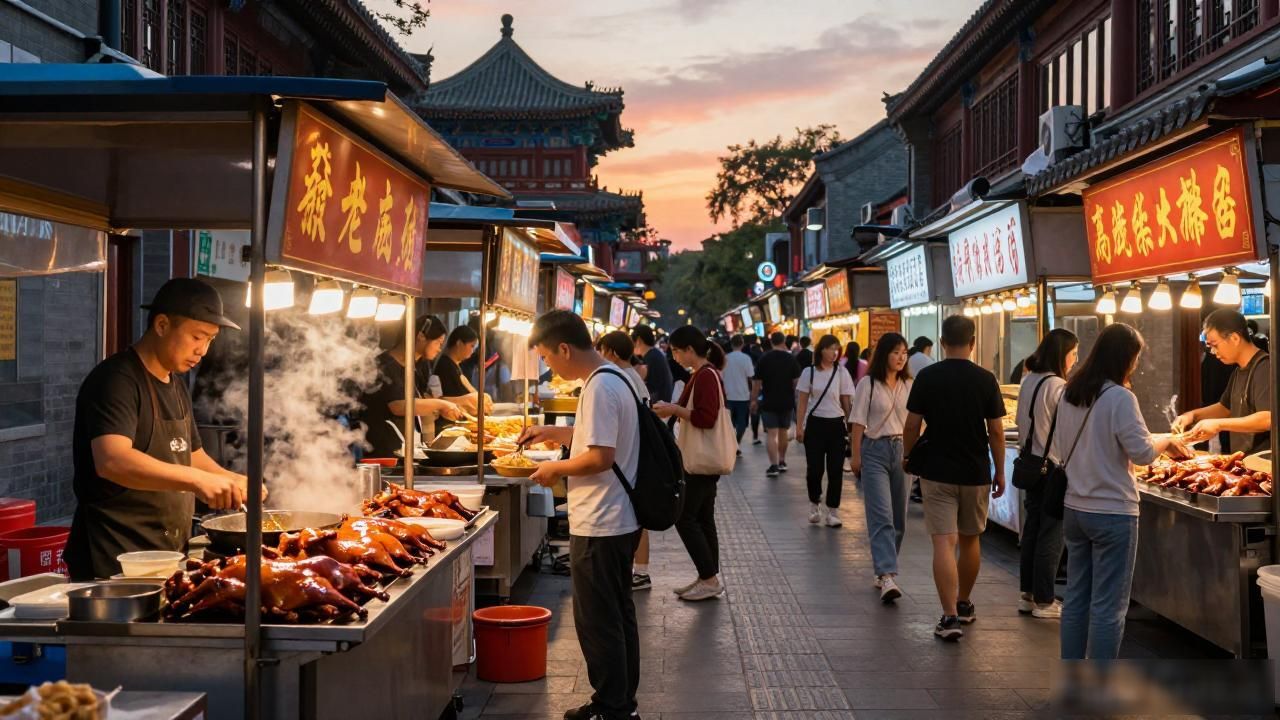
A city tastes better on foot. Guangzhou has earned its reputation as one of China’s most food-loving metropolises, and for good reason. From early morning tea houses to midnight snack stalls, the city offers a culinary journey that runs deeper than any restaurant guide can capture. The secret to experiencing Guangzhou lies in leaving the tourist tracks and following your nose through its narrow alleys. This article shares what I learned after spending weeks exploring the city’s food scene, hoping to help visitors make the most of every meal.
Where to Find the Best Dim Sum Experience
Dim sum isn’t just breakfast in Guangzhou, it is a way of life. The old tea houses along Xiguan district serve the most authentic experience, with wooden trolleys pushed through crowded rooms. Ordering from rolling carts full of steaming bamboo baskets is the traditional way, and locals treat it with deep respect. Try the har gow, shrimp dumplings so delicate the skin nearly transparent. The siu mai sits beside them, plump and golden. A cup of pu’er tea washes everything down perfectly.
Morning light filters through paper lanterns as families gather across multiple generations. Elderly men read newspapers while waiting for their favorite congee. Staff call out orders in rapid-fire Cantonese, a language that rolls off the tongue like music. This is what makes Guangzhou’s dim sum culture unique, no two visits feel exactly alike.
Street-side snack stalls begin appearing by dawn near the traditional neighborhoods. One elderly woman has been frying youtiao at the same corner stall for thirty years. Her crispy fried dough sticks are legendary among neighborhood residents. Nearby, a small shop sells claypot rice so fragrant that people stop their bicycles just to catch a whiff.
What Street Food Should You Try at Night

Walking through Beijing Road pedestrian street after sunset transforms the whole city. Food stalls line the sidewalks, each one competing for attention with sizzling woks and mouth-watering aromas. The roast goose here is something every visitor must experience at least once. Shiny, crackling skin gives way to tender meat infused with five-spice goodness. Locals queue patiently, knowing the wait is worth it.
A young couple runs a small congee counter where customers sit on plastic stools around low tables. Pork liver congee comes steaming in ceramic bowls, topped with fried garlic and spring onions. The texture is impossibly smooth, almost silky. Next door, a grandfather prepares char siu bao, those fluffy steamed buns filled with sweet barbequed pork. His hands move with practiced speed, folding each bun into perfect pleats before sending it into the bamboo steamer.
Dessert stalls sell various sweet soups in small ceramic bowls. Mung bean soup cools the body during humid summer nights. Taro paste offers a rich, earthy sweetness that pairs beautifully with glutinous rice balls. The best part is eating outdoors,surrounded by locals enjoying their evening meal. You become part of the rhythm rather than an observer.
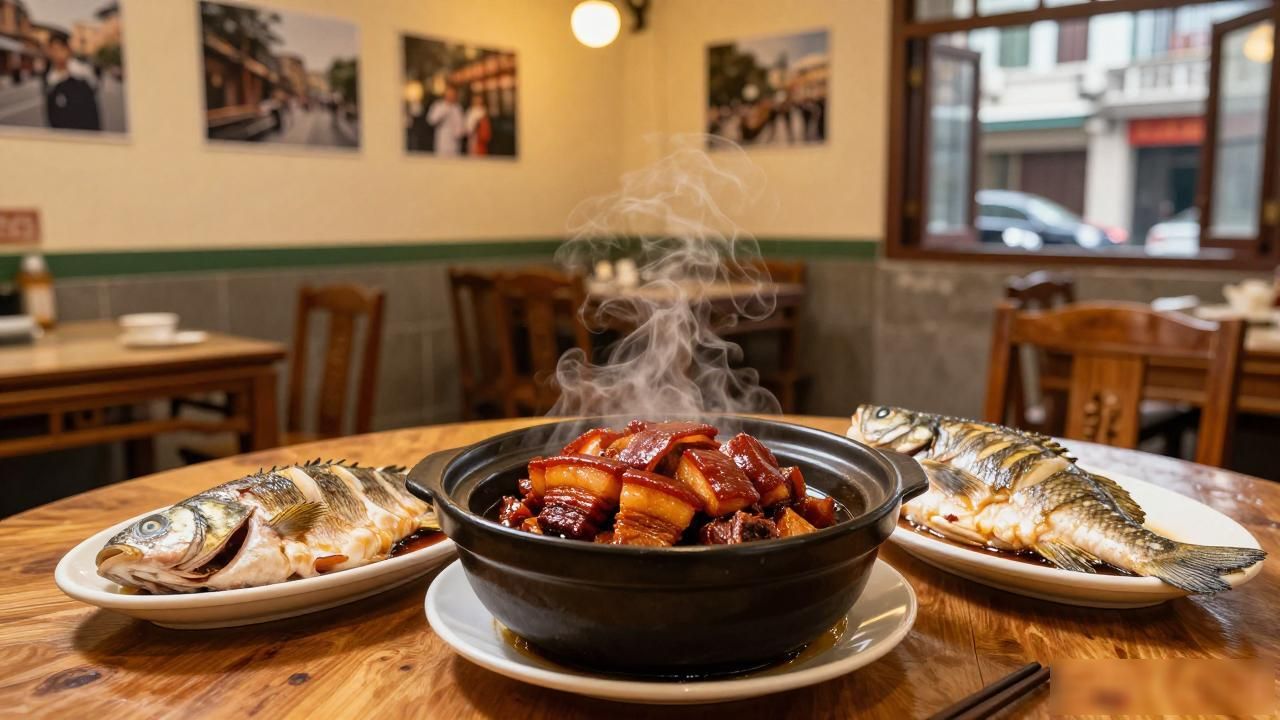
Cantonese cuisine extends far beyond what appears on hotel menus. A small restaurant near Shamian Island serves dishes that have been family recipes for generations. Braised pork belly melts on the tongue after hours of slow cooking in dark soy sauce and rock sugar. Steamed whole fish arrives with ginger threads arranged decoratively, the flesh so fresh it barely needs seasoning.
Every visit to Guangzhou reveals new flavors hiding behind unassuming facades. The city rewards curiosity and patience. A worn signboard in faded red characters often marks the entrance to something extraordinary. Locals warm up quickly when you make an effort to order in broken Cantonese, even simple phrases like thank you go a long way.
Guangzhou feeds the soul as much as the stomach. Walk slowly. Eat often. Let the city surprise you.